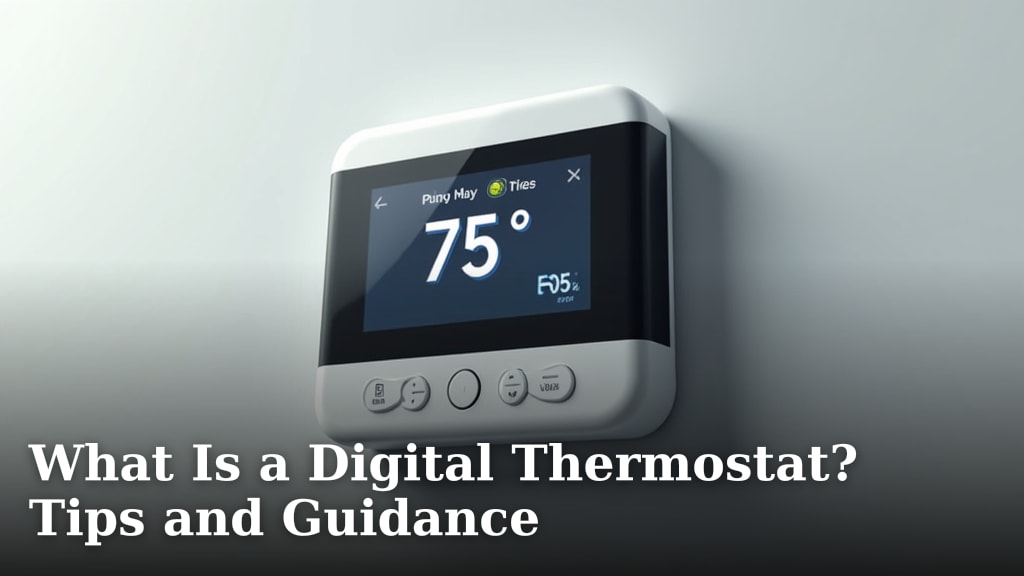
What Is a Digital Thermostat? Tips and Guidance
A digital thermostat is a home device that uses electronic circuits to control your heating and cooling system. Unlike older manual thermostats, they offer precise temperature readings and advanced features for comfort and energy savings. You can usually program them to adjust temperatures automatically throughout the day.
These modern thermostats provide a more accurate way to manage your home’s climate. They can help you save money on energy bills by avoiding unnecessary heating or cooling. Many models also come with smart capabilities, letting you control your home’s temperature from your phone. We found that understanding these features is key to maximizing their benefits.
- Digital thermostats use electronics for precise temperature control.
- They offer programming for automatic temperature adjustments.
- Many models can help save energy and reduce utility bills.
- Smart features allow remote control via smartphone apps. Smart features allow remote control via smartphone apps; learn more about smart thermostat options.
Ready to learn more about how a digital thermostat can improve your home comfort and efficiency? We’ve gathered the essential tips and guidance you need.
“`htmlUnderstanding Your Digital Thermostat
A digital thermostat is a pretty smart device for your home. It uses electronic components to keep your heating and cooling running smoothly. Think of it as the brain of your HVAC system. It reads the room temperature and tells your furnace or air conditioner what to do. This is a big step up from those old mercury or dial thermostats. Those just gave a rough idea of the temperature. Digital ones give you a precise reading, right down to the degree. We found this accuracy makes a real difference in comfort.
How Does It Work?
Inside a digital thermostat, there’s a temperature sensor. This sensor is like a tiny thermometer. It constantly checks the air temperature in the room. Then, a small computer chip processes this information. It compares the actual temperature to the one you’ve set. If they don’t match, it sends a signal. This signal tells your heating or cooling system to turn on or off. It’s a simple but effective system. Many experts say this direct control is why they are so much more efficient. They don’t guess; they know. We found this control is key to saving energy.
Key Components You Should Know
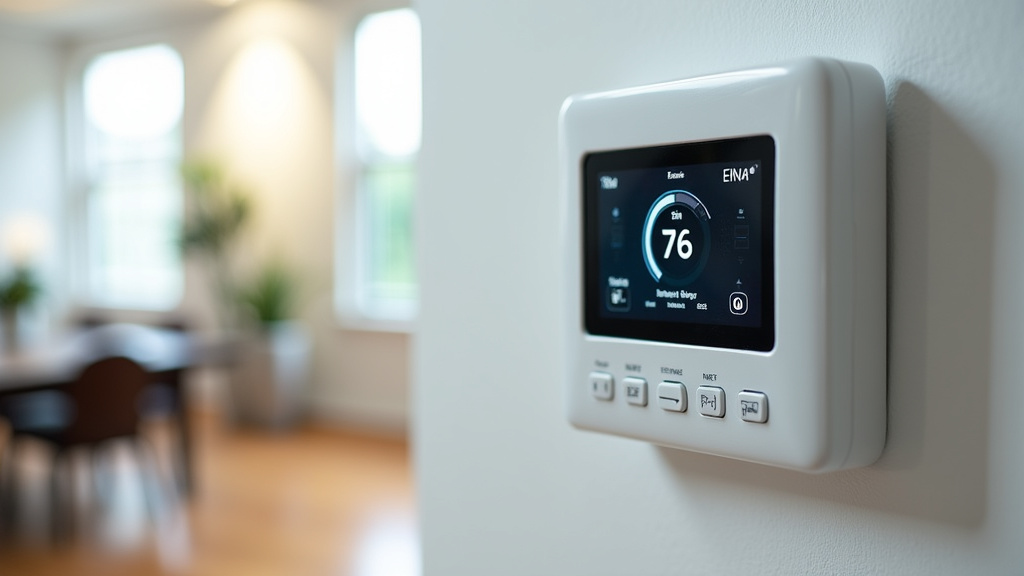
- Display Screen: This is where you see the current temperature and your set temperature. Most are LCD or LED screens.
- Buttons or Touchscreen: You use these to adjust settings and program schedules.
- Temperature Sensor: This is the part that actually measures the room air.
- Circuit Board: This is the “brain” that processes information and sends commands.
- Wiring: Connects the thermostat to your HVAC system.
Benefits of Going Digital
Switching to a digital thermostat can bring some real advantages to your home. We’ve seen that the biggest wins are usually around comfort and cost savings. Because they are more precise, they can maintain a more consistent temperature. This means fewer hot or cold spots in your house. Plus, they can help you avoid wasting energy. Wasting energy means wasting money on your utility bills. It’s a win-win situation, really.
Enhanced Comfort for Your Home
Imagine coming home to a perfectly comfortable house every single day. Digital thermostats make this possible. Their accuracy means your system won’t constantly cycle on and off. This leads to fewer drastic temperature swings. You’ll feel a more stable, pleasant environment. We found that households often report feeling more comfortable overall. This consistent temperature control is a major upgrade. It’s like having a personal climate assistant.
Saving Money on Energy Bills
This is often the main reason people upgrade. Digital thermostats can lead to noticeable savings. How? By letting you program temperature adjustments. You can set it to lower the heat or raise the AC when you’re away or asleep. Then, it can warm up or cool down the house before you return or wake up. This avoids heating or cooling an empty house. Many studies show that programmable thermostats can save you between 10% and 30% on heating and cooling costs annually (U.S. Department of Energy). That’s money back in your pocket. We found these savings can add up quickly.
Types of Digital Thermostats
Not all digital thermostats are created equal. There are a few main types you’ll encounter. Understanding these will help you choose the best one for your needs and budget. We looked at the most common options available for homeowners today.
Non-Programmable Digital Thermostats
These are the most basic digital models. They still offer accurate temperature readings and a digital display. However, they don’t have a programming feature. You manually adjust the temperature whenever you need to. They are generally less expensive than programmable models. If you’re just looking for a more accurate display than an old dial thermostat, this is a good option. They’re simple to use and understand. We found they’re a solid upgrade for many homes.
Programmable Digital Thermostats
These are the workhorses for energy savings. You can set a schedule for different times and days. For example, you can set a lower temperature at night and when you’re at work. Then, program it to warm up before you wake up. Many offer 5-2 day programming (weekdays and weekends) or even 7-day options. This flexibility is where the real energy savings come in. We found that setting up a schedule can take a little effort, but it pays off.
Smart Digital Thermostats
These are the high-tech stars of the thermostat world. Smart thermostats connect to your home’s Wi-Fi network. This lets you control them remotely using a smartphone app. You can adjust the temperature from anywhere. Did you forget to turn down the heat before leaving for vacation? No problem. You can do it from the airport. Many also learn your habits and adjust automatically. Some can even detect if you’re home or away. We found these offer the most convenience and potential savings. They often come with features like energy reports and geofencing.
Choosing the Right Digital Thermostat for You
With all these options, how do you pick the best one? It really depends on your lifestyle and priorities. Think about what matters most to you. Is it ease of use? Maximum energy savings? Remote control? We’ve put together some questions to help guide your decision.
Consider Your Lifestyle and Habits
Do you have a consistent daily schedule? Or is your routine more unpredictable? If your schedule is steady, a programmable thermostat is likely a great fit. You can set it and forget it. If your schedule changes often, a smart thermostat might be better. Its remote control and learning capabilities can adapt more easily. We found that matching the thermostat to your routine is key to maximizing its benefits.
Ease of Use and Installation
Some digital thermostats are incredibly user-friendly. Others have more complex menus and features. If you’re not very tech-savvy, look for models with a simple interface. Many smart thermostats are designed for easy DIY installation. However, if you’re not comfortable with wiring, you might want to hire a professional. We found that checking reviews for ease of setup can be very helpful.
Compatibility with Your HVAC System
This is super important! Not all thermostats work with all heating and cooling systems. Most digital thermostats work with standard forced-air systems (furnaces and air conditioners). But if you have a heat pump, geothermal system, or multi-stage system, you need to be more careful. Always check the thermostat’s compatibility list before buying. Some manufacturers offer compatibility checkers on their websites. We found that ensuring compatibility upfront saves a lot of headaches later.
Getting the Most Out of Your Digital Thermostat
Once you have your new digital thermostat installed, you’ll want to make sure you’re using it effectively. It’s not just about setting it and forgetting it, especially with programmable and smart models. A little attention can go a long way in optimizing comfort and savings.
Create an Effective Schedule (for Programmable Models)
Take some time to really think about your daily routine. When are you typically home? When are you usually out? When do you sleep? Set your thermostat to save energy when you don’t need full comfort. For example, during winter, you might set it lower when you’re asleep or at work. In summer, you’d raise the temperature. Many experts suggest lowering the temperature by 7-10 degrees Fahrenheit for 8 hours a day. This can save up to 10% a year on energy bills (ENERGY STAR). We found that tweaking the schedule over time helps find the perfect balance.
Utilize Smart Features (for Smart Models)
If you have a smart thermostat, dive into its app. Explore all the settings. Set up geofencing if available, which uses your phone’s location to adjust the temperature. Check your energy usage reports. Many apps provide tips on how to save more. Don’t be afraid to experiment. You can usually reset things if you don’t like the results. We found that actively using the app leads to greater savings and more convenience.
A Quick Checklist for Maximizing Savings
- Program your thermostat for when you’re away or asleep.
- Adjust your schedule seasonally for winter and summer needs.
- Use the remote control feature to make quick changes.
- Review energy reports to identify savings opportunities.
- Ensure your thermostat is set to the correct system type (heat, cool, heat pump).
- Consider lowering the temperature slightly in winter and raising it in summer.
Conclusion
You’ve learned that a digital thermostat is more than just a temperature display. It’s a tool for better home comfort and energy savings. By understanding how they work and the different types available, you can make a smart choice for your home. Whether you choose a simple programmable model or a feature-rich smart thermostat, the benefits are clear. Start by assessing your daily routine and comfort needs. Then, select the thermostat that best fits your lifestyle. Taking this step can lead to a more comfortable home and lower utility bills.
Frequently Asked Questions
How do I know if my current thermostat needs replacing?
If your old thermostat is inaccurate, struggles to maintain a set temperature, or has a cracked/faded display, it’s likely time for an upgrade. Also, consider replacing it if you’re not seeing the energy savings you expect. Digital thermostats offer much more precise control and efficiency.
Can I install a digital thermostat myself?
Many digital and smart thermostats are designed for DIY installation. However, it requires basic knowledge of electrical wiring. If you’re not comfortable with this, or if you have a complex HVAC system, it’s best to hire a qualified professional. Always check the manufacturer’s instructions and compatibility first.
How much energy can a digital thermostat really save me?
Programmable and smart thermostats can help you save between 10% and 30% on your annual heating and cooling costs. This is achieved by automatically adjusting temperatures when you’re away or asleep. The actual savings depend on your home’s insulation, climate, and how effectively you use the programming features.
What is geofencing on a smart thermostat?
Geofencing uses your smartphone’s location to automatically adjust your home’s temperature. When you leave a certain radius around your home, it can switch to an energy-saving mode. When you get close to home, it can start warming or cooling your house to your preferred temperature.
Are smart thermostats worth the extra cost over programmable ones?
If convenience and advanced features like remote control and learning capabilities appeal to you, then yes. Smart thermostats offer the most flexibility and potential for savings, especially if your schedule varies. For those with consistent routines, a well-programmed thermostat might offer similar savings with less upfront cost.