How to Choose a Smart Thermostat for an RV
Choose a smart thermostat for an RV only after confirming the system voltage, equipment controls, wiring, and internet access. Many home smart thermostats need power and HVAC connections that an RV may not have.
On this page (8 sections)
- What should you check before choosing a smart thermostat for an RV?
- How does RV voltage affect thermostat choice?
- What RV equipment does the thermostat need to control?
- Does the number of wires tell you what will fit?
- Will Wi-Fi thermostat features work where you travel?
- Which thermostat options could suit an RV setup?
- When is a standard thermostat a better RV choice?
- How do you choose the right thermostat for your RV?
A smart thermostat for an RV must match the RV’s voltage, heating and cooling equipment, wiring, and power supply. A thermostat that works with a home furnace may not work with an RV furnace or rooftop air conditioner.
Start by identifying what the existing thermostat controls and how it is wired. Then decide whether Wi-Fi control is practical where you park, since remote features depend on a working network.
What should you check before choosing a smart thermostat for an RV?
Check voltage and equipment compatibility first, then confirm wiring, power, and connectivity. These details determine whether a smart control can operate the system safely and usefully.
Write down the thermostat model, its wire labels, and the equipment it controls. The RV or HVAC manual may include a wiring diagram; if it doesn't, ask the equipment maker or a qualified RV technician to identify the circuit.
| Check | What to confirm |
|---|---|
| Voltage | The thermostat supports the circuit voltage used by the RV system |
| Equipment | The control supports the furnace, air conditioner, heat pump, or other equipment connected to it |
| Wiring | Terminal labels and functions match the thermostat requirements |
| Power | The RV has the power source the thermostat needs, including any common-wire requirement |
| Network | Wi-Fi reaches the thermostat and supports the features you want |
Don't use wire color or wire count as proof of compatibility. If you need help understanding home thermostat terminals, see what wires a smart thermostat needs, then compare those requirements with your RV's diagram.
How does RV voltage affect thermostat choice?
The thermostat must be rated for the voltage and switching method in the RV control circuit. A home thermostat's familiar appearance doesn't mean its electrical requirements match an RV's.
Check the thermostat's manual and the wiring diagram for the equipment it will control. Confirm which wires provide power and which call for heating or cooling, and don't connect a thermostat based on a guess.
Some RV systems run on 12-volt power, while many residential thermostats are designed for different low-voltage controls. The exact setup depends on the equipment, so verify the circuit rather than relying on a general rule about RVs.
The White-Rodgers Emerson M30 is described as a 24V heat-only thermostat. That makes its voltage a specific compatibility point to check against your RV system before considering it.
If the voltage or wire function is unclear, stop before connecting a replacement. A qualified RV technician can identify the circuit and help avoid damage to the thermostat or equipment.
What RV equipment does the thermostat need to control?
Choose a thermostat that supports each function you expect it to control. An RV may have a furnace, rooftop air conditioner, heat pump, or separate controls for different equipment.
A heat-only thermostat cannot control cooling. A thermostat built for a residential furnace may also lack the switching or control functions an RV air conditioner requires.
Check the equipment manuals and note how the current thermostat handles each mode. Some systems combine controls at the wall; others use separate switches or controls, so compare the actual setup with the replacement's supported functions.
For a broader compatibility checklist, see what HVAC systems work with smart thermostats. RV equipment can differ from the home systems covered by many smart thermostat guides, so use the equipment maker's documentation for the final match.
If your RV has a furnace only, compare it with a heat-only thermostat for an RV furnace. A heat-only model may simplify the choice when you need only furnace control, but it does not add smart features unless the model specifically supports them.
Does the number of wires tell you what will fit?
Wire count is a useful clue, not a compatibility guarantee. Two systems can have the same number of wires while assigning them different jobs.
Photograph the existing connections before removing the thermostat, and write down the terminal labels. Compare those functions with the replacement manual; don't connect wires by color alone.
A three-wire RV setup deserves a close look because terminals may control more than a simple heating call. Our guide to a 3-wire RV thermostat explains what to check before choosing a replacement.
A smart thermostat may also need a common wire or another power source for its display and Wi-Fi features. If the RV wiring doesn't provide the required power, check whether the thermostat maker supports an approved adapter for that exact system.
Will Wi-Fi thermostat features work where you travel?
Wi-Fi control works only when the thermostat can reach a compatible network. Campground Wi-Fi may not reach the thermostat reliably, and a moving RV won't have the same network everywhere.
Consider where the RV usually stays. If it is parked near a home router, remote control may be practical; if it moves often, check whether the thermostat still works locally when the network is unavailable.
Before buying, look for answers to these questions in the thermostat manual:
- Does basic temperature control work without internet?
- Does the app require internet for setup or schedules?
- Can the thermostat connect to a phone hotspot?
- Does it support the Wi-Fi band and security settings available at your RV?
- Can you control it at the wall if the app or network is unavailable?
Don't count on remote access unless you'll have a dependable network at the RV. If local operation matters most, a digital thermostat may offer a simpler fit; compare options in our best digital thermostats for RVs guide.
Which thermostat options could suit an RV setup?
Start with the control type and circuit you have, then compare products with matching voltage and equipment support. These examples are heat-only or non-programmable models, so they are alternatives to consider when a smart thermostat doesn't fit the RV system.
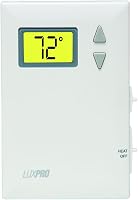
The LUX PSD010B is designed for heat-only systems and runs on batteries. Its 2-wire description can help you shortlist it for a simple heating setup, but it doesn't confirm compatibility with a particular RV furnace or voltage.
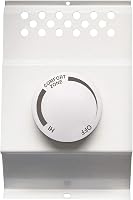
The Suburban 161154 is a heat-only wall thermostat. Confirm its wiring and electrical requirements with your furnace documentation before replacing an existing control.
These products are not presented as Wi-Fi smart thermostats. The available product details do not mean they provide app control, RV-wide compatibility, or remote operation, so use them only as options to check against the equipment you have.
For a home heat-only system, the LUX PSD010B and Emerson M30 may also appear relevant, but their stated use does not mean they suit an RV. Review thermostats for electric baseboard heaters only if you have that type of heater, and compare battery-powered thermostats if battery operation is a priority.
When is a standard thermostat a better RV choice?
A standard thermostat can be the better choice when the RV system doesn't support a smart model or reliable Wi-Fi isn't available. Simple wall control may cover your needs with fewer power and network requirements.
Choose a digital thermostat if you want a readable display and straightforward local control. A heat-only option may fit a furnace-only setup, provided its voltage and wiring match.
The best control is the one that operates the equipment your RV actually has. Don't choose a smart model for app features until you have confirmed that it fits the circuit and can connect where you park.
How do you choose the right thermostat for your RV?
Choose a smart thermostat only when its voltage, equipment support, wiring, power needs, and network requirements all match your RV. If any one of those details is uncertain, get the equipment maker's guidance before installation.
Pick Wi-Fi control if the RV has dependable internet and you want remote access. Pick a compatible digital or heat-only control if local operation matters more; our best digital thermostat for home guide is for residential systems and may not match RV wiring.
Check the RV furnace or air conditioner manual, then compare the thermostat terminals and power requirements line by line. That compatibility check is the deciding step for choosing a smart thermostat for an RV.
Frequently asked questions
Can I use a smart thermostat in an RV?
You can use a smart thermostat in an RV only if it supports the RV's voltage, heating or cooling equipment, wiring, and power needs. Check the thermostat and equipment manuals, then compare every terminal and control function.
Wi-Fi features also need a usable internet connection at the RV.
Do RV thermostats use 12 volts?
Some RV control systems use 12-volt power, but thermostat voltage and switching can vary by system. Don't assume that an RV thermostat uses the same low voltage as a home thermostat.
Check the equipment wiring diagram or ask the RV or HVAC maker to identify the circuit.
Will a Wi-Fi thermostat work without campground Wi-Fi?
A Wi-Fi thermostat may still control temperature locally, but remote app access usually depends on a network connection. Check the thermostat's manual for offline behavior and whether it needs internet for setup or schedules.
A phone hotspot can help only if the thermostat supports that network and it stays available.
Can I replace an RV thermostat with a home smart thermostat?
Only if the home thermostat matches the RV system's voltage, wiring, and equipment controls. RV setups can use different control methods from residential HVAC, and a matching wire count alone does not prove compatibility.
Compare terminal labels and the wiring diagram before removing the existing thermostat.
What if my RV thermostat controls heat only?
A heat-only thermostat may fit an RV furnace if its voltage and switching match the furnace controls. It won't provide cooling control if the RV has an air conditioner.
Confirm the furnace circuit and whether the thermostat also controls other equipment before choosing a replacement.