Do Home Thermostats Use Batteries?
Some home thermostats use batteries, while others draw power from the HVAC system or a wall outlet. Batteries may run the display and controls, provide backup power, or power a separate room sensor.
On this page (9 sections)
- Do home thermostats use batteries?
- What do thermostat batteries power?
- Which thermostat designs usually need batteries?
- How can you tell if your thermostat uses batteries?
- What should you do when a thermostat shows a low-battery warning?
- Can low batteries affect heating or cooling?
- Do smart thermostats use batteries?
- How can you choose the right battery-powered accessory?
- How do you know which power setup to choose?
Some home thermostats use batteries, while others draw power from the HVAC system or a wall outlet. Batteries may run the display and controls, provide backup power, or power a separate room sensor.
The thermostat's design determines its power source. Check the model's manual before changing wiring or removing batteries, because a wired thermostat may still need batteries for part of its operation.
Do home thermostats use batteries?
Some do, but there is no single power setup for every home thermostat. A thermostat may use replaceable batteries, low-voltage power from HVAC wiring, a plug-in adapter, or a combination of sources.
Basic digital models often use batteries, while many wired models draw power from the heating or cooling system. Some smart thermostats also use HVAC wiring, but the exact power requirements depend on the model and your home's wiring.
For a plain explanation of connected controls, see what a smart home thermostat is. A smart thermostat may also work with a battery-powered room sensor, which has its own power needs.
What do thermostat batteries power?
Batteries can power the thermostat itself, keep it running during a power interruption, or run a separate sensor. The battery's role depends on the thermostat or accessory.
In a battery-powered thermostat, batteries may run the display, temperature sensing, and controls. In a wired model, batteries may be used as backup or to support some functions; check the manual to confirm.
A remote sensor is a separate device and may use a battery even when the thermostat is wired. For example, ecobee SmartSensor uses an included CR2477 battery and sends temperature and occupancy readings to a compatible ecobee thermostat.
This sensor can suit a home where one hallway reading doesn't reflect the rooms you use most. It connects through the ecobee app and can be placed on a stand or mounted to a wall.
Which thermostat designs usually need batteries?
A thermostat that has a battery compartment may need batteries for normal operation or backup. Battery compartments are common on some older and basic digital controls, but the manual is the surest guide.
A thermostat with a clear power connection to the HVAC system may not need batteries for its main power. Still, don't assume that wiring means batteries are unnecessary; some models use both.
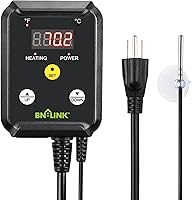
A plug-in temperature controller is another design. The BN-LINK Reptile Thermostat Temperature Controller runs from a power cord and is intended for heating devices such as heat mats and heat lamps, rather than as a home HVAC thermostat.
Use it only for its stated heating-device purpose. It isn't a replacement for a home thermostat that controls central heating and cooling.
How can you tell if your thermostat uses batteries?
Look for a battery compartment, a low-battery message, and the model's manual. These clues can help you identify the power setup without touching the wiring.
Some thermostats have a front panel that lifts off, while others have a drawer or compartment on the side. Don't pull or pry at the thermostat if you aren't sure how it opens.
Check the model number on the device or in its app, then find the matching instructions. If the display is blank, check the HVAC system's power switch and circuit breaker as well as the batteries, if applicable.
A smart thermostat may have a common wire, often called a C-wire, or another specified power arrangement. Sensi says its ST55 model doesn't require a common wire in most applications, but compatibility depends on the home's HVAC setup.
Review the wiring requirements before choosing a thermostat. If you are unsure which wires are present or what they do, ask a qualified HVAC professional instead of guessing.
What should you do when a thermostat shows a low-battery warning?
Replace the batteries with the type and orientation specified in the manual. If the thermostat has no user-accessible battery compartment, check its instructions before trying to open it.
Turn off the thermostat or HVAC system only if the manual directs you to do so. Note the battery orientation before removing old cells, and replace all batteries together when the instructions call for a set.
After replacing them, close the compartment and check that the display returns to normal. If the warning remains, consult the manual or manufacturer support rather than repeatedly removing batteries.
For general steps, read how to replace a thermostat battery. Brand-specific instructions can differ, including how to replace Honeywell thermostat batteries, how to replace Trane thermostat batteries, and how to change Braeburn thermostat batteries.
Can low batteries affect heating or cooling?
They can stop a battery-powered thermostat from displaying or sending a call for heating or cooling. The effect on a wired thermostat depends on what its batteries support.
If the display is blank or the controls don't respond, check the batteries and the thermostat's power source. A heating or cooling problem can also come from the HVAC equipment, a tripped breaker, or wiring, so a fresh battery isn't proof that the whole system is working.
Don't use thermostat settings to troubleshoot an unfamiliar heating mode. Learn what EM Heat means on a thermostat before changing that setting, and follow the equipment manual.
Do smart thermostats use batteries?
Many smart thermostats use HVAC wiring for power, while their separate sensors may use batteries. Requirements vary by model, so check compatibility and power details before installation.
A smart thermostat may also need a common wire or another approved power method. The Sensi ST55 includes 2 AA batteries and doesn't require a common wire in most applications; confirm compatibility with your system before buying.
To use a thermostat's schedule, follow the steps for your specific controls. Our guide explains how to program a Lux thermostat, and how to use a Braeburn thermostat covers its controls.
How can you choose the right battery-powered accessory?
Choose an accessory based on the job it does, not just whether it takes batteries. A room sensor can add readings from another part of the home, while a corded controller is for a separate heating device.
The ecobee SmartSensor 2-Pack is for compatible ecobee thermostats and provides room temperature and occupancy readings. Its included CR2477 battery is rated for up to 5 years by ecobee.
The BN-LINK controller is for heating devices such as reptile heat mats, seedling mats, and heat lamps. It uses a power cord and temperature probe, so it serves a different purpose from a battery-powered room sensor.
How do you know which power setup to choose?
Use the thermostat's manual and your HVAC wiring to decide whether batteries are needed. Replace batteries when prompted, keep the correct type on hand, and don't assume a wired thermostat has no battery role.
Choose a room sensor when you need temperature readings from another room and your thermostat supports it. Choose a corded controller only for a compatible standalone heating device, and check HVAC compatibility before selecting a smart thermostat.
Frequently asked questions
Do all home thermostats need batteries?
No. Some thermostats get power from the HVAC system through wiring, while others use batteries or a plug-in power source.
Some models combine HVAC power with batteries for backup.
Check the thermostat's manual or model information to learn which setup it uses.
Can a thermostat work without batteries?
It can if its design gets power from the HVAC system or another source and doesn't rely on batteries for operation. A battery-powered model may stop working or show a low-battery warning when its batteries run down; check its manual before removing them.
Why does a thermostat have batteries if it is wired?
Some wired thermostats use batteries as backup or to run the display and controls. The role varies by model, so don't assume that removing the batteries is harmless just because wires connect to the thermostat.
Follow the manual for replacement and setup.
How often should I replace thermostat batteries?
Replace them when the thermostat shows a low-battery warning or at the interval in its manual. Battery life depends on the model and use.
If the thermostat takes replaceable batteries, use the type and orientation specified for that unit.