Radiator vs Space Heater: Which Should You Choose? (November 2026)
Pick a radiator heater for slow, quiet, steady warmth and a space heater for fast, directed heat in a small area. In a radiator heater vs space heater choice, your room size, how fast you need warmth and how much noise you can accept should decide the winner.
On this page (12 sections)
- Radiator heater vs space heater: the quick verdict
- The two types side by side
- How fast each type warms a cold room
- Noise differences you will notice at night
- Safety features and safe placement
- Cost to run and energy use
- Room size and placement that work best
- Portability and daily use
- Controls, timers and comfort settings
- Who should buy a radiator heater
- Who should buy a space heater
- Space heater vs radiator: final choice for your room
Pick a radiator heater for slow, quiet warmth and a space heater for fast, focused heat. A radiator heater vs space heater decision should start with how quickly you need the room to feel warm and how much air movement you can accept.
All four picks in this comparison use 1500 watts at full power. That shared wattage means the main difference is how each type delivers heat, not how much power it draws at maximum.
A space heater you can use anywhere is covered in our guide to a space heater for home, and that guide helps you match size to room area before you compare designs.
Radiator heater vs space heater: the quick verdict
A radiator heater wins for quiet, steady heat; a space heater wins for speed and placement. Radiant heat warms you and nearby surfaces gently, while forced air moves warm air across the room within minutes.
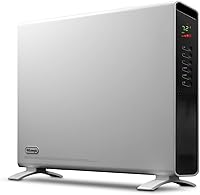
The two De'Longhi oil filled radiators here use radiant heat with no fan. The DREO and Lasko use forced air with a PTC or ceramic element and a fan to push warm air out.
If you read at night, work on calls or sleep lightly, a fan can become the main complaint. If you step into a cold room and want it warm now, waiting for a radiator can feel like the main problem.
Our score weighs specs, features and buyer feedback against what you are shopping for. It does not mean one type is always better, since the right choice changes with your room and routine.
The two types side by side
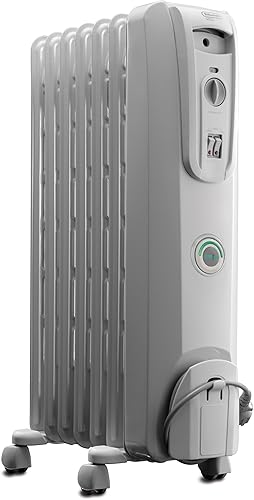
Radiators trade speed for silence; space heaters trade silence for speed. To understand a what is oil filled radiator design, picture sealed oil inside steel fins that release heat slowly to the air and to you.
A forced air space heater uses a fan to blow air over a hot element. That design raises the air temperature fast, but the fan can stir dust and add noise.
| Point to compare | Oil filled radiator heater | Forced air space heater |
|---|---|---|
| Heat delivery | Radiant and convection, no fan | Fan pushes warm air out |
| Speed | Slow to warm a cold room | Fast, often within seconds |
| Noise | Silent when running | Low, but a fan sound is present |
| Air quality feel | Gentle, less dry air movement | Can stir dust and feel drier |
| Portability | Heavy, often 23 to 27 pounds | Light, often under 4 pounds |
| Best room use | Bedroom, office, nursery | Living room, den, quick spot heat |
The table shows why the same 1500 watts can feel very different in daily use. Wattage tells you power draw, while heat delivery tells you how that power reaches you.
How fast each type warms a cold room
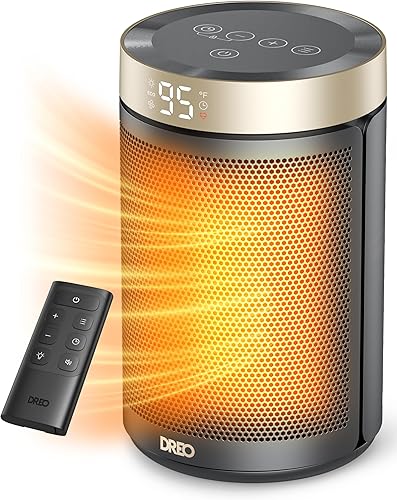
A space heater warms faster; a radiator warms more evenly over time. The DREO says its PTC system sends heat within seconds, and its heat funnel design aims for farther reach than some traditional heaters.
The Lasko uses 1500 watts of ceramic heat with wide oscillation. Oscillation helps spread that fast heat across a medium room instead of sending it in one straight line.
A radiator needs time to heat its oil and steel fins before the room feels warm. That wait is normal and does not mean the radiator is weak, since it keeps releasing heat after the air feels warm.
For a room you use all day, such as a home office, a radiator can be set in the morning and hold comfort with less fan noise. For a guest room you need in 20 minutes, a space heater is the safer pick.
Noise differences you will notice at night
A radiator heater is the quieter choice because it has no fan. The De'Longhi models provide silent operation with no fan to stir dust, pollen and dander, which many buyers mention as a reason to choose radiant heat.
The DREO lists a noise level of 34dB and uses a brushless motor and winglet fan design to reduce turbulence. That is quiet for a forced air heater, but it is not the same as silence.
The Lasko offers two quiet comfort settings, yet any forced air unit will still move air and make some sound. If you share a room with a light sleeper, that sound can matter more than heat output.
A dehumidifier guide is a useful side read if dry winter air makes you think about air quality, since heaters do not add moisture to a room.
Safety features and safe placement
Both types can be safe choices when you place them correctly and follow the manual. Oil filled radiators here have a low surface temperature design, thermal cut-off and anti-freeze settings that switch on when the temperature drops below 41 degrees Fahrenheit.
The DREO adds tilt-detection for tip-over protection, V0 flame retardant materials, overheat protection and a safety plug. The Lasko adds overheat protection and a cool-touch housing.
Keep any heater away from curtains, bedding, paper and furniture. Do not place it under a desk where air flow can be blocked, and do not leave it running unattended unless the manual allows it.
For homes with kids or pets, an oil filled radiator often feels like the calmer choice because fins stay at a lower surface temperature and there are no fan blades. A space heater still works well when you use its safety features and keep it in open space.
Cost to run and energy use
Neither type wins on watts alone, since all four picks here are 1500 watts. Running cost depends on how long you run the heater, what temperature you set and how well the room holds heat.
A radiator thermostat may cycle on and off to hold a set temperature. The De'Longhi EW7707CM has a ComfortTemp feature that De'Longhi says can be up to 20 percent more efficient than using the same unit at max setting without ComfortTemp.
The Dragon Digital has an ECO Plus feature that regulates power flow and temperature to manage comfort. Those modes help most when you set a real target temperature instead of running at maximum all day.
A space heater can cost less in practice if you use it for short periods in one spot. Heat only the room you are in, close the door and turn the heater down when you leave.
Room size and placement that work best
Match the heater to one room, not to a whole house. The DREO lists heating coverage of 200 sq.ft, while the Lasko lists 150 sq.ft.
The De'Longhi radiators list small to medium spaces.
A 200 sq.ft rating suits a bedroom or office with the door closed. It does not mean the heater will warm a large open plan area or a room with high ceilings and many drafts.
Radiators work best in the center of a room or near where you sit and sleep. Space heaters work best where you point the warm air, such as toward a sofa, desk or bed.
If your room is larger than the rating, you may need to run the heater at a higher setting for longer. That can raise cost and make the fan run more often on a space heater.
Portability and daily use
A space heater is far easier to move; a radiator is steadier once placed. The DREO weighs 3 pounds and measures 10 inches tall.
The Lasko weighs 2.5 pounds and measures 22.5 inches tall.
The De'Longhi EW7707CM weighs 23.2 pounds. The Dragon Digital weighs 26.6 pounds.
Both have handles and wheels, but neither is a quick carry from room to room.
For daily use, portability matters if you heat a bedroom at night and a living room in the evening. A light tower heater can follow you, while a radiator is better left in one room all winter.
Our comparison of a space heater vs wall heater is worth a read if you are also weighing a fixed wall unit. A portable heater gives you flexibility that a wall unit does not.
Controls, timers and comfort settings
Space heaters here offer fine temperature control; radiators here offer simple, steady control. The DREO lets you set heat from 41 to 95 degrees Fahrenheit in 1 degree steps, with Power heat, ECO and Fan Only modes.
The DREO also includes a remote control, 12-hour timer, mute, child lock and memory function. Those controls suit a bedroom where you want to set a temperature and turn it off by timer.
The Dragon Digital has a digital panel with an LED display and a 24-hour programmable timer. You can set it to start before you come home or to stop after you fall asleep.
The EW7707CM uses simpler controls with an adjustable thermostat and three heat settings. Simple controls can be easier for a guest room, while digital controls suit a daily routine you want to automate.
Who should buy a radiator heater
Buy a radiator heater if you want quiet, gentle heat that runs for hours. It suits bedrooms, nurseries, home offices and reading nooks where fan noise would bother you.
Choose the De'Longhi EW7707CM if you want basic controls, ComfortTemp mode and a lower price tier within this group. Choose the Dragon Digital if you want a timer, digital display and ECO Plus mode.
Radiators also suit people who dislike dry air movement from a fan. De'Longhi says radiant heat delivers gentle heat with minimal dry air and no fan to stir dust.
Before you buy, check our roundup of the best oil filled radiator heaters if you want more radiator options. It helps you compare fin designs, controls and size before you choose one model.
Who should buy a space heater
Buy a space heater if you want fast heat you can aim and move. It suits living rooms, dens, garages used as work areas and any room that gets cold for a short period.
Choose the DREO if you want the fastest response, wide temperature control and quiet forced air for a bedroom. Its 34dB level and remote control make it easy to use from bed.
Choose the Lasko if you want wide oscillation for a medium room and a light tower you can carry with one hand. Its remote control handles heat settings, oscillation and a 7-hour timer.
If you are torn between a radiator and a fan heater, our oil filled radiator vs electric heater guide breaks down the same trade-off in more detail. It is a good next read before you decide.
Space heater vs radiator: final choice for your room
Pick a radiator heater for quiet, long-lasting comfort and a space heater for fast, portable heat. If you heat a bedroom all night, a De'Longhi oil filled radiator gives you silent radiant warmth with anti-freeze protection.
If you need a cold room warm in minutes, the DREO Space Heater or Lasko tower will serve you better. Both are light, both use forced air and both let you direct heat where you sit.
For a set schedule, the Dragon Digital stands out with its 24-hour timer and digital panel. For simple radiator control, the EW7707CM keeps things easy with three heat settings and ComfortTemp mode.
You can also compare a space heater vs heat pump if you want a different way to heat one room. That choice often comes down to how much you want to spend and how fast you need heat.
If you already lean radiator, our best delonghi oil filled radiator heater picks will help you choose between De'Longhi models. Match the controls to your routine, then pick the type that fits your room and your sleep.
Frequently asked questions
Is a radiator heater better than a space heater?
A radiator heater is better for quiet, steady warmth that builds slowly, while a space heater is better for fast heat in one spot. Choose a radiator for a bedroom or office you can warm ahead of time.
Choose a space heater when you need heat within minutes.
Do radiator heaters use less electricity than space heaters?
Both types here use 1500 watts at full power, so neither wins on wattage alone. A radiator may use less over time if its thermostat cycles well and you heat only the room you use.
A space heater may cost less if you run it for short periods.
Can a space heater heat a whole room?
A 1500W space heater can heat a small room, such as the 200 sq.ft area rated for the DREO, but it will not heat a whole home well. Keep doors closed and seal drafts for the best result.
Radiators also suit one room at a time unless you use several units.
Which is safer for a bedroom with kids or pets?
An oil filled radiator has a low surface temperature design and no fan, which many buyers prefer around kids and pets. Space heaters here add overheat protection, tip-over protection or cool-touch housing.
Follow the manual for clear space around any heater.
How long does a radiator heater take to warm a room?
An oil filled radiator warms slowly, often taking a while to raise a cold room to a comfortable level. Set it earlier in the day and keep the door closed for steady results.
A forced air space heater warms faster but may need more fan noise.