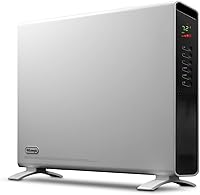
What Is an Oil Filled Radiator?
An oil filled radiator is an electric space heater with a sealed oil reservoir inside a finned metal body. It heats the oil, the fins warm up, and the room gets gentle radiant and convective heat with no fan.
On this page (9 sections)
- What is an oil filled radiator and how does it work?
- How does heat retention work in a sealed oil radiator?
- Is an oil filled radiator safe for bedrooms and homes with kids?
- Why does an oil filled radiator feel different from a fan heater?
- How much power and space does an oil filled radiator need?
- Which controls should you look for on an oil filled radiator?
- How do you set up and care for an oil filled radiator?
- What are the downsides of an oil filled radiator?
- How do you choose the right oil filled radiator for your room?
An oil filled radiator is an electric space heater with a sealed oil reservoir inside a finned metal body. It heats the oil, the fins warm up, and the room gets gentle radiant and convective heat with no fan.
That simple design explains most of what people ask about it. There is no flame, no exposed element, and no fan to stir up dust.
The trade-off is slower warm-up and a heavier unit to move.
What is an oil filled radiator and how does it work?
An oil filled radiator works by heating sealed oil that transfers heat to metal fins. The fins then warm the air and nearby objects and people.
The oil is called diathermic oil in De'Longhi models. It stays inside a permanently sealed reservoir, so you never refill it.
Heat spreads through the oil to the steel assembly, and the fins release it slowly.
This is different from a ceramic tower that blows heated air. Our space heater for home guide compares forced-air and radiant styles in more detail.
Why do the fins have that shape?
The fins create a large surface area in a small footprint. More surface means more heat can leave the metal and enter the room.
Thermal slots and chimneys on some models direct that flow upward while keeping the surface temperature low.
De'Longhi says its Dragon design has 75% more radiant surface area than its RadiaS design. That extra surface helps heat people in the room, not just the air.
How does heat retention work in a sealed oil radiator?
Heat retention is the main reason people choose this style. Hot oil and hot metal keep giving off heat after the element cycles off.
That smooths out temperature swings.
A fan heater can feel warm in minutes, then cool fast when it stops. An oil radiator takes longer to reach full warmth.
For a broader comparison, see radiator heaters vs space heaters.
Once it is there, it often holds a steadier level with fewer on and off cycles.
That trait suits overnight use in a bedroom and daytime use at a desk. It also helps if you prefer quiet heat while you read, work, or sleep.
Check the oil filled radiator vs electric heater comparison if you want a side-by-side look at warm-up speed, noise, and air movement.
Is an oil filled radiator safe for bedrooms and homes with kids?
Oil filled radiators have several safety features that help in family rooms. Fully enclosed heating elements, thermal cut-off, and rounded edges reduce burn and tipping risks.
They are not burn-proof, so placement still matters.
The De'Longhi EW7707CM has a thermal cut-off that switches the heater off if it overheats. It also has an anti-freeze setting that turns on when the temperature drops below 41 degrees F.
Its gently rounded design and low surface temperature make it a practical pick near pets or kids.
Keep any portable heater away from bedding, curtains, papers, and rugs. Use it on a flat, stable floor and plug it directly into a wall outlet when the manual calls for that.
If you want more models with similar safety features, see the best delonghi oil filled radiator heater picks.
Why does an oil filled radiator feel different from a fan heater?
The feel comes down to how heat moves. Radiant heat warms people and objects directly, while the fins also warm the air by convection.
A fan pushes warm air across the room.
Without a fan, there is no blowing sensation and no added noise. De'Longhi says the gentle heat minimizes dry air.
It also notes that no fan means less stirring of dust, pollen, and dander.
That lack of airflow can feel drier to some people, despite the maker's claim. If you tend to get dry sinuses, add a room humidifier or keep the heater at a lower setting.
The Lasko ceramic tower in this guide shows the opposite approach. It uses forced air and wide oscillation to move warmth across a room faster.
How much power and space does an oil filled radiator need?
Most full-size oil radiators in this guide use 1500 watts and suit small to medium spaces. That power level is common for a single room, not a whole house.
The De'Longhi EW7707CM is listed for small to medium spaces. It weighs 23.2 pounds and measures 6.5 by 15.5 by 27 inches.
That size fits beside a bed or desk, but it needs clear floor space on all sides.
The De'Longhi Dragon TRD40615E also uses 1500 watts for small to medium spaces. It weighs 26.6 pounds and measures 16.4 by 10.3 by 26.1 inches.
Its shape and weight make it a fixed spot choice more than a daily carry-around heater.
For a large living room, a single 1500W unit may struggle. See best oil filled radiator for large rooms to check whether a bigger fin count or higher output suits that space.
Which controls should you look for on an oil filled radiator?
Controls decide how easily you can keep a room steady. Look for an adjustable thermostat, clear heat settings, and a mode that holds temperature without running at full power.
A timer helps if you heat on a schedule.
The EW7707CM has simple controls for power level and temperature. It also has a ComfortTemp feature that De'Longhi says maintains optimal temperature and power levels.
The maker says that mode can be up to 20% more efficient than running the same unit at max without ComfortTemp.
The Dragon TRD40615E adds a digital panel with an LED display and a 24-hour timer. It also has an ECO Plus feature that regulates power flow and temperature.
A child lock helps if small hands may reach the controls.
If timers matter to you, compare options in best oil filled radiator with timer. If space is tight, check the best small oil filled radiator picks first.
Who should choose the De'Longhi EW7707CM?
Choose the EW7707CM if you want simple controls and a steady set-and-hold mode for a bedroom or office. It has three heat settings and an adjustable thermostat.
Its integrated handle and smart snap wheels make moving it from room to room easier. The steel body and multilayered finish resist corrosion, and the sealed oil reservoir needs no refills.
Skip it if you need a programmable timer or a digital display. The Dragon model covers those needs better.
Who should choose the De'Longhi Dragon TRD40615E?
Choose the Dragon TRD40615E if you want programmable timing and digital controls. It has a 24-hour timer, an LED display, and ECO Plus energy management.
Its thermal chimneys help distribute warm air while keeping a low surface temperature. The maker says the design gives 25% more radiant surface to heat people in the room.
Skip it if you prefer the simplest panel possible. The extra functions add setup steps that some buyers may not need.
How do you set up and care for an oil filled radiator?
Setup is simple because there is no installation required. Place it on a flat floor, keep distance from walls and soft furnishings, and plug it in.
Smart snap wheels on both De'Longhi models help you move them without tools. Use the integrated handles when the unit is cool.
Let it cool before moving it, since the fins stay hot after you switch it off.
For care, wipe the exterior with a dry or lightly damp cloth when cool. Check the cord for damage and keep the fin spaces free of dust and papers.
The sealed oil reservoir and steel construction mean low maintenance, with no refills or filters.
Store it in a dry place when the season ends. Coil the cord loosely and avoid resting heavy items on the fins.
What are the downsides of an oil filled radiator?
The main downsides are slow warm-up, weight, and limited range. It will not heat a large open-plan space the way a central system does.
It also uses the same 1500W as many fan heaters, so it does not save energy by magic. Its savings come from heating only the room you use and holding temperature with lower settings.
De'Longhi frames that as lower energy bills through zone heating.
The fins can still feel hot to the touch. Low surface temperature is not the same as no burn risk.
Keep it out of reach of small children where possible.
If you need quick heat before guests arrive, a fan heater may serve you better. If you need quiet, steady heat for hours, an oil radiator often fits better.
Our best oil filled radiator roundup lists models sorted by our scores for that exact use.
How do you choose the right oil filled radiator for your room?
Start with the room, not the model. Pick 1500W for a small to medium room, choose a timer if you heat on a schedule, and choose simple controls if you hate menus.
Then check size and weight against your floor space.
For a bedroom, quiet operation and anti-freeze protection matter. For a home office, a timer and ECO mode help you avoid running the heater all day.
For a nursery or pet area, a low surface temperature and thermal cut-off matter most.
Our score weighs specs, features, and buyer feedback against what you are shopping for. In this guide, the EW7707CM scores 9.7 for simple steady heat, and the Dragon TRD40615E scores 9.5 for digital control and timing.
The Lasko tower also scores 9.5, but it solves a different problem with fast forced air.
For what is oil filled radiator heat at its core, remember the sealed oil, the finned body, and the slow steady release. That design is the best fit when you want quiet room heat for long stretches, and it is the wrong fit when you need instant warmth across a large space.
Frequently asked questions
What is an oil filled radiator?
It is an electric heater whose sealed reservoir holds diathermic oil that warms an element or heats by contact. The heated fins release heat to the room by radiation and convection, and the oil keeps releasing heat after the setting drops.
Does an oil filled radiator need oil refills?
No. The oil reservoir is permanently sealed and never needs refilling.
You only need to wipe the exterior, keep vents clear, and check the cord and controls for damage.
Is an oil filled radiator safe to leave on?
Use it only with its safety features intact, on a flat floor, and away from bedding and curtains. Thermal cut-off, anti-freeze settings, and enclosed elements help, but no portable heater should be left unattended for long periods.
How long does an oil filled radiator take to heat a room?
It warms up more slowly than a fan heater because the oil and metal must heat first. Once warm, it holds steady heat well, which suits bedrooms, offices, and long sitting periods.