Thermostat vs Temperature Sensor: What's the Difference? (November 2026)
A temperature sensor measures room conditions, while a thermostat uses temperature information to control heating or cooling. Some thermostats include sensors, but a separate sensor usually cannot switch HVAC equipment by itself.
On this page (10 sections)
- Thermostat vs temperature sensor: what is the main difference?
- Is a thermostat a temperature sensor?
- How does each device affect HVAC control?
- When does a separate temperature sensor help?
- What does an occupancy sensor add?
- When should you replace the whole thermostat?
- How do temperature sensors affect comfort settings?
- Where should you place a temperature sensor?
- Can a sensor warn about unsafe temperatures?
- Thermostat vs temperature sensor: which should you choose?
A thermostat measures temperature and controls HVAC equipment, while a temperature sensor mainly measures conditions and reports them. That difference matters when you are trying to fix a hot bedroom, add room readings or replace an entire thermostat.
A thermostat can include a temperature sensor inside its housing. It also has control logic, a display or app interface, schedules and wiring or wireless connections that let it call for heating or cooling.
A separate sensor sits in another room and sends information to a compatible thermostat. It may improve the reading used for comfort, but it generally does not replace the thermostat's control functions.


Thermostat vs temperature sensor: what is the main difference?
The thermostat is the decision and control point; the temperature sensor is usually the measuring point. A thermostat reads temperature, compares it with a target and tells the HVAC system what action to take.
For example, if a thermostat is set to 70°F and its sensor reads 68°F, the thermostat may call for heat. When the reading reaches the system's control point, it can stop that call.
A separate sensor can report that a bedroom is 66°F while the hallway thermostat reads 70°F. If the thermostat supports that sensor, it may use the bedroom reading for a schedule or comfort setting.
The exact response depends on the thermostat system. Some systems prioritize one room, some average readings, and some use occupancy information to decide which room matters at a given time.
Is a thermostat a temperature sensor?
A thermostat usually contains a temperature sensor, but a temperature sensor is not automatically a thermostat. The sensor measures air temperature, while the thermostat combines that measurement with control rules.
A thermostat may also manage heating and cooling stages, schedules, fan operation and system modes. The purpose of a thermostat is to keep the HVAC system working toward the temperature you choose.
A separate sensor normally has a narrower role. It gives the thermostat another place to measure, which can be useful when the thermostat is installed in a hallway, near a draft or close to a heat source.
This distinction also explains why replacing a thermostat with a small room sensor usually does not work. The sensor may know the room temperature, but it may not have the terminals, relays or control software needed to operate the HVAC equipment.
How does each device affect HVAC control?
A thermostat can start, stop or adjust HVAC operation; a temperature sensor supplies information that may influence those actions. The sensor is part of the feedback loop, but the thermostat remains responsible for the control decision.
A basic thermostat may use one built-in sensor. A smart thermostat may combine its own reading with readings from remote sensors, occupancy data and a programmed schedule.
Control can also happen in steps. A system with more than one heating or cooling stage may respond gradually instead of turning every available stage on at once.
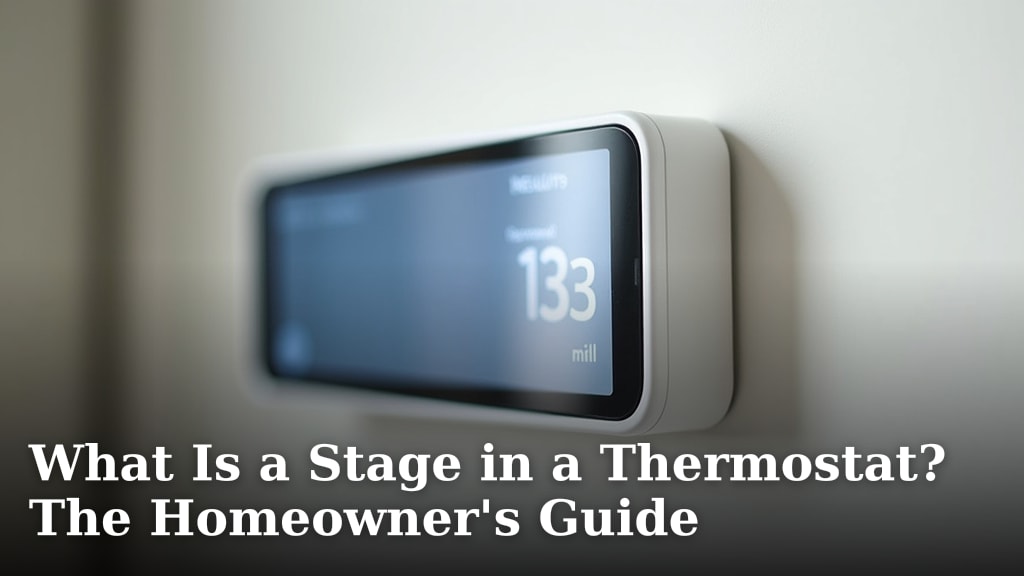
Learn what a stage in a thermostat means before assuming that an extra sensor creates another HVAC stage.
A sensor does not normally add heating capacity or cooling capacity. It changes the information available to the thermostat, not the size of the furnace, air conditioner or heat pump.
When does a separate temperature sensor help?
A separate sensor helps when the thermostat's built-in reading does not match the room you want to keep comfortable. Common examples include upstairs bedrooms, rooms with strong sunlight and spaces far from the thermostat.
It can also help you spot a temperature difference before changing the system. A reading from another room may show that the problem is local airflow, insulation, sunlight or room use rather than a thermostat setting.
A sensor works best when placed where people spend time, away from vents, direct sunlight, exterior doors and equipment that produces heat. Follow the sensor and thermostat instructions for mounting and wireless range.
Google Nest Temperature Sensor for another room
The Google Nest Temperature Sensor is a 3-pack of battery-powered room sensors in Porcelain. It works with the Nest Learning Thermostat 4th Gen, Nest Learning Thermostat 3rd Gen and Nest Thermostat E.
You can place a sensor on a wall or shelf, then use the Google Home or Nest app to set the room temperature you want at a certain time. The system can prioritize one room or create an average across rooms, with sensors usable in up to 6 rooms.
Its battery lasts up to 3 years according to Google's stated testing conditions, though actual battery life can vary. This option suits a Nest household that wants several room readings in one purchase.
The trade-off is compatibility. It is not a stand-alone thermostat, and the Nest thermostat is sold separately.
What does an occupancy sensor add?
An occupancy sensor adds information about whether a room is being used, not just how warm or cool it is. A compatible smart thermostat can use that information to focus comfort settings on occupied rooms or adjust settings when the home is empty.
Occupancy information is different from temperature information. A vacant room can still be too hot or cold, while an occupied room may need priority even if its temperature is close to the target.
ecobee SmartSensor 2-Pack for occupied rooms
The ecobee SmartSensor 2-Pack includes 2 SmartSensors, 2 detachable stands, adhesive, an installation guide and batteries. Each sensor measures temperature and occupancy, then communicates wirelessly with an ecobee thermostat from up to 60 feet away, including through walls and floors.
You can place each sensor on a stand or mount it to a wall, then connect it through the ecobee app. The included CR2477 batteries provide up to 5 years of power according to the product information.
This pair suits households that want to prioritize bedrooms overnight or use room occupancy as part of comfort adjustments. It needs an ecobee thermostat for its main comfort role, so it is not a universal sensor for every HVAC system.
The product also supports unexpected-motion alerts when the system is armed, but that feature requires an active ecobee Smart Security subscription. That security function is separate from the basic temperature-reading purpose.
When should you replace the whole thermostat?
Replace the thermostat when you need new HVAC control, not just another temperature reading. A new thermostat can provide the control hardware and software, while a separate sensor is better for extending room information within a compatible system.
Consider a full thermostat change if the existing control is damaged, lacks the schedule or app features you need, or cannot work with the sensors you want. Confirm HVAC compatibility before removing the old thermostat.
Wiring also matters. A smart thermostat may need a common wire, a power adapter or a manufacturer-specific kit.
Never assume that a sensor can solve a wiring problem.
ecobee Smart Thermostat Premium for control and sensing
The ecobee Smart Thermostat Premium is a Wi-Fi smart thermostat with Bluetooth, a touchpad, a built-in SmartSensor and a built-in air quality monitor. It includes a backplate, trim plate, wire labels, screws, drywall plugs, a Power Extender Kit and a quick start guide.
Its included SmartSensor can help the thermostat respond to the room you use instead of relying only on the thermostat's own location. The thermostat also has a radar-based occupancy sensor, app control and a built-in smart speaker with Siri or Alexa features.
The Power Extender Kit is included for systems without a C-wire, but you still need to confirm compatibility. ecobee says the thermostat works with 95% of HVAC systems and provides a compatibility checker for the exact system.
This is the broadest option here because it combines sensing with HVAC control, air-quality monitoring and smart-home features. The trade-off is that it requires a thermostat installation and may offer more functions than you need if your only goal is another room reading.
How do temperature sensors affect comfort settings?
A remote sensor can change which room guides the thermostat, but it cannot remove the physical limits of the HVAC system. If one room has weak airflow or poor insulation, using its sensor may make the system run longer without fully fixing the cause.
A thermostat may use a sensor in several ways:
- It may prioritize one room during a schedule.
- It may average readings from multiple rooms.
- It may use occupancy to focus on rooms in use.
- It may use the sensor reading as a reference for a comfort setting.
These choices can change how often the system runs. They do not guarantee that every room reaches the same temperature at the same time.
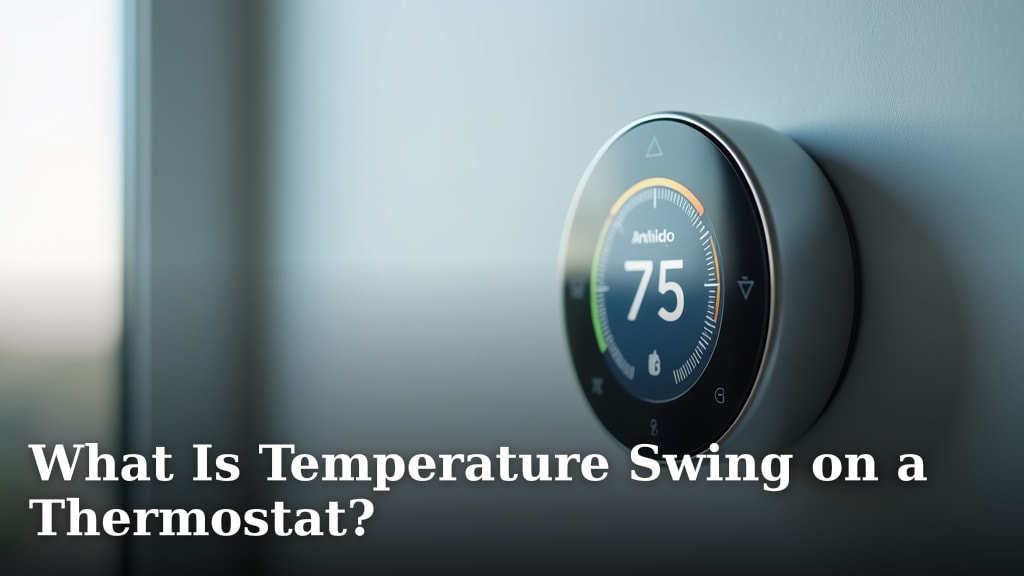
Temperature swing settings also affect equipment cycling. Our guide to temperature swing on a thermostat explains why a system may wait for a small difference before switching on.
Older controls may use a heat anticipator or a similar adjustment to manage cycling. Read what the anticipator on a Honeywell thermostat does if you are working with an older mechanical thermostat.
Where should you place a temperature sensor?
Place the sensor in the room you want represented, at a normal breathing height and away from direct heat or cold. Avoid placing it beside a supply vent, in direct sun, behind furniture or near a frequently opened exterior door.
A bedroom sensor may work well on a nearby wall or shelf if the room is the priority during sleep. A living-room sensor may make more sense when that room is occupied most of the day.
Do not hide the sensor behind curtains or inside a cabinet. The air around it should represent the room rather than a small trapped pocket.
Wireless range also matters. Pair the sensor according to the manufacturer's instructions, then check that the thermostat receives its reading before relying on it for a schedule.
For app-based systems, remote temperature control can let you review or change settings away from home. Remote access does not mean the sensor itself controls the HVAC equipment.
Can a sensor warn about unsafe temperatures?
A temperature sensor can support an alert system, but the alert depends on the compatible thermostat, app or monitoring service. A sensor by itself does not guarantee that someone will be notified.
A low-temperature alert can matter in a vacant home, utility area or room with pipes at risk during cold weather. The alert threshold, internet connection, battery condition and app settings all affect whether the feature works as intended.
Read what a low temperature alarm is before choosing a sensor for monitoring. A comfort sensor and a dedicated safety alarm may have different purposes.
Thermostat vs temperature sensor: which should you choose?
Choose a separate temperature sensor if your thermostat works but one room needs a better reading. Choose a new thermostat if you need HVAC control, schedules or a system that supports remote sensors.
Pick the Google Nest Temperature Sensor when you use a compatible Nest thermostat and want 3 sensors for room prioritization or averaging. Pick the ecobee SmartSensor 2-Pack when occupancy information and 2-room coverage fit an ecobee setup.
Pick the ecobee Smart Thermostat Premium when you need the control device and an included SmartSensor in one system. In every case, confirm compatibility and place the sensor where the room's temperature matters most.
The key thermostat vs temperature sensor rule is simple: the sensor tells the system what is happening, while the thermostat decides how the HVAC system responds.
Frequently asked questions
Is a thermostat a temperature sensor?
A thermostat contains a temperature-sensing part, but it does more than measure temperature. It compares the reading with your setpoint and can switch heating or cooling equipment.
A separate temperature sensor usually sends a reading to a compatible thermostat rather than controlling HVAC equipment on its own.
Can a temperature sensor replace a thermostat?
A temperature sensor usually cannot replace a thermostat because it does not provide the complete HVAC control function. It may measure a bedroom or another room and send that information to a compatible thermostat.
The thermostat still handles schedules, setpoints and equipment switching.
Why use a remote temperature sensor?
A remote temperature sensor helps when the thermostat's location does not represent the room you care about. A bedroom, upstairs room or sunny area may run warmer or cooler than the hallway.
A compatible thermostat can use that separate reading to guide comfort decisions.
Do smart thermostats need separate sensors?
Smart thermostats do not always need separate sensors, but an additional sensor can help with hot and cold spots. It can provide a reading from another room or detect occupancy, depending on the system.
Check compatibility before mixing a sensor with a thermostat from another brand.