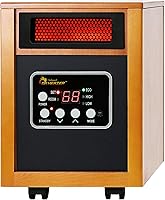
Space Heater with Humidifier: Combo or Separate Devices?
A space heater with humidifier combo saves space, but separate devices usually give better heat and humidity control. Choose a combo for a small bedroom or office where you want one plug. Choose separate units when you need stronger heat, a larger room or precise humidity control.
On this page (12 sections)
- Does a space heater with humidifier combo actually work?
- What are the pros and cons of a combo unit?
- When are separate heater and humidifier devices better?
- How much heat do you need for warmth and comfort?
- Which heater type works best with dry air?
- How should you control humidity without overdoing it?
- Where should you place each device for safety and comfort?
- Are space heaters safe to use with a humidifier?
- How do running costs compare for combos and separate devices?
- Which setup is right for bedrooms, offices and bathrooms?
- What should you check before you buy a combo or separate setup?
- Final verdict: combo or separate devices?
A space heater with humidifier combo can work well, but it is a compromise between two jobs. Separate devices cost more and take more space, yet they let you control heat and moisture on their own.
Start with your room, not the appliance. A small bedroom with dry winter air may do fine with one quiet combo unit.
A larger living room, a bathroom or a home with wood floors may need separate heat and humidity control.
This guide compares combo units and separate setups. It also explains safety, placement and running costs.
For a broader starting point, see our space heater for home guide.
Does a space heater with humidifier combo actually work?
A combo works when your need for heat and humidity is modest and steady. It is less effective when one need is strong and the other is mild.
You cannot always run one part without the other.
Think about a cold bedroom in January. You may want heat at night and humidity while you sleep.
A combo can sit on the nightstand or floor and handle both with one cord. That simplicity is the main benefit.
Now think about a living room that is cold in the morning but only slightly dry. A combo may over humidify the room while you are trying to warm it.
Separate devices let you run the heater only until the room reaches the set temperature.
Combos also join two maintenance tasks. You must clean the humidifier tank and replace any filter.
You must also inspect the heater for dust, damaged cords and blocked vents. If you skip humidifier cleaning, mist quality can suffer.
Rule: Buy a combo only if you will use heat and humidity together most days. If you need one more than the other, buy separate devices.
What are the pros and cons of a combo unit?
The main pro of a combo is saved space and one outlet. The main con is shared control.
A combo is not automatically safer or cheaper to run.
On the plus side, a combo fits a desk, nightstand or corner. It reduces cord clutter and simplifies setup.
For a dorm room, nursery or small office, that can matter more than perfect control.
On the minus side, many combos limit heat output. Some also use a small tank that needs frequent refills.
If the tank runs dry, you may still be heating a dry room. If the heater cycles off, the humidifier may stop too.
Noise is another trade-off. A heater fan can mask humidifier noise, but it can also dry the air again.
A quiet heater with a separate humidifier often gives you a better night's sleep.
Cost needs a full view. A combo may cost less than two good separate units at first.
Over time, filters, tank cleaning and replacement parts add to the total. Separate units also let you replace only the part that wears out.
Rule: Choose a combo for a small room and simple needs. Choose separate devices for a large room, precise control or long winter use.
When are separate heater and humidifier devices better?
Separate devices are better when heat and humidity needs change at different times. You can heat the room quickly, then run the humidifier only as needed.
Consider a bathroom after a shower. The room may feel humid but still cold.
A wall heater can warm the space without adding more moisture. A combo would add humidity you do not need.
Consider a bedroom on a dry, very cold night. You may need strong heat for an hour, then low humidity for eight hours.
Separate devices let the heater rest while the humidifier runs at a low setting.
Separate devices also help with placement. A heater belongs low and clear of fabrics.
A humidifier belongs on a raised, stable surface where mist can spread.
Upgrades are easier too. You can keep a reliable heater and replace only a worn humidifier.
You can also move the humidifier to another room. See our space heaters complete buying guide before deciding on heat output.
How much heat do you need for warmth and comfort?
Most rooms need about 1500 watts of electric heat for spot heating. That wattage is common because it fits standard 120-volt circuits.
It does not heat a whole house.
A 1500-watt heater can warm a small to medium room when doors and windows are closed. It works best as zone heat for the room you use most.
It will struggle in a large, drafty space with high ceilings.
Placement affects comfort as much as wattage. Low radiant heat warms objects and people near it.
Fan-forced heat moves warm air quickly but can feel drafty. Oil-filled radiators warm slowly and then hold heat for a while.
Thermostat control matters for comfort and cost. A heater that cycles on and off can hold a steady temperature.
A heater left on high may overheat the room, then leave you cold when it shuts off.
For a portable option, the De'Longhi oil-filled radiator below offers 1500 watts, three heat settings and ComfortTemp control.
Rule: Match wattage to room size and insulation. Use 1500 watts for a small or medium room, and do not expect it to heat an entire floor.
Which heater type works best with dry air?
Oil-filled radiators and ceramic heaters tend to feel gentler in dry rooms. Fan-forced heaters move air faster and can make dryness more noticeable.
The heater type matters as much as the humidifier.
Radiant heat warms people and furniture directly. It does not rely on blowing hot air across the room.
Many buyers prefer that feel in bedrooms because it is quiet and steady. It also stirs up less dust than a strong fan.
Ceramic heaters heat up fast and are compact. A ceramic model can suit a desk or a small bedroom.
Some ceramic units have fans, so check how much air they move. Our guide to what is a ceramic space heater explains the trade-offs.
Oil-filled radiators take longer to warm up. Once warm, they release heat slowly and evenly.
That slow cycle can reduce the dry, hot blast that some fan units produce. The De'Longhi model above uses radiant heat and has no fan to stir dust.
Fan-forced wall heaters are different. They push heat into a room quickly and can suit bathrooms or chilly corners.
The Cadet wall heater below is a 1500-watt fan-forced unit with a built-in thermostat.
Rule: Pick radiant or oil-filled heat for bedrooms and dry air. Pick fan-forced heat when you need fast warmth in a bathroom or small room.
How should you control humidity without overdoing it?
Use a hygrometer so you add moisture based on a reading, not a feeling. Indoor relative humidity around 40 to 50 percent feels comfortable for many people in winter.
Too little humidity can leave skin, wood and throats feeling dry. Too much humidity can cause condensation on windows and mold in hidden spots.
A humidifier without a meter can push a room too far in either direction.
Place the hygrometer at head height, away from the heater vent and humidifier mist. Wait a few minutes for a stable reading.
Adjust the humidifier in small steps and check again later.
Separate humidifiers usually offer clearer output settings than combos. You can run low mist for hours instead of high mist for a short burst.
If you use a combo, watch for window condensation as a warning sign. Reduce output or run the humidifier for fewer hours.
For heater control, the best electric space heater with thermostat roundup compares different control styles.
Where should you place each device for safety and comfort?
Place heaters on flat floors with at least 3 feet of clear space around them. Keep humidifiers on stable surfaces, away from heater vents and bedding.
Clear space is a safety rule, not a suggestion.
Never place a heater on a bed, rug, couch or under a desk with paper near it. Keep curtains, blankets and pillows away from the heat source.
Unplug the heater when you leave the room or go to sleep unless it is designed for safe overnight use with a thermostat.
Humidifiers need their own clear space too. Mist should spread into the room, not soak a wall or curtain.
Keep the tank away from wood floors where spills can cause damage. Wipe up any condensation promptly.
For a combo, one placement must satisfy both devices. That can be hard in a bedroom.
The heater wants floor space and distance from fabric. The humidifier wants a raised surface and open air flow.
A wall heater solves the floor space issue in some rooms. The Cadet Com-Pak above recesses into the wall and is hardwired on a 120-volt circuit.
It can mount horizontally or vertically and is approved for ceiling installation at 1500 watts.
Rule: Give the heater clear space first, then place the humidifier for even mist. If one spot cannot serve both safely, use separate devices.
Are space heaters safe to use with a humidifier?
Space heaters are safe when you follow clear space, cord and supervision rules. A humidifier does not make a heater safer.
The two devices must each follow their own safety steps.
Start with the basics. Plug a heater directly into a wall outlet when the maker recommends it.
Do not use a power strip, extension cord or overloaded circuit. Check the cord for damage before each winter.
Keep children and pets away from hot surfaces. Radiant heaters can burn skin on contact.
Fan heaters can blow hot air and dust toward faces. Wall heaters remove floor-level contact risks but still need clear space in front.
Turn off and unplug heaters when you leave the room. Tip-over switches help with portable models, but they do not replace supervision.
A thermostat can reduce overheating, yet it cannot fix a blocked vent or a damaged cord.
Humidifier safety is about water care. Empty and dry the tank often when the maker recommends it.
Use the water type the maker specifies. Do not add essential oils or cleaners unless the maker approves them.
Our safety guide answers are space heaters safe in detail. Read it before using any heater overnight or in a child's room.
Rule: Never trade safety steps for convenience. If a room cannot keep clear space around a heater, choose a different heating setup.
How do running costs compare for combos and separate devices?
Separate devices let you pay only for the heat or humidity you use. A combo may run both functions when you need only one.
Heater cost depends on wattage and run time. A 1500-watt heater running for 8 hours uses 12 kilowatt-hours.
Your electric rate determines the dollar cost. Zone heating can still cost less than heating every room to the same temperature.
Humidifier cost is usually lower, but tank size and output matter. A large tank with high output uses more power and water.
A small unit on low may be enough for a bedroom. Filters and descaling solutions add small ongoing costs.
Comfort settings affect both bills. A thermostat that holds a lower temperature saves energy.
ComfortTemp on the De'Longhi model above automatically maintains optimal temperature and power levels. De'Longhi says that feature can be up to 20 percent more efficient than using the same unit at max without ComfortTemp.
Wall heaters can also save energy by heating one room hard. The Cadet Com-Pak has a built-in thermostat from 40 to 85 degrees Fahrenheit.
If you want fan control with heat, compare options in our best space heater with fan and thermostat guide.
Which setup is right for bedrooms, offices and bathrooms?
Bedrooms suit quiet radiant heat, offices suit compact control, and bathrooms suit fast fan heat. Humidity needs differ in each room.
In a bedroom, quiet matters most. An oil-filled radiator produces steady heat without a fan.
A separate low-mist humidifier can run beside the bed. Keep both away from bedding and set the heater to cycle rather than run all night.
In an office, compact size and controls matter. A small heater under a desk needs clear space from paper and pants legs.
A combo could save outlet space, but check the heat output and noise first. Brand guides such as how to use dreo space heater and how to use lasko space heater show how controls differ by brand.
In a bathroom, speed matters. A fan-forced wall heater can warm a chilly room before a shower.
Humidity is often high there, so a humidifier is usually unnecessary. The Cadet Com-Pak above is built for indoor use in bathrooms, bedrooms, living rooms and offices.
For four-season rooms, do not expect heat to cool the space. A space heater and cooler combo is a different tool.
It does not replace air conditioning in hot weather.
What should you check before you buy a combo or separate setup?
Check wattage, tank size, controls, noise and clear space needs before you buy. Those five items decide whether a setup will work in your room.
A long feature list cannot fix a wrong size.
For the heater, confirm wattage, heat settings and thermostat type. Check the dimensions and weight so you can move it safely.
Confirm the plug type and whether the maker allows extension cords. Look for tip-over protection, overheat shutoff and a cool exterior where possible.
For the humidifier, confirm tank size, run time and output settings. A small tank may need daily refills in dry weather.
A larger tank costs more but can run overnight. Check how often you must clean the tank and whether filters are required.
For a combo, ask how each part controls itself. Can the humidifier run without heat?
Can the heater run without mist? Can you set each output on its own?
If not, you will pay for features you cannot turn off.
The Cadet thermostat kit below is a reminder that controls are specific. It fits Cadet F series electric baseboard heaters only, with a 45 to 80 degree Fahrenheit range.
Rule: Buy the setup whose controls you can set separately. That flexibility matters more than a combo badge.
Final verdict: combo or separate devices?
Separate devices are the better choice for most homes because they give you control. A combo is the better choice for a small room where space and one outlet matter most.
Your room size, dryness and sleep needs decide the winner.
Choose a space heater with humidifier combo if you heat a small bedroom or office, the air is only slightly dry, and you will run both parts together. Choose separate devices if you heat a living room, you need strong nighttime humidity, or you want to replace only one part later.
For gentle bedroom heat, the De'Longhi oil-filled radiator offers 1500 watts, three heat settings, ComfortTemp and an anti-freeze setting. For fast bathroom or corner heat, the Cadet Com-Pak wall heater offers fan-forced heat with a built-in thermostat from 40 to 85 degrees.
For baseboard heat, the Cadet thermostat kit fits Cadet F series heaters only.
Final rule: Match heat and humidity to the room, not to the appliance label. If you can set each one separately, you will feel more comfortable and waste less energy.
Frequently asked questions
Is a space heater with humidifier better than separate devices?
Separate devices are usually better for control, because you can adjust heat and humidity independently. A combo is better for saving space and using one outlet.
The best choice depends on room size, dryness and how much control you want.
Can a space heater make a room too dry?
Yes, electric heat can lower relative humidity as it warms the air. A humidifier can help, but over humidifying can cause condensation.
Use a hygrometer and keep indoor humidity in a moderate range instead of guessing.
Where should I place a humidifier and heater in a bedroom?
Place the heater on a flat floor away from bedding and curtains, with clear space around it. Place the humidifier on a stable surface away from the heater vent.
Keep both away from the bed so mist and hot air do not blow directly on you all night.
Do I need a humidifier with an oil-filled radiator heater?
Not always. Oil-filled radiators produce gentle radiant heat and De'Longhi says its model minimizes dry air without a fan.
If your room still feels dry or a hygrometer reads low, a separate small humidifier gives you control.