Why Is My Floor Fan So Loud?
A loud floor fan usually has a loose grille, blade, base, or motor part. Unplug it, clean the fan, tighten accessible screws, and stop using it if the noise continues or the blade wobbles.
On this page (11 sections)
- What makes a floor fan loud?
- How do you identify the type of fan noise?
- Can dust make a floor fan loud?
- How can you check for a damaged or unbalanced blade?
- What should you check on the fan base?
- Are quieter tower fans a useful alternative?
- What if quiet operation matters most?
- Does a shorter tower fit a smaller room?
- When should you stop using a loud floor fan?
- How do you prevent a floor fan from getting loud?
- What is the fastest fix for a loud floor fan?
A floor fan gets loud when vibration, airflow, or the motor develops a problem. The most common causes are dust on the blades, a loose grille or base, an unbalanced blade, worn motor bearings, or a fan sitting on an uneven surface.
Start by unplugging the fan. Check for loose parts, clean the accessible surfaces, and place it on a firm, level floor before deciding whether the noise needs repair or replacement.
What makes a floor fan loud?
A loud floor fan usually has either a vibration problem or a motor problem. Rattling often points to a loose guard or screw, while grinding or squealing can point to the motor or bearings.
The fan's position also matters. A hard floor, loose rug, or uneven base can amplify normal vibration, especially when the fan is running at a high speed.
If you are comparing fan styles, our guide to air circulators explains how airflow-focused designs differ from ordinary room fans.
How do you identify the type of fan noise?
Listen to when the noise starts and how it changes with speed. This can help you narrow the cause without opening the motor housing.
- Rattling: Check the grille, housing, base, and visible screws.
- Clicking: Look for a blade touching the guard or a loose oscillation part.
- Humming: Test whether the sound changes with speed or airflow.
- Grinding: Treat it as a possible motor or bearing problem.
- Squealing: Stop the fan and check for a mechanical fault.
- Thumping: Look for a dirty, bent, or unbalanced blade.
Don't hold the grille or blade while the fan is plugged in. Unplug it first, then turn the blade by hand only if the design allows safe access.
Why is my floor fan rattling?
A floor fan rattles when a grille, screw, base, handle, or housing panel vibrates against another part. A loose front guard is especially common because airflow and motor vibration can make it shake at higher speeds.
With the fan unplugged, gently check accessible screws and fasteners. Tighten only parts designed for user access, and don't force plastic pieces that could crack.
Place the fan on a firm, level surface. If the rattle stops when the fan is moved, the floor or base may be amplifying the vibration.
Can dust make a floor fan loud?
Dust can make a floor fan louder by adding weight to the blades and restricting airflow. Even a thin layer can make the blade less balanced, while clogged grilles can create extra turbulence.
Unplug the fan before cleaning. Use a soft brush or cloth on the grille, blades, and housing, and keep moisture away from the motor and controls.
Don't spray cleaner directly into the fan. If a removable grille or blade is allowed to come off, follow the manual and dry every part fully before reassembly.
How can you check for a damaged or unbalanced blade?
A bent, cracked, or uneven blade can cause thumping and strong vibration. Look at the blade from the side and check whether it sits evenly when turned by hand.
Never straighten a cracked blade and keep using it. A damaged blade can break apart or put extra strain on the motor.
If the blade looks intact but the fan still wobbles, check that it is seated correctly. Reassemble the guard securely, then test the fan briefly from a safe distance.
For replacement shopping, compare our guide to the best floor fan options. If space is limited, see the best floor fan small picks before choosing a larger frame.
What should you check on the fan base?
A loose or uneven base can turn normal motor vibration into a loud floor fan. Inspect the feet, stand, adjustment joint, and visible fasteners with the fan unplugged.
Set the fan on a hard, level surface and keep it away from walls or furniture that can reflect sound. If the fan has an adjustable stand, make sure the joint is locked in the position you want.
Don't place a vibrating fan on an unstable stool or a soft cushion. That can increase movement and make the fan easier to knock over.
Are quieter tower fans a useful alternative?
A tower fan can be a practical alternative when you want a tall, enclosed design and don't need to inspect exposed fan blades. You still need to keep the housing clean and follow the safety instructions.
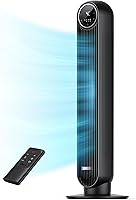
The Lasko 42" DUO Comfort Tower Fan Space is a gray indoor tower unit with a remote, 3 heat settings, 8 fan speeds, widespread oscillation, and a stated noise level of 44 dB.
It suits someone who wants one standalone unit for indoor heating and cooling, with an 8-hour timer, child lock, cool-touch exterior, tip-over switch, and overheat protection. Its stated 44 dB noise level gives you a useful comparison point, but room acoustics and speed still affect what you hear.
The unit includes the tower unit, remote control, and user manual. It measures 12.5 in D x 12.5 in W x 41.89 in H and weighs 11.5 lb.
What if quiet operation matters most?
Choose a fan and heater with a published low noise figure when sound matters for sleep or work. Also check the speed range, because higher airflow can produce more audible air movement even when the motor is quiet.
The DREO 42" Space Heater Large Room is a silver floor-mounted tower heater and fan with a remote, 12 fan speeds, 120° oscillation, and a stated 25 dB operating noise level.
It suits a bedroom or office where quiet operation is a main concern. It also has a 1500 W PTC ceramic heating method, a 12-hour timer, temperature settings from 41°F to 95°F, and 8 listed safety protections.
The unit includes 1 heater, 1 remote control, and 1 user guide. It measures 12.91 in D x 12.91 in W x 42.46 in H and weighs 13.5 lb.
Does a shorter tower fit a smaller room?
A shorter tower can fit better where height or floor space is limited, but it still needs clear airflow around the housing. Measure the available area before choosing a replacement.
The Lasko 38" DUO Comfort Tower Fan Space is a white indoor floor-mounted tower fan and space heater with a remote, widespread oscillation, 3 heat settings, and 4 quiet fan modes.
It suits readers who want a shorter Lasko tower with high-velocity cooling and an 8-hour timer. Its ceramic forced-air heating method produces 1500 W of heat, and the unit includes overheat protection, a tip-over switch, cool-touch housing, and a child lock.
The unit includes the tower fan and space heater, remote control, and user manual. It measures 10.96 in D x 8 in W x 38.65 in H and weighs 11.5 lb.
When should you stop using a loud floor fan?
Stop using the fan immediately if you smell burning, see sparks, feel unusual heat, hear grinding, or notice strong blade wobble. Unplug it and let it cool before inspecting the outside.
Don't bypass a guard, tip-over switch, or other safety part. Don't open the motor housing unless you are qualified and the manual supports that repair.
If the fan only rattles because of a loose accessible screw, cleaning and tightening may solve it. If the noise remains after basic care, replacement is safer than continued use.
For fans that need to move air across wet surfaces, compare the best floor fan for drying floors. A garage setup may call for the best floor fan for garage, while larger workout areas may suit the best gym floor fan.
How do you prevent a floor fan from getting loud?
Clean the grille and blades regularly, keep the base level, and tighten accessible fasteners when needed. Store the fan where it won't be knocked over or covered in dust.
Keep cords away from walkways and don't block the fan's air openings. Follow the manual for cleaning, lubrication, assembly, and storage.
If you prefer oscillation, review the best floor fan oscillating guide. For a brand-specific comparison, see the best lasko floor fan options.
What is the fastest fix for a loud floor fan?
A floor fan loud problem is most often solved by unplugging the unit, removing dust, tightening accessible parts, and placing it on a level surface. A grinding motor, cracked blade, burning smell, or persistent wobble means you should stop using it.
Choose a tower fan if you want an enclosed design and remote control. Choose the DREO when its stated 25 dB noise level and 12 fan speeds fit your quiet-room needs, or choose a Lasko tower when its height, controls, and heating features match your space.
Frequently asked questions
Why is my floor fan suddenly so loud?
A sudden increase in floor fan noise often comes from a loose grille, base, blade, or screw. Dust buildup, a bent blade, or a motor problem can also cause new rattling or grinding.
Unplug the fan before checking it, and stop using it if the blade wobbles or the motor smells hot.
Can dust make a floor fan loud?
Yes. Dust on the grille and blades can restrict airflow and add imbalance, which may create humming, rattling, or vibration.
Unplug the fan, clean accessible surfaces with a dry or slightly damp cloth, and let everything dry before reconnecting it.
Follow the fan's manual for any parts that can be removed.
Is a loud floor fan dangerous?
A loud floor fan is not always dangerous, but grinding, burning smells, sparks, overheating, or strong wobbling are warning signs. Unplug the fan and do not keep running it while diagnosing those problems.
A loose guard or unstable base can also create a physical safety risk.
Should I repair or replace a noisy floor fan?
Try cleaning and tightening accessible parts when the noise is clearly caused by dust or looseness. Replacement makes more sense when the motor grinds, the blade is damaged, the housing is cracked, or the fan remains loud after basic care.
Use the manual before opening the motor housing.