Box Fan vs Pedestal Fan: Which Should You Choose? (November 2026)
Choose a box fan for portable, floor-level airflow and a pedestal fan when you need adjustable height and directed air. Your room layout and where you want the breeze to reach should guide the choice.
On this page (6 sections)
Choose a box fan for portable, floor-level airflow and a pedestal fan when you need adjustable height and directed air. The box fan vs pedestal fan choice depends on where you want the breeze, how much floor space you have and whether you'll move the fan often.
A box fan sits on a flat surface, while a pedestal fan raises its fan head on a stand. That difference affects how air reaches a bed, desk or seating area.

 Best for easy room-to-room moves
Amazon Basics 3-Speed Box Fan for Bedroom
Box fan vs pedestal fan: what is the main difference?
A box fan puts air at the height where you place it; a pedestal fan lets you raise or lower the fan head. Choose based on the spot where you want the breeze to reach.
A box fan can rest on the floor or another stable, flat surface. Some models have carry handles, so you can move one between rooms without setting up a stand.
A pedestal fan takes more floor space around its base, but its adjustable height can help direct air above furniture. Many models also oscillate, moving the airflow from side to side.
Box fan vs pedestal fan for height and reach
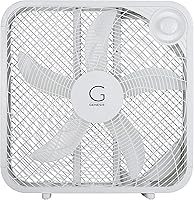
A box fan's airflow starts near the floor unless you place it on a raised surface. The Genesis 20-inch fan can sit on a dresser or table as well as the floor, but its height depends on the surface.
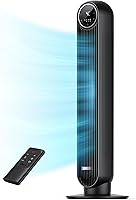
A pedestal fan provides a taller airflow position through its stand. The DREO model adjusts from 37 to 42 inches, while the Amazon Basics pedestal fan has adjustable height and tilt.
Don't block either fan with furniture. Leave a clear path between the fan and the area where you want to feel the airflow.
Which fan fits your room better?
Choose a box fan when you have a stable surface and want a simple footprint; choose a pedestal fan when you can spare floor space for a stand. Measure the area around the fan, including room for people to walk by.
A box fan has a broad, low shape that can fit beside a wall or in a window-side spot. Its frame may take up more width than a pedestal base, so check the exact dimensions and how it will sit.
A pedestal fan uses a smaller area at floor level but extends upward. Its height can help direct air over a bed or desk, though a stand may be awkward in a narrow walkway.
For a slimmer standing shape, compare a tower fan vs pedestal fan before choosing. If you plan to move air from above, our ceiling fan vs box fan comparison covers a different room setup.
Which is easier to move and store?
A box fan is often simpler to carry and store because it has no tall stand to assemble. A pedestal fan can still be moved, but its base and height may make repositioning less convenient.
The Amazon Basics box fan weighs 5.8 pounds and has a carry handle. The Genesis fan also has a handle, so either box style can work if you plan to carry it between a bedroom and living area.
Pedestal fans have a stand and base that may need to be moved together. If you regularly change where the breeze lands, look at whether the stand is easy for you to reposition and whether its cord can reach each location.
A floor fan vs pedestal fan comparison can help if mobility and floor placement matter more than having a raised airflow point.
How do airflow direction and controls compare?
Pedestal fans are usually more flexible for aiming airflow, while box fans keep a fixed direction unless you reposition them. Check whether you prefer to move the fan manually or use adjustment features.
The DREO pedestal fan offers 120° horizontal oscillation and a manually adjusted 120° vertical tilt. Its height adjusts from 37 to 42 inches, and its remote can control horizontal oscillation.
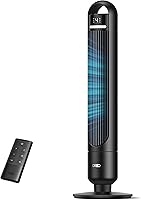
The Amazon Basics pedestal model has adjustable height and tilt, along with oscillation and a remote control. Its 3 speeds and 3 breeze modes give you options without changing the fan's position.
Box fans are simpler to aim: point the frame where you want airflow and set one of the speed options. The Genesis and Amazon Basics box fans each have 3 speed settings.
If you want to move air around a room rather than feel a direct breeze, read about an air circulator and how an air circulator vs fan choice changes the job. For a fan installed in ductwork, see duct booster fan filter guidance instead.
Which fan is better for bedrooms and desks?
Choose a box fan for a low, direct breeze near a desk or bed; choose a pedestal fan when you need to place airflow higher or sweep it across the room. Your furniture height and preferred airflow direction matter more than the fan label.
A box fan can work beside a desk or at the foot of a bed if it has a clear path. It can also sit on a stable table or dresser if the model's design supports that placement.
A pedestal fan's adjustable head can aim toward a seated person or above bedding. Oscillation can help distribute the breeze, but the fan may still blow directly at you during part of its sweep.
For an adjustable-height pick with 9 speeds and a remote, consider the DREO option. If you want a more basic pedestal design with remote control, the Amazon Basics 16-inch model offers 3 speeds and 3 modes.
Which fan should you choose?
Pick a box fan if you value portability, straightforward controls and flexible placement on flat surfaces. Choose a pedestal fan if adjustable height, tilt or oscillation will help aim airflow where you need it.
The Genesis box fan suits buyers who want a 20-inch fan with 3 speeds and a carry handle. The Amazon Basics box fan is a lighter choice at 5.8 pounds and also has a carry handle.
The DREO pedestal fan is the better match when you want adjustable height, broad oscillation and remote control. The Amazon Basics pedestal fan fits a simpler setup with adjustable height and tilt, 3 speeds and a remote.
If a pedestal fan seems right, our guide to the best pedestal fan for home compares more options. For a box fan, see box fan vs oscillating fan to compare fixed and moving airflow.
The short rule is simple: pick a box fan for easy carrying and low placement, and a pedestal fan for adjustable reach. Check the fan's dimensions and controls against the room before you choose.
Frequently asked questions
Is a box fan or pedestal fan better for a bedroom?
A box fan suits a bedroom when you want simple floor-level airflow and easy portability. A pedestal fan is a better fit when you want to adjust the fan height or direct air over furniture; check the controls and oscillation features if you want to change the breeze without moving the fan.
Can a box fan sit on a table?
Some box fans can sit on a suitable flat surface. The Genesis 20-inch box fan can be placed on the floor, a dresser or a table, while the Amazon Basics model has a free-standing design with extra-large feet.
Check that the surface is stable and can support the fan.
Does a pedestal fan cool a whole room?
A pedestal fan can spread air across a wider area when it oscillates, but it doesn't lower the room's temperature. The DREO model combines oscillation with air circulation, while the Amazon Basics pedestal fan has an oscillating function.
Room shape and placement affect how the breeze feels.
Which fan is easier to move between rooms?
A box fan is usually easier to carry because it has a compact frame and handle. The Amazon Basics box fan weighs 5.8 pounds and has a top carry handle; a pedestal fan's taller stand and base can take more effort to relocate and position.
Should a box fan or pedestal fan go near a window?
Either style can be positioned near a window if the fan sits securely and the cord reaches safely. A box fan's broad frame may suit a stable sill or nearby surface, while a pedestal fan can stand beside the window and direct air at an adjustable height.
Follow the fan manual for safe placement.