9 Best Smart Line Voltage Thermostats (November 2026)
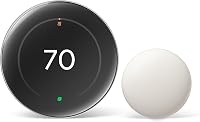
The best smart line voltage thermostats include the Mysa Smart Thermostat LITE for Electric Baseboard for line voltage electric heaters, the Google Nest Thermostat for compatible low-voltage HVAC, and the Sensi Smart Thermostat for familiar button controls.
On this page (4 sections)
The best line voltage smart thermostat in this group is Mysa Smart Thermostat LITE, because it is the only pick described for 120V or 240V electric heaters. The other products are designed for HVAC systems, so don't treat Wi-Fi or app control as proof that a thermostat can handle line voltage.
Check the thermostat and heater labels before you shop. A line voltage thermostat switches power to electric heat, while many smart thermostats are made for low-voltage HVAC controls.
The distinction matters for wiring, electrical load and safe installation.
If you're still identifying your setup, start with What Is a Line Voltage Thermostat? The Basics.
For a broader system check, see What HVAC Systems Work with Smart Thermostats?.
Our picks at a glance
-
1
 Best for line voltage electric heaters
Mysa Smart Thermostat LITE for Electric Baseboard
9.2/10 our score
See it on Amazon -
2

-
3

- 4
 Check it
ecobee Smart Thermostat Premium
Best for room sensing on compatible HVAC - 5
 Check it
Honeywell Home RTH9600WF Smart Color Thermostat ENERGY
Best for a color touchscreen on HVAC - 6
 Check it
ecobee Smart Thermostat Enhanced
Best for occupancy-based HVAC scheduling - 7
 Best for Alexa-based HVAC controlCheck it
- 8
 Best for app control on compatible HVACCheck it
- 9
 Check it
Honeywell Home TH6320ZW2007/U Z-Wave T6 Pro Programmable
Best for Z-Wave compatible HVAC
How we chose smart line voltage thermostats
Mysa is the only model in this selection described for line voltage electric heating. For connected controls in a heat-only home, compare smart thermostats for heat-only systems.
The remaining products are included as clear comparison points for HVAC buyers, because their product details do not identify them as controls for electric baseboards or similar heaters.
We compared each product's stated system type, wiring needs, connected controls and scheduling features against the search for a line voltage smart thermostat. A high score does not make an HVAC thermostat suitable for electric heat; fit depends on the heater, voltage, wiring and load.
Our score weighs specs, features and buyer feedback against what you're shopping for. Before buying, verify the exact model's compatibility with your heater and wiring.
High-voltage installation carries a shock risk, so use a qualified electrician when local code requires it or you are not comfortable working at the breaker and thermostat.
| Product | Best for | Voltage | Heater types | Wiring | Our score |
|---|---|---|---|---|---|
| Mysa Smart Thermostat LITE for Electric Baseboard | line voltage electric heaters | 120V or 240V | Baseboard, fan-forced, wall, convector and radiant ceiling | 4 wires, including neutral or second live wire | 9.2 |
| Google Nest Thermostat | compatible low-voltage HVAC | 9.7 | |||
| Sensi Smart Thermostat | familiar button controls | 9.3 | |||
| ecobee Smart Thermostat Premium | room sensing on compatible HVAC | 9.2 | |||
| Honeywell Home RTH9600WF Smart Color Thermostat ENERGY | a color touchscreen on HVAC | 9.2 | |||
| ecobee Smart Thermostat Enhanced | occupancy-based HVAC scheduling | 9.1 | |||
| Amazon Smart Thermostat | Alexa-based HVAC control | 9.0 | |||
| Sensi Lite Smart Thermostat | app control on compatible HVAC | 8.9 | |||
| Honeywell Home TH6320ZW2007/U Z-Wave T6 Pro Programmable | Z-Wave compatible HVAC | 8.0 |
Which smart line voltage thermostat fits your heater?
Mysa is the direct candidate for line voltage electric heat, while the other picks are for compatible HVAC systems. Match the thermostat to the type of heating equipment before comparing app features.
Mysa Smart Thermostat LITE for Electric Baseboard: Best for line voltage electric heaters
- 120V or 240V line voltage
- For electric baseboard, fan-forced, wall, convector and radiant ceiling heat
- Requires 4 wires, including neutral or second live wire
- Wi-Fi, app control and 7-day scheduling
Mysa is the clear fit here because it is designed for line voltage electric heaters. Check the wire setup, heater load and local code before you buy.
Pros
- Designed for 120V and 240V electric heat
- Wi-Fi app, scheduling and voice control
- No subscription for listed smart features
Cons
- Needs 4 wires, including neutral or a second live wire
- Not for 24V furnaces or central heat pumps
Mysa Smart Thermostat LITE is designed for 120V or 240V line voltage electric heat. Its stated heater types include electric baseboard, fan-forced, wall and convector heaters, along with radiant ceiling heat.
The wiring requirement is a key filter. Mysa needs 4 wires, including a neutral or a second live wire, and it won't work on a two-wire switch loop or on 24V furnaces and central heat pumps.
Mysa provides Wi-Fi control through its free app, along with on-device buttons, 7-day scheduling, geofencing, away and vacation settings. The product information also names HomeKit, Alexa and Google Home support.
Check the heater's wattage and the thermostat's specified load limits before you decide. Mysa gives limits of up to 1,900W at 120V or 3,800W at 240V, and says local codes vary.
Choose it only after confirming the wires and heater load. Turn off power at the breaker before installation, and hire an electrician if required by code or if high-voltage wiring is unfamiliar.
Google Nest Thermostat: Best for compatible low-voltage HVAC
- Wi-Fi and Google Home app
- Scheduling and remote control
- Designed to work without a C wire in most homes
- Compatibility varies by HVAC system
This is a smart thermostat for compatible HVAC systems, not a line voltage electric heater control. Consider it only if your system is the compatible low-voltage type.
Pros
- Remote control through Google Home
- Schedule creation in the app
- Can turn itself down when you leave
Cons
- Not identified for 120V or 240V electric heaters
- Some HVAC setups need a C wire or power accessory
Google Nest Thermostat is a connected control for compatible HVAC equipment, not a product identified for line voltage electric heat. Its scheduling and remote adjustment run through the Google Home app, and it can turn itself down when you leave.
Google says the thermostat works without a C wire in most homes, although some systems, including heating-only, cooling-only, zone-controlled and heat pump systems, need a C wire or another compatible power accessory. Those notes concern compatibility and power for HVAC installations, not a conversion to line voltage control.
For homes with a compatible system, the schedule and remote temperature changes can be useful. The thermostat also supports Google Assistant and Matter-certified voice assistants when paired with a compatible device.
Do not choose it for a 120V or 240V baseboard heater based on smart features alone. If your system is conventional HVAC, use Google's compatibility checker before buying.
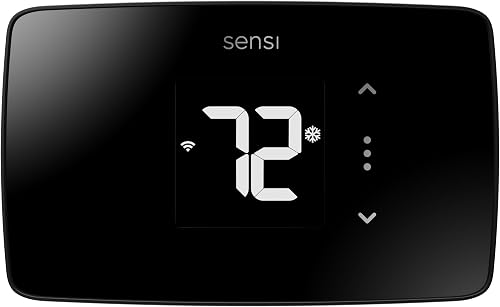
Sensi Smart Thermostat: Best for familiar button controls
- Wi-Fi remote access and flexible scheduling
- Built-in level and app installation steps
- C wire not required in most applications
- Works with HVAC equipment found in most homes
Sensi is aimed at common home HVAC equipment and uses button controls. It is not described as a line voltage thermostat for electric baseboards or wall heaters.
Pros
- Button layout resembles a traditional thermostat
- Scheduling, remote access and usage reports
- Sensi says it won't sell personal information to third parties
Cons
- Not identified for line voltage electric heat
- C wire needs vary by application
Sensi Smart Thermostat is designed for HVAC equipment found in most homes, with button controls and an app for scheduling and remote access. Its product information does not identify it for line voltage electric heaters.
The built-in level and app instructions are intended to guide installation. Sensi says a common wire isn't required in most applications, but check the requirements for your exact HVAC setup before buying.
Sensi also includes usage reports and equipment alerts, plus maintenance reminders such as filter replacement. The button layout is closer to a traditional thermostat than a large touchscreen.
Choose it for a compatible HVAC system when simple physical controls matter. It isn't a substitute for a thermostat made to switch line voltage power to baseboard or wall heat.
ecobee Smart Thermostat Premium: Best for room sensing on compatible HVAC
- Wi-Fi app control
- Included SmartSensor
- Power Extender Kit for systems without a C wire
- Designed for compatible HVAC systems
The included SmartSensor can help manage hot or cold spots in a compatible HVAC home. The thermostat is not described for direct line voltage electric heating.
Pros
- Includes a room SmartSensor
- App control and occupancy sensing
- Power Extender Kit included for some C wire setups
Cons
- Not identified for line voltage electric heat
- Compatibility must be checked for your HVAC system
ecobee Smart Thermostat Premium pairs app control with an included SmartSensor that detects which rooms are being used. That room sensing can help manage hot or cold spots in a compatible HVAC home.
The Premium includes a Power Extender Kit for homes without a C wire, a trim kit and a built-in smart speaker with Siri or Alexa. ecobee says to use its compatibility checker to confirm whether a system works with this thermostat.
Those features address comfort and connected control, but they don't guarantee line voltage compatibility. The product is described for HVAC systems, so don't connect it to an electric heater circuit unless the manufacturer confirms the exact setup is supported.
This is a feature-rich HVAC option, not the line voltage pick. Check the wiring and system type before considering it for your home.
Honeywell Home RTH9600WF Smart Color Thermostat ENERGY: Best for a color touchscreen on HVAC
- Wi-Fi and touchscreen control
- Customizable color display
- C wire required
- Does not work with 120V to 240V electric baseboard heat
Its color screen and remote controls suit supported HVAC systems, but Honeywell Home explicitly excludes 120V to 240V electric baseboard heat.
Pros
- Customizable color touchscreen
- Remote control through app or compatible smart home partners
- Shows indoor and outdoor temperature and humidity information
Cons
- Not for line voltage electric baseboard heat
- Requires a C wire
Honeywell Home RTH9600WF has a customizable color touchscreen and Wi-Fi control for supported systems. Honeywell Home lists forced-air, hot-water, steam and heat-pump systems with electric backup among compatible system types.
The exclusion is especially relevant here: Honeywell Home says this model does not work with 120V to 240V electric baseboard heat. It also requires a C wire.
Its screen can show indoor and outdoor temperature and humidity information, and the thermostat supports app and compatible smart-home control. Those conveniences don't change the system limit.
Skip this model for electric baseboard heat. Consider it only for a supported HVAC system with the required C wire.
ecobee Smart Thermostat Enhanced: Best for occupancy-based HVAC scheduling
- Wi-Fi app control
- Occupancy sensing and scheduling
- Power Extender Kit included for some C wire setups
- Designed for compatible HVAC systems
Occupancy sensing and remote adjustment make this an option for compatible HVAC systems. It is not described as a line voltage control for electric heat.
Pros
- Occupancy-based temperature changes
- App control from a phone, tablet or Apple Watch
- Power Extender Kit included
Cons
- Not identified for line voltage electric heat
- Check HVAC compatibility before buying
ecobee Smart Thermostat Enhanced uses occupancy sensing and scheduling to adjust temperature when people are away or asleep. It also supports remote control through the ecobee app and works with several named smart-home systems.
The included Power Extender Kit is intended for homes without a C wire, and ecobee says to confirm system fit with its compatibility checker. For boiler compatibility, compare smart thermostats for boilers.
Add-on SmartSensors are sold separately.
This model is described for compatible HVAC systems, not line voltage electric heat. Its automatic adjustments can be useful after the system match is confirmed, but they do not make it suitable for a baseboard heater circuit.
Choose it for HVAC scheduling and occupancy features. For 120V or 240V electric heat, use a thermostat specifically designed for that system.
Amazon Smart Thermostat: Best for Alexa-based HVAC control
- Alexa app control
- Automatic home, away and sleep temperature settings
- C wire required
- Designed as a smart upgrade from a traditional thermostat
Alexa control and automatic temperature settings are useful for a compatible HVAC setup. The product information does not identify it for line voltage heaters.
Pros
- Remote changes through Alexa app
- Can switch among home, away and sleep temperatures
- Installation guidance in the Alexa app
Cons
- Requires a C wire
- Not identified for line voltage electric heat
Amazon Smart Thermostat is an Alexa-focused option for a traditional thermostat replacement. The Alexa app can guide installation, and temperature changes are available through the app or voice control.
Amazon describes automatic home, away and sleep temperatures, along with control using select Echo devices or an Amazon Smart Air Quality Monitor. The product requires a C wire.
Its product details don't identify it for line voltage heaters. Treat it as an HVAC candidate only, and confirm compatibility before installation.
Sensi Lite Smart Thermostat: Best for app control on compatible HVAC
- Wi-Fi app control
- Flexible scheduling and geofencing
- Designed to work without a C wire in most homes
- Compatibility varies by system
Sensi Lite offers app control and scheduling for compatible HVAC equipment. It is not described for 120V or 240V electric heating.
Pros
- Remote control through the mobile app
- Flexible schedules and geofencing
- Sensi says it does not sell personal information
Cons
- Not identified for line voltage electric heat
- C wire or power accessory may be needed for some systems
Sensi Lite offers Wi-Fi app control, flexible scheduling, geofencing and usage reports for compatible HVAC equipment. Its product information says it works without a C wire in most homes, while some systems need a C wire or compatible power accessory.
The app supports remote changes from a phone or tablet, and the thermostat also supports voice control. Sensi says it does not sell personal information or use thermostat activity data for targeting or advertising.
This is not described as a line voltage thermostat. Use it only for a compatible HVAC system, after checking the wiring requirements for that system.
Honeywell Home TH6320ZW2007/U Z-Wave T6 Pro Programmable: Best for Z-Wave compatible HVAC
- Z-Wave Plus connectivity
- Programmable schedule
- Battery or C wire power
- Designed for low-voltage HVAC and heat pump systems
This Z-Wave thermostat is designed for compatible low-voltage HVAC and heat pump systems. It is not a line voltage electric heater control.
Pros
- Z-Wave Plus connectivity
- Can use batteries or C wire
- Programmable schedules
Cons
- Not identified for line voltage electric heat
- Needs a compatible Z-Wave setup for connected control
Honeywell Home TH6320ZW2007/U T6 Pro is a Z-Wave thermostat for low-voltage HVAC and heat pump systems. It can run from 3 AA batteries or a C wire and supports scheduled temperature changes.
The Z-Wave connection lets it work with a compatible Z-Wave control system. Its product details cover conventional and heat pump stages, rather than line voltage electric heaters.
Choose it when Z-Wave integration is part of a compatible HVAC setup. It is not the pick for switching power to electric baseboards or wall heaters.
What should you check before buying a line voltage thermostat?
Confirm the heater type, voltage, wiring and electrical load before choosing a smart line voltage thermostat. A thermostat that works with Wi-Fi or a voice assistant may still be incompatible with electric heat.
Start by identifying whether the existing thermostat controls a line voltage heater or a low-voltage HVAC system. For a focused baseboard comparison, read our guide to the best smart thermostat for baseboard heaters.
Is your heater 120V or 240V?
The voltage must match the thermostat's supported range. Mysa LITE is described for both 120V and 240V systems, but its maximum stated loads differ: up to 1,900W at 120V and 3,800W at 240V.
Check the heater label and the circuit information rather than guessing from the thermostat's appearance. If you need a narrower comparison, see best line voltage WiFi thermostat 120v or best 240 volt WiFi line voltage thermostat.
Does the wiring match?
Mysa needs 4 wires, including a neutral or a second live wire. It will not work on a two-wire switch loop, so count and identify wires only with the power off, and ask an electrician if you aren't certain what each conductor does.
A low-voltage thermostat's C wire guidance does not answer whether its controls can switch line voltage. Check both the wiring diagram and system compatibility for the exact thermostat model.
What kind of electric heater do you have?
Mysa names baseboard, fan-forced, wall and convector heaters, plus radiant ceiling heat. Similar-looking controls can serve different loads, so verify that the thermostat supports the specific heater type and total load in the room.
Do not assume a thermostat for a furnace or heat pump can control a line voltage heater. The system categories and electrical requirements are different.
Is installation within your comfort level?
Mysa directs users to turn off the breaker before installation and says to hire an electrician where code requires it or when high-voltage wiring is unfamiliar. Follow local rules and the model's wiring instructions.
If anything about the conductors, breaker or heater rating is unclear, stop and have a qualified electrician identify the system. Correct compatibility matters for both operation and electrical safety.
Verdict: which smart line voltage thermostat should you choose?
Choose Mysa Smart Thermostat LITE if you have a supported 120V or 240V electric heater, the required wiring and a load within its stated limits. For conventional HVAC, compare the other smart thermostat models only after confirming their compatibility with your system.
The deciding details are the heater type, voltage, wiring and load. If one of those is uncertain, identify it before buying; smart controls can't make an incompatible thermostat fit.
Our top 3 picks at a glance
-
1
Best for line voltage electric heaters
Mysa Smart Thermostat LITE for Electric Baseboard
9.2/10 our score
See it on Amazon -
2
-
3
Frequently asked questions
What is the best smart line voltage thermostat?
Mysa Smart Thermostat LITE is the only pick here described for line voltage electric heaters, including baseboard and fan-forced heat. It supports 120V or 240V systems, but needs 4 wires, including neutral or a second live wire.
Check the heater load, wiring and local code before installation.
Can a Nest thermostat control electric baseboard heat?
The Google Nest Thermostat in this group is described for compatible HVAC systems, and its product information does not identify 120V or 240V electric baseboard heat as compatible. Check your system type and the manufacturer's compatibility tool before buying a thermostat.
How do I check whether I have line voltage heat?
Identify the heater and thermostat wiring before shopping. Electric baseboard and wall heaters often use line voltage, but appearance alone is not a safe way to confirm wiring.
Read the existing control documentation or ask a qualified electrician to identify the system and conductors.
Does a line voltage smart thermostat need a neutral wire?
Wiring needs vary by model. Mysa Smart Thermostat LITE needs 4 wires, including a neutral or a second live wire, and does not work with a two-wire switch loop.
Turn off power at the breaker and use an electrician if you are unsure about the wiring.