Window Fan vs AC: Which Should You Choose? (November 2026)
Choose a window fan when outdoor air is comfortable and you want ventilation; choose AC when you need refrigerated cooling. A fan moves air, while an air conditioner cools indoor air, so the better fit depends on outdoor conditions and the room.
On this page (9 sections)
- Window fan vs AC: what is the main difference?
- When does a window fan make more sense?
- When should you choose AC instead?
- Which option handles humid weather better?
- Which costs less to operate?
- How do you choose for a bedroom?
- What should you check before installing either one?
- Which fan should you choose if you don't need window ventilation?
- Which should you choose: window fan or AC?
Choose a window fan when outdoor air is comfortable and you want ventilation; choose AC when you need refrigerated cooling. A window fan moves air through a room, while an air conditioner cools indoor air.
That difference matters most on hot or humid days. A fan may feel useful when outside air is pleasant, but it can't cool air that's already too warm to bring inside.
For the window-fan side, the Bionaire offers reversible airflow and a programmable thermostat. For refrigerated cooling in small rooms, the Frigidaire and GE units are rated for spaces up to 150 square feet.
 Best for flexible airflow
Bionaire Window Fan with Reversible Airflow Blades
 Best for adjustable window ventilation
Genesis Twin Fan High Velocity Reversible AirFlow
Window fan vs AC: what is the main difference?
A window fan exchanges air; an AC unit cools it. Choose based on whether you want fresh outdoor air or a lower indoor temperature.
A window fan can draw air in, push indoor air out, or do both, depending on its design. It doesn't use a refrigeration cycle to chill incoming air.
An air conditioner uses a cooling system to reduce indoor air temperature. The Frigidaire and GE models in this comparison each provide 5,000 BTU cooling and are intended for rooms up to 150 square feet.
A fan can circulate air without changing its temperature. Compare an air circulator vs fan to see how the two approaches differ.
For more on the role of circulation, see our air circulator guide.
When does a window fan make more sense?
Choose a window fan when the outdoor air is cooler or more comfortable than the air inside. It can exchange stale indoor air for outdoor air, but its effect depends on weather and airflow through the room.
Use intake mode when you want outdoor air to enter. Exhaust mode can move indoor air outside, while a fan that supports both directions can exchange air at once.
Open another window or door to give air a path through the room, if conditions and home security allow. The route matters: a fan can move more air through a space when it has a clear way in and out.
Don't use outdoor temperature alone as your guide. Humidity, smoke, pollen and other outdoor conditions may make incoming air less comfortable, even when it's cooler.
Which window fan features help with ventilation?
A reversible fan gives you intake and exhaust choices at the window. The Bionaire has independent blade control and can draw in air, exhaust it, or do both simultaneously.
The Genesis twin fan also supports intake or exhaust, including simultaneous operation. Its side panels expand to fit a window frame up to 37 inches wide, so measure the opening before choosing it.
A window fan can suit rooms where airflow direction matters more than a set cooling temperature. If you'd rather compare fan styles, our window fan vs box fan guide covers their different setups.
When should you choose AC instead?
Choose AC when you need the room cooled regardless of outdoor temperature. Refrigerated cooling is the key difference when hot air outside can't make the room comfortable.
The Frigidaire window AC is rated at 5,000 BTU for rooms up to 150 square feet. It has 2 fan speeds, temperature control and a washable filter.
The GE window AC also has 5,000 BTU cooling for rooms up to 150 square feet. Its controls offer 2 cooling modes, 2 fan speeds and 10 temperature settings.
Room size is only a starting point for choosing an AC. Sun exposure, ceiling height, insulation and heat from people or equipment can affect comfort, so consult the unit's guidance and measure the room before selecting a model.
Which option handles humid weather better?
AC is the better choice when you need cooling and some moisture removal; a window fan does not dehumidify. A fan brings in outdoor air, so humid conditions can make ventilation feel less comfortable.
An air conditioner cools air as it runs, and cooling can also remove some moisture. The amount depends on the unit and conditions, so don't treat a specific temperature setting as a humidity guarantee.
If outdoor air is cooler but damp, a fan might still be useful for ventilation when comfort allows. If the room feels warm and sticky, AC is more likely to address both temperature and some moisture.
A separate dehumidifier may be useful when moisture is the main concern and you don't need much cooling. Check room conditions and the instructions for any equipment you use.
Which costs less to operate?
A window fan usually uses less electricity than AC, but the exact cost depends on the units and how long they run. Compare power use and expected operating hours rather than relying only on appliance type.
A fan moves air without refrigeration, which generally requires less energy than cooling a room with an AC compressor. A window fan may also run only during cooler parts of the day.
AC may use more electricity, but it can provide cooling when a fan can't. The comfort you need and the hours required to reach it matter alongside energy use.
For a practical estimate, check the units' power information and multiply it by the hours you expect to run them. Then apply your electricity rate; actual use can vary with settings, room conditions and outdoor weather.
How do you choose for a bedroom?
Choose a window fan for comfortable outdoor air and ventilation; choose AC for more dependable cooling during hot nights. Consider outdoor noise, security, window fit and the temperature you need for sleep.
A fan needs a suitable window opening and a clear airflow path. If you leave a window open, consider the home's security and follow the fan instructions.
The Frigidaire is described as operating at 52 dBA and is intended for small spaces up to 150 square feet. The GE is described as low-noise, but no decibel figure is provided here for a direct sound-level comparison.
For a bedroom, check the window dimensions and the unit's installation requirements before buying. A fan can serve as an air circulator when you want room airflow without refrigerated cooling.
What should you check before installing either one?
Measure the window and read the installation instructions before buying a window fan or AC. A unit that doesn't fit the opening won't serve the room as intended.
The Bionaire is designed for double-hung and vertical slider windows 24 to 37 inches wide. The Genesis side panels expand for window frames up to 37 inches wide.
The Frigidaire has adjustable side panels. The GE installation kit is for double-hung windows, with a stated window size range of 21.875 to 36 inches wide and at least 13.375 inches high.
Check the exact opening style, width and height, plus any required supports and clearances in the manual. For an AC, use the included mounting parts and follow its installation directions.
Which fan should you choose if you don't need window ventilation?
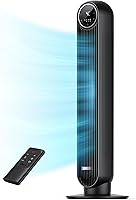
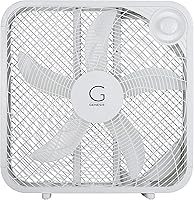
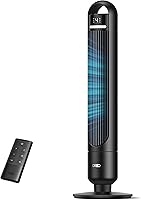
Choose a room fan if you want moving air without placing a unit in the window. A tower, pedestal or box fan can provide airflow, but it still won't refrigerate the room.
Compare a box fan vs pedestal fan if you are choosing between those styles.
A tower fan can take less floor space than some other styles, while a pedestal fan can direct airflow from a raised position. For a compact personal option, see the tower fan vs desk fan guide.
Compare the tower fan vs pedestal fan guide if you're choosing between those formats.
A box fan offers a different shape and placement option. Our ceiling fan vs box fan comparison can help if you're deciding between room-wide airflow and a portable fan.
Fans can improve the feeling of airflow without lowering the room's air temperature. If the room needs cooling in hot weather, choose an AC sized for the space.
Which should you choose: window fan or AC?
Pick a window fan when outdoor air is comfortable and ventilation is your goal; pick AC when you need refrigerated cooling. Match the equipment to outdoor conditions, room size and the type of comfort you want.
The Bionaire is a fit for reversible window airflow with thermostat control. The Genesis offers reversible ventilation with expandable panels and removable legs.
For a small room that needs cooling, compare the Frigidaire and GE's window requirements and controls. Choose the AC based on the room and installation fit, then follow its manual for setup and use.
If your goal is simply to move air around the room, consider a tower fan vs pedestal fan comparison before settling on a window-mounted option.
Frequently asked questions
Does a window fan cool a room like AC?
No. A window fan moves outdoor air through a room, while an air conditioner uses refrigeration to cool indoor air.
A fan can help when outside air is cooler and comfortable, but it can't make hot outdoor air colder.
Use AC when you need cooling independent of outdoor temperature.
Should I run a window fan in hot weather?
Run a window fan when the air outside is cooler and comfortable enough to bring indoors. If outdoor air is hotter than the room, intake can add heat instead of reducing it.
Check conditions through the day and switch the fan off or change its direction as needed.
Can a window fan remove humidity?
A window fan doesn't dehumidify air. It exchanges indoor air with outdoor air, so the result depends on the outdoor humidity.
An air conditioner can remove some moisture as it cools, though the amount varies with the unit and room conditions.
Can I use a window fan and AC at the same time?
You can, but the airflow may work against the AC if the fan brings warm outdoor air into the cooled room. If you use both, consider exhausting indoor air from a separate area and watch whether the room stays comfortable.
Follow the AC manual's installation and operating guidance.
Which is cheaper to run, a window fan or AC?
A window fan generally uses less electricity than an air conditioner because it moves air without refrigeration, but exact running costs depend on the models, settings and your electricity rate. Compare each unit's power use and the hours you expect to run it before estimating costs.