How to Cover a Thermostat on a Wall
To cover a thermostat on a wall, use a decorative cover that leaves the thermostat's vents and sensor exposed and does not trap heat around it. Keep the cover easy to open so you can read and adjust the controls.
On this page (7 sections)
- How should you cover a thermostat on a wall?
- What should a thermostat cover leave clear?
- How do you install a decorative thermostat cover?
- How can you check whether the cover affects the thermostat?
- Which products can help you manage comfort around a wall thermostat?
- What should you avoid when hiding a thermostat?
- How to cover a thermostat on a wall without affecting comfort
To cover a thermostat on a wall, choose a decorative cover that leaves the sensor and airflow openings clear. Keep it easy to open so you can read the display and change settings without removing the whole fixture.
A thermostat needs to sense the room around it. A solid box, tight cabinet, or fabric drape can hold warm or cool air around the sensor and interfere with its reading.
How should you cover a thermostat on a wall?
Use a ventilated thermostat cover or an open decorative frame with space around the thermostat. The thermostat should remain exposed to room air, with its display and controls easy to reach.
Measure the thermostat and the space around it before choosing a cover. Check that doors, trim, and any hinge clear the screen and buttons.
Keep the cover away from lamps, electronics, direct sunlight, and heating or cooling vents. Those sources can affect the temperature the thermostat senses even when the cover itself is well placed.
What should a thermostat cover leave clear?
Leave the thermostat's sensor area, air openings, display, and controls unobstructed. If the manual identifies specific clearance or mounting instructions, follow those first.
Some thermostats take in air through openings on the case, while others use sensors behind the front panel. Don't assume the sensor is in one particular spot; avoid enclosing the entire thermostat or sealing gaps around it.
A decorative frame can hide a rough paint edge or make the thermostat blend into the wall. It should not act like a closed cabinet that isolates the thermostat from the room.
Can you hang art over a thermostat?
Don't hang a solid picture directly over a thermostat if it blocks airflow or traps heat. Leave enough room for air to move around the thermostat and for you to reach its controls.
A hinged picture frame may swing aside, but it still needs open space when closed. If the thermostat feels warm inside the frame or the room temperature becomes less consistent, remove the frame and check placement.
For help choosing and configuring a thermostat before fitting a cover, see how to set up a thermostat.
How do you install a decorative thermostat cover?
Follow the cover maker's mounting directions and keep the thermostat itself untouched. A decorative surround should attach to the wall or its own mounting hardware, not press against the thermostat.
- Turn off power if the cover instructions call for work near wiring.
- Measure the thermostat and mark the cover position.
- Check that the cover won't block vents, controls, or the screen.
- Attach the cover as directed, without tightening anything against the thermostat.
- Open and close it, then confirm the display remains readable.
Don't remove the thermostat from the wall or disturb its wires just to fit a decorative cover. If the cover requires wiring work or the thermostat shifts, stop and ask a qualified HVAC professional.
If you have a Honeywell model, the steps for using a Honeywell Home thermostat can help you find its controls before measuring. For other brands, see how to set a Trane thermostat or how to set a Carrier thermostat.
How can you check whether the cover affects the thermostat?
Compare the thermostat's reading and the room's comfort before and after fitting the cover. Give the system time to respond, and make sure the cover has not changed how easily air reaches the sensor.
Check the thermostat display against a separate thermometer placed nearby, away from sunlight, vents, and appliances. A small difference can come from sensor location, so also notice whether the heating or cooling runs longer or the room feels different.
If readings seem off, open or remove the cover and allow the thermostat to adjust. Persistent problems may come from thermostat location, settings, or the HVAC system rather than the cover.
Can a room sensor help with uneven temperatures?
A room sensor can give a compatible smart thermostat another room's temperature reading. It can be useful when a hallway thermostat does not reflect the comfort of the rooms you use most.
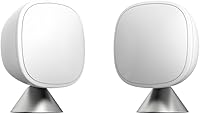
The ecobee SmartSensor 2-Pack can be placed on its stand or mounted to a wall, then connected to a compatible ecobee thermostat in the app. It detects occupancy and shares temperature readings from up to 60 feet away, according to ecobee.
This is a separate approach from hiding the wall thermostat. Check compatibility with your ecobee model and choose sensor locations that represent the rooms you want it to prioritize.
Which products can help you manage comfort around a wall thermostat?
Choose an accessory based on the temperature problem you want to solve. A room sensor adds readings from another space, while a thermostat replacement changes the wall control itself.
The Sensi Smart Thermostat has a built-in level and step-by-step app instructions for installation. Sensi says its shape fits the space of a traditional thermostat, which can help if you're replacing a wall unit and want to avoid patching and painting.
Don't buy a new thermostat just to cover an existing one. Check HVAC compatibility and wiring needs before replacing a control.
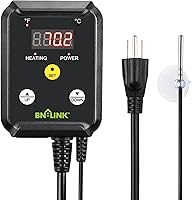
The BN-LINK Reptile Thermostat Temperature Controller is intended for heating devices such as reptile heating pads, seedling heat mats, and heat lamps. It is not a decorative wall cover or a substitute for a home's HVAC thermostat.
Use it only for the heating applications it is intended to control. Keep its probe placement and device setup separate from your home's thermostat.
What should you avoid when hiding a thermostat?
Avoid sealed boxes, thick fabric, and covers that touch or press against the thermostat. They can limit airflow, trap heat, and make access difficult.
Don't put a thermostat behind a cabinet door, curtain, or large piece of furniture. Keep it clear of direct sun and nearby heat sources, too.
Don't paint over the thermostat or apply adhesive over its vents, sensor openings, screen, or buttons. If a cover makes the thermostat hard to reach, choose a simpler frame or a different wall arrangement.
How to cover a thermostat on a wall without affecting comfort
For anyone deciding how to cover a thermostat on a wall, pick an open, ventilated cover that leaves the sensing area exposed and the controls reachable. If you need to hide the unit, use a frame that swings aside and does not enclose it.
Choose a room sensor if the hallway reading differs from the rooms you use. Choose a replacement thermostat only when you need new controls and have checked compatibility.
After installing a cover, compare the room's comfort and thermostat reading. If you need seasonal setting help, see the best thermostat setting for summer, or learn what EM heat means on a thermostat.
Frequently asked questions
Can I put a cover over a thermostat?
Yes, if the cover is designed for thermostats and leaves the sensing area and any air openings unobstructed. A cover that traps heat or blocks airflow can make the thermostat read the surrounding temperature instead of the room.
Keep the controls accessible and follow the thermostat's instructions.
Will a decorative thermostat cover affect temperature readings?
It can if the cover encloses the thermostat, blocks its vents, or holds heat near the sensor. Choose an open, ventilated design with clearance around the thermostat, and check that its display and controls remain easy to reach.
Watch the room's comfort after installation.
How do I hide an ugly thermostat without covering it?
Use a shallow frame or decorative surround that draws attention away from the thermostat while leaving its front and sides clear. You can also coordinate the wall color or nearby decor.
Avoid placing art, furniture, or fabric directly over the thermostat, since those can restrict airflow.
Can I paint a thermostat cover?
You can paint a removable decorative cover if its material and instructions allow it, but take the cover away from the thermostat before painting. Let it dry and air out fully before putting it back.
Never paint the thermostat itself or cover any vents, sensor openings, labels, or controls.