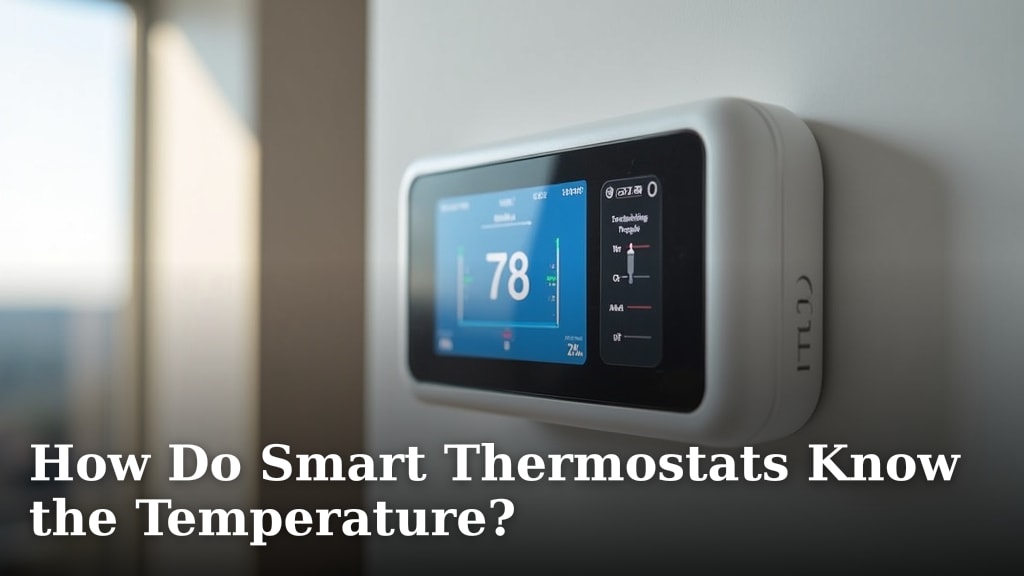
How Do Smart Thermostats Know the Temperature?
Smart thermostats know the temperature using tiny electronic sensors called thermistors. These sensors measure the heat in your home. They send this information to the thermostat’s main chip. This allows your thermostat to make smart decisions about your home’s climate. It helps you save money on energy bills.
These sensors are incredibly accurate. They are designed to detect even small changes in warmth. This is how your smart thermostat keeps your home feeling just right. It’s like having a personal weather station for your house. This technology helps you achieve better comfort and control.
- Smart thermostats use thermistors to measure temperature.
- These sensors are very precise and reliable.
- This data helps the thermostat adjust your heating and cooling.
- It leads to better comfort and energy savings.
Let’s dive into how these clever devices work to keep you comfortable and your energy bills down. We’ll break down the technology step-by-step.
“`htmlYou’re curious about how that smart thermostat in your home actually knows when to turn on the heat or AC, right? It’s not magic, but it is some pretty clever technology. At its core, your smart thermostat relies on tiny electronic components that act like its eyes and ears for temperature. Let’s get into the nitty-gritty of what makes these devices so smart about your home’s climate.
Understanding How Your Smart Thermostat Senses Heat
The main way your smart thermostat knows the temperature is through a small, sensitive component called a thermistor. Think of it as a tiny temperature detective working around the clock. It’s constantly measuring the heat or cold in the room where it’s located. This information is vital for the thermostat to do its job effectively.
What Exactly is a Thermistor?
A thermistor is a type of resistor whose electrical resistance changes significantly with temperature. There are two main types: NTC (Negative Temperature Coefficient) and PTC (Positive Temperature Coefficient). Most smart thermostats use NTC thermistors. This means as the temperature goes up, their resistance goes down, and vice-versa. This change is predictable and consistent, making them very useful for precise measurements.
The Science Behind the Thermistor
The core principle behind a thermistor involves how heat affects the movement of electrons within a material. When the temperature changes, the material’s electrical properties shift. Your thermostat measures this change in electrical resistance. It then translates that resistance value into a specific temperature reading. This process allows for very accurate detection of even slight temperature fluctuations. Research indicates thermistors can offer high accuracy over a wide temperature range (National Institute of Standards and Technology).
Why Thermistors Are Ideal for Thermostats
Thermistors are chosen for smart thermostats for several good reasons. First, they are highly accurate. They can detect changes as small as a tenth of a degree Fahrenheit. This precision is essential for maintaining consistent comfort. Second, they are relatively inexpensive, which helps keep the cost of the thermostat down. Third, they are very durable and have a long lifespan. They don’t have moving parts that can wear out. This reliability means your thermostat will keep working accurately for years to come.
Where is the Thermistor Located?
Typically, the thermistor is built directly into the thermostat unit itself. For most wall-mounted smart thermostats, it’s inside the main casing. This placement allows it to measure the ambient temperature of the room where the thermostat is installed. Some advanced systems might have multiple sensors in different rooms. These sensors communicate wirelessly with the main thermostat unit. This gives a more averaged or specific temperature reading for various areas of your home. We found that placement is key to accurate readings, so avoid placing your thermostat in direct sunlight or near heat sources.
The Thermostat’s Brain: Processing Temperature Data
Once the thermistor detects a temperature, it doesn’t just sit there. That raw data needs to be processed so your thermostat can act on it. This is where the thermostat’s internal circuitry and software come into play. It’s like the thermistor is the eyes, and the thermostat’s chip is the brain.
The Role of the Microprocessor
Every smart thermostat has a small computer chip, often called a microprocessor or microcontroller. This chip receives the electrical signal from the thermistor. It then converts this signal into a digital temperature reading. Think of it like translating a foreign language into something the thermostat can understand. This digital number is what you see on your thermostat’s display.
From Resistance to Degrees
The microprocessor uses a pre-programmed algorithm or lookup table. This table maps the specific resistance value from the thermistor to a corresponding temperature. For example, a certain resistance might equal 72°F, while a slightly different resistance equals 71.5°F. The accuracy of this conversion depends on the quality of the thermistor and the sophistication of the thermostat’s software. Many manufacturers calibrate these sensors carefully to ensure accuracy.
Making Smart Decisions with Temperature Data
Knowing the temperature is only half the battle. The real “smart” part comes from what the thermostat does with that information. It compares the current temperature to your desired setpoint. Your setpoint is the temperature you’ve told the thermostat you want your home to be.
Comparing Setpoint to Reality
Let’s say you want your home to be 70°F. If the thermistor reports that the room is currently 72°F, the thermostat knows the house is too warm. If it reports 68°F, it knows the house is too cool. This comparison is fundamental to how any thermostat works, smart or not. The intelligence comes from how it uses this comparison.
How Smart Thermostats Use This Data
Here’s where smart thermostats really shine. They don’t just react; they anticipate and learn. They use the temperature data in conjunction with other factors.
- Scheduling: Your thermostat knows your programmed schedule. If it’s set to lower the temperature at night, it will use the temperature reading to confirm if that change is needed.
- Learning: Many smart thermostats learn your habits over time. They observe when you adjust the temperature manually. They use this temperature data to refine their automated schedules. For instance, if you always turn up the heat around 6 AM, it might start doing so automatically. Many smart thermostats learn your habits over time, and our guide explains what a learning thermostat is and how it works.
- Remote Control: When you use an app to control your thermostat, you’re sending new setpoint commands. The thermostat receives this, compares it to the current temperature, and activates your heating or cooling.
- Energy Saving Features: Smart thermostats often use temperature data to implement energy-saving strategies. This can include “eco” modes or automatically adjusting the temperature when you’re away (based on geofencing or manual input).
- Humidity Integration: Some models also incorporate humidity sensors. They use temperature and humidity data to calculate the “feels like” temperature. This helps them manage your HVAC system for optimal comfort, not just raw temperature.
Beyond the Thermistor: Other Factors Affecting Readings
While the thermistor is the primary temperature sensor, a few other things can influence the readings your thermostat reports. Understanding these can help you ensure you’re getting the most accurate data. You wouldn’t want your thermostat to think it’s colder than it is, would you?
Environmental Influences
Direct Sunlight: If your thermostat is in a spot that gets direct sunlight for part of the day, the thermistor can be fooled. The sun’s rays will heat up the thermostat’s casing, causing it to register a higher temperature than the rest of the room. This might make your AC run more than necessary. Many experts recommend avoiding direct sunlight when choosing a thermostat location (Energy Star).
Drafts and Heat Sources: Similarly, placing a thermostat near a drafty window, a heating vent, or a heat-producing appliance (like a lamp or TV) can skew the temperature readings. The sensor might detect the localized heat or cold, leading to inaccurate adjustments. It’s like trying to measure the room temperature next to a roaring fireplace – the reading won’t represent the whole house!
Calibration and Accuracy
Even the best sensors can sometimes drift over time or have slight manufacturing variations. Reputable smart thermostat manufacturers go through rigorous testing and calibration processes. This ensures the thermistors are as accurate as possible right out of the box. Some thermostats even have built-in self-calibration features. This helps maintain accuracy over their operational life. We found that most consumer-grade smart thermostats are designed for excellent accuracy in typical home environments.
The Importance of Proper Installation
Correct installation is paramount for accurate temperature readings. A thermostat installed in an interior hallway, away from direct heat or drafts, will provide the most representative temperature of your home’s living space. If you’re unsure about placement, consulting the manufacturer’s guidelines or a professional HVAC technician is a smart move. Getting this right ensures your smart thermostat can truly work its magic.
Here’s a quick checklist to ensure your smart thermostat is sensing temperature accurately:
- Check thermostat placement: Is it away from direct sunlight?
- Avoid drafts: Ensure it’s not near windows or doors that leak air.
- Stay clear of heat sources: Keep it away from vents, lamps, or electronics.
- Clean the sensor area: Dust can sometimes insulate the sensor.
- Verify setpoint: Double-check that your desired temperature is entered correctly.
- Review learned behavior: See if the thermostat’s automatic adjustments match your comfort.
Conclusion
You’ve learned that your smart thermostat uses a thermistor to accurately measure your home’s temperature. This tiny sensor’s electrical resistance changes with heat, providing the data your thermostat needs. Its microprocessor then translates this into actionable information. This allows your thermostat to intelligently manage your heating and cooling based on your schedule and preferences. By understanding how this technology works and ensuring proper placement, you can maximize your home’s comfort and achieve greater energy savings. Take a moment to check your thermostat’s location today to ensure it’s getting the most accurate readings.
Frequently Asked Questions
Can a smart thermostat read the temperature in multiple rooms?
Some advanced smart thermostats can use optional wireless sensors placed in different rooms. These sensors communicate with the main unit, allowing it to gauge the temperature in various areas. This provides a more averaged or targeted approach to climate control throughout your home.
How often does a smart thermostat check the temperature?
Smart thermostats check the temperature very frequently, often multiple times per minute. This constant monitoring allows them to react quickly to changes and maintain your desired temperature precisely. This rapid checking is key to their efficiency and responsiveness.
What happens if my smart thermostat’s sensor is dirty?
If the thermistor’s sensing area is covered in dust or debris, it can insulate the sensor. This might cause it to read the temperature inaccurately, potentially making your home warmer or cooler than intended. Gently cleaning the thermostat’s exterior where the sensor is located can help ensure accuracy.
Does the placement of my smart thermostat really matter that much?
Yes, placement is very important for accurate readings. Placing your thermostat in direct sunlight, near a heat-generating appliance, or in a drafty area can fool the sensor. This leads to incorrect temperature measurements and less efficient operation of your HVAC system.
Can I calibrate my smart thermostat’s temperature sensor myself?
While some thermostats have self-calibration features, most user-facing options for calibration are limited. If you suspect your thermostat is consistently reading inaccurately, it’s best to consult the manufacturer’s manual or contact their support. They can guide you on potential troubleshooting or if professional adjustment is needed.