How to Fill a Humidifier
To fill a humidifier, turn it off, remove the tank or open the top, add water to the marked line, and close it securely before restarting. The exact steps depend on whether your unit has a top-fill opening or a removable tank.
On this page (8 sections)
- How do you fill a top-fill humidifier?
- How do you fill a humidifier with a removable tank?
- What should you check before turning the humidifier back on?
- How much water should you put in a humidifier?
- Should you clean a humidifier before refilling it?
- What mistakes should you avoid when filling a humidifier?
- How do you choose the right humidifier filling style?
- What is the correct way to fill a humidifier?
To fill a humidifier, turn it off, open the tank or top-fill lid, add water to the maximum line, and secure every cap before restarting. Keep water away from the controls, cord, plug, and the outside of the unit.
A refill is also a good time to check for residue, a misplaced gasket, or a filter that needs attention. For broader room-humidity advice, see this guide to humidifiers for dry air.
How do you fill a top-fill humidifier?
A top-fill humidifier is filled through an opening on the top of the unit without removing the tank. Turn it off, open the fill cover, pour water slowly to the marked line, close the cover, and wipe away any drips.
Follow these steps:
- Turn off the humidifier.
- Open the top-fill cover or water opening.
- Pour water slowly into the tank.
- Stop at the maximum fill mark.
- Close the cover until it sits securely.
- Dry the outside before turning the unit back on.
Keep the pour stream controlled near the opening. If water runs toward the display, buttons, air outlet, or power connection, stop and wipe the unit before using it.
Top-fill designs can be useful when lifting a full tank would be difficult. If you are comparing models, our guide to the best top fill humidifier options explains what to check before choosing one.
How do you fill a top-fill humidifier without spilling?
Pour slowly and use a container with a controlled spout. Stop before the maximum line if the water is moving because of an uneven surface, then place the cover back carefully.
Don't carry a top-fill humidifier after adding water unless its instructions allow it. A full reservoir can be heavy, and moving it may send water into areas that should stay dry.
For shoppers who want fewer refills, compare the practical trade-offs in the guide to a top fill humidifier large capacity model. A larger reservoir still needs a safe, level placement area.
How do you fill a humidifier with a removable tank?
A removable-tank humidifier is filled by lifting out the tank, opening its cap, adding water, and returning it to the base. Turn the unit off first, and carry the tank with both hands if it feels heavy.
Use this sequence:
- Switch off the humidifier.
- Lift the tank straight from the base.
- Turn the tank over only if its instructions require it.
- Remove the cap and check the seal.
- Add water to the maximum mark.
- Replace and tighten the cap.
- Check for leaks around the cap.
- Return the tank to the base.
- Confirm that it sits flat before restarting.
Do not force the tank into position. If it rocks, leaks, or leaves water around the base, remove it and check the cap, gasket, and seating area.
If you own a Honeywell model, use the more specific guide to how to fill a Honeywell humidifier, since tank shapes and caps vary between units.
What should you check before turning the humidifier back on?
The tank should be closed, stable, and free of outside drips before you restart the humidifier. The power cord and outlet should also be dry.
Check the water level, cap, lid, and tank position. Confirm that the mist outlet is not blocked by a wall, shelf, curtain, or other nearby object.
If the humidifier has a filter, wick, or water panel, follow its replacement schedule. For wick-based options, compare evaporative humidifiers for home.
A refill cannot correct a worn or clogged part.
The best humidifier filter replacement guide can help you compare replacement parts by type. Levoit owners can also review this guide to Levoit humidifier filter replacement before ordering a filter.
How much water should you put in a humidifier?
Add enough water to reach the marked fill line, but never exceed the maximum level. The line is more useful than judging by the tank's shape because the safe amount varies by model.
If the line is hard to see, use a flashlight rather than filling by guesswork. Place the tank on a level surface while checking it, and keep the opening visible as you pour.
A humidifier may use water faster on a higher mist setting or during longer operation. Check it at the same time each day until you learn its normal refill pattern.
A large tank may reduce how often you refill, but it can also be heavier to lift. Choose a design that you can remove, carry, and clean safely.
Should you clean a humidifier before refilling it?
Clean the humidifier according to its manual before refilling if you see residue, odor, or standing water. Turn it off and unplug it before cleaning any part that can contact water or electricity.
Empty old water instead of adding fresh water on top of it. Rinse removable parts as directed, let them dry where required, and never mix cleaning chemicals.
For warm-mist care and operation, see how to use a Vicks warm mist humidifier. Warm-mist units can have different cleaning and handling instructions, so use the model manual as the final guide.
Does a whole-house humidifier need a tank refill?
Many whole-house humidifiers connect to a water supply instead of using a portable tank. Their water panels, pads, valves, and controls need maintenance, but the homeowner may not refill a removable reservoir.
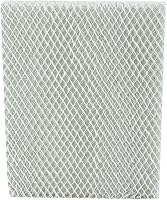
The Honeywell Home HC26P Whole House Humidifier Pad is a paper humidifier pad sized 10 x 13 x 1.5 inches. It is compatible with Honeywell Home HE200, HE250, HE260, HE265, HE280, HE300, HE360, and HE365 models, and Honeywell Home says to change it twice a year.
For compatible AprilAire models, the AprilAire 10 Water Panel Humidifier Filter Replacement is a pack of 2. Each panel measures 9.5 x 9.75 x 1.75 inches and uses aluminum mesh with a porous, ceramic-type coating for the evaporation process.
A water-control problem is different from a refill problem. The AprilAire 4040 Solenoid Valve is a 24-volt part for specified AprilAire whole-house humidifier models, including 400, 500, 600, 700, 760, and related model variants.
It includes an in-line strainer, compression sleeve, and compression nut.
Check your exact model before choosing a replacement part. The model number, component type, and connection details should match the humidifier you maintain.
What mistakes should you avoid when filling a humidifier?
Avoid overfilling, adding water while the unit runs, carrying an unsecured tank, and leaving water on electrical parts. These mistakes can cause spills or prevent the humidifier from operating correctly.
Don't add oils, fragrance, or disinfectant to the tank unless the instructions specifically allow it. Don't use a tank with a cracked cap, damaged seal, or leak around the base.
Empty unused water when the manual calls for it. Standing water can leave residue, and a dirty tank can affect the air released into the room.
How do you choose the right humidifier filling style?
Choose a top-fill humidifier if pouring water into the unit is easier than lifting a tank. Choose a removable-tank design if you prefer to carry the reservoir to a sink and fill it there.
Measure the space around the humidifier before buying. Leave room to open a top lid or lift out a tank, and keep the unit on a stable, water-resistant surface.
The right choice depends on your lifting comfort, sink access, cleaning routine, and daily refill needs. A simple filling method is useful only if you can also keep the tank and base clean.
What is the correct way to fill a humidifier?
For how to fill a humidifier, turn it off, use the correct opening, stop at the maximum line, secure the tank or cover, and dry the outside before restarting. Top-fill models are poured into place, while removable tanks are taken to a sink and reseated afterward.
Pick top fill if lifting a full tank is inconvenient. Pick a removable tank if sink filling and carrying are easy for you.
For both styles, use the water type, cleaning method, and maintenance schedule in the humidifier manual.
Frequently asked questions
How often should you fill a humidifier?
Fill a humidifier whenever the water reaches its low mark or the unit stops producing mist because the tank is empty. The interval depends on the tank size, mist setting, room conditions, and runtime.
Check the water level daily when you first start using a humidifier.
Can you fill a humidifier while it is running?
Turn off the humidifier before opening a tank or adding water. Unplug a removable-tank model if its instructions require it, then refill on a level, dry surface.
Restart only after the cap, tank, and water opening are seated correctly and the outside is dry.
Should you fill a humidifier to the top?
Fill the humidifier only to its marked maximum line. Leaving room above the water helps prevent spills when you carry a removable tank or close a top-fill lid.
Never guess the fill level if the mark is hidden, and follow the model's instructions.
What water should you use in a humidifier?
Use the water type recommended in your humidifier manual. Some models have specific guidance about tap, filtered, or distilled water.
Avoid adding fragrance, oils, or cleaning products unless the manufacturer specifically says the unit supports them.