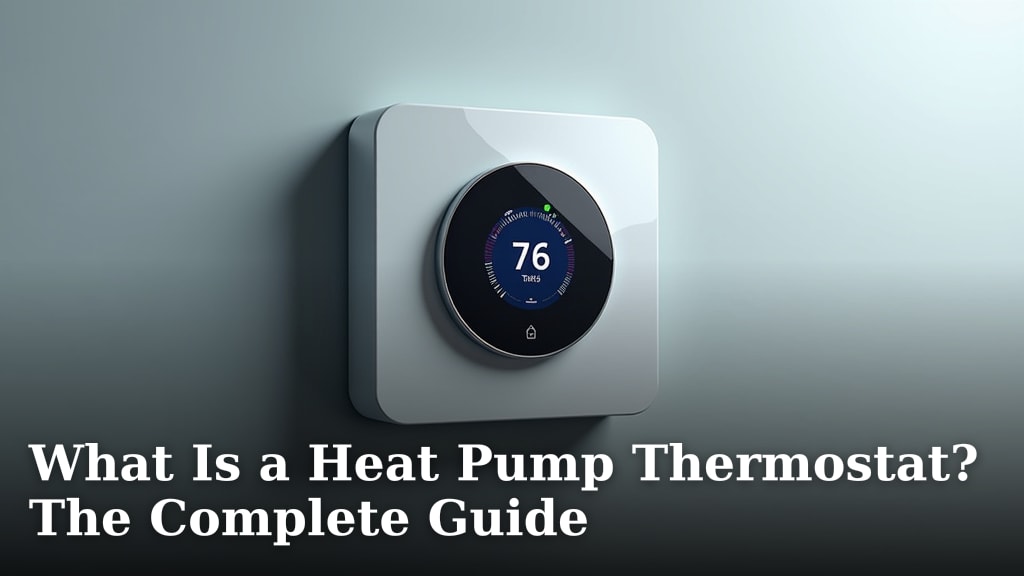
What Is a Heat Pump Thermostat? The Complete Guide
A heat pump thermostat is a smart control device designed specifically for heat pump heating and cooling systems. It helps manage your home’s temperature more efficiently than a standard thermostat. You’ll want one if your home uses a heat pump for climate control.
These thermostats do more than just set a temperature. They understand how your heat pump works, including its different modes like heating and cooling. This allows for smarter energy savings and better comfort. Many homeowners find they can reduce their utility bills with the right setup.
- A heat pump thermostat controls heating and cooling.
- It’s designed for heat pump systems.
- It helps save energy.
- It improves home comfort.
- It’s different from a regular thermostat.
Let’s walk through exactly what a heat pump thermostat is and why it’s a smart choice for your home.
Understanding Your Heat Pump Thermostat
So, what exactly makes a heat pump thermostat different from the one you might have used before? It all comes down to how your home’s heating and cooling system actually works. Your heat pump is a clever device. It doesn’t generate heat like a furnace. Instead, it moves heat. It can move heat into your home during winter and out of your home during summer.
A heat pump thermostat is designed to speak the same language as your heat pump. It knows when to switch between heating and cooling modes. It also understands how to manage the two stages of heating (if your system has them). This makes it a more intelligent controller for your home’s climate. Think of it as the brain specifically built for your heat pump’s unique functions.
How Heat Pumps Differ from Furnaces
This difference is key to understanding why a special thermostat is needed. A furnace creates heat by burning fuel or using electric resistance. It’s a straightforward process: turn it on, and it makes heat. A heat pump, on the other hand, acts like a reversible air conditioner. In winter, it extracts heat from the outside air (even cold air!) and transfers it inside.
In summer, it reverses this process, moving heat from your indoor air to the outside. This “heat transfer” method is generally more energy-efficient than generating heat from scratch. However, it operates differently, and a standard thermostat might not be able to manage its modes correctly. This can lead to inefficiency and discomfort.
The Role of a Heat Pump Thermostat
Your heat pump thermostat’s main job is to tell your heat pump what to do and when to do it. It monitors the indoor temperature. Then, it compares that to the temperature you’ve set. Based on this comparison, it signals your heat pump to either heat, cool, or do nothing.
But here’s where the “heat pump” part comes in: it knows how to manage the special features of these systems. This includes things like the auxiliary heat setting. Auxiliary heat is often electric resistance heat. It’s used when the heat pump needs help keeping up on very cold days. A good heat pump thermostat manages this switch automatically and efficiently.
Key Features of Heat Pump Thermostats
You’ll find several features on heat pump thermostats that make them stand out. These aren’t just fancy additions; they are built to optimize how your heat pump runs. Understanding these can help you appreciate why upgrading is a good idea.
Mode Selection: Heat, Cool, Auto
Like many thermostats, heat pump models have modes for heating and cooling. The “Heat” mode keeps your home warm. The “Cool” mode keeps it cool. The “Auto” mode is where things get interesting for heat pump owners.
In “Auto” mode, the thermostat will automatically switch between heating and cooling. It does this based on your set temperature range. For instance, if you set it to keep your home between 68°F and 72°F, it will turn on heating if the temperature drops below 68°F. It will turn on cooling if it rises above 72°F. This convenience feature is standard on most heat pump thermostats.
Auxiliary Heat (Emergency Heat) Management
This is a critical function. Heat pumps can struggle to extract enough heat from very cold outside air. When this happens, they might rely on a backup heat source, often called auxiliary heat or emergency heat. This is usually electric resistance coils, similar to a space heater.
Your heat pump thermostat is programmed to know when to activate this auxiliary heat. It does so intelligently to avoid unnecessary energy costs. It typically only engages auxiliary heat when the main heat pump can’t keep up, or when the outdoor temperature drops below a certain point (often called the balance point). It can also be set to use auxiliary heat if the heat pump fails.
Some thermostats allow you to set a specific temperature threshold for when auxiliary heat engages. Others might have built-in logic based on efficiency. The goal is to use the efficient heat pump as much as possible and only use the less efficient auxiliary heat when absolutely necessary.
Two-Stage Heating Control
Many heat pumps are “two-stage” systems. This means they have a low-speed and a high-speed setting for heating. The low-speed setting is enough for most heating needs and is more efficient. The high-speed setting kicks in for colder temperatures or when you need to quickly raise the temperature.
A heat pump thermostat designed for these systems can manage these two stages. It will first try to use the more efficient low-speed stage. Only if the temperature continues to drop will it engage the higher-speed stage. This ensures consistent comfort and better energy savings compared to systems that just blast full heat.
Smart Features and Connectivity
Many modern heat pump thermostats are “smart.” This means they can connect to your home Wi-Fi network. This connection opens up a world of possibilities.
- Remote Control: You can adjust your home’s temperature from anywhere using a smartphone app.
- Learning Capabilities: Some smart thermostats learn your habits over time. They adjust the schedule automatically to save energy when you’re away or asleep.
- Energy Reports: You can often view detailed reports on your heating and cooling usage. This helps you identify where you can save more.
- Integration with Smart Home Systems: They can work with other smart devices like voice assistants (Alexa, Google Assistant).
These smart features go beyond basic temperature control. They offer enhanced convenience and can lead to significant reductions in energy bills. For example, if you forget to adjust the thermostat before leaving for vacation, you can do it remotely.
Why You Need a Dedicated Heat Pump Thermostat
You might be wondering if you can use a regular thermostat with your heat pump. While some basic models might technically “work,” they won’t be able to manage the system’s unique needs. This can lead to problems.
Preventing System Damage and Inefficiency
Using the wrong thermostat can cause your heat pump to run inefficiently. It might also lead to issues like “short cycling,” where the system turns on and off too frequently. This can put extra wear and tear on the equipment. For example, a standard thermostat might tell the heat pump to run its auxiliary heat unnecessarily. This wastes a lot of energy because auxiliary heat is often much more expensive to run than the heat pump itself.
A proper heat pump thermostat ensures the system operates within its designed parameters. It knows the right temperatures for switching modes and activating auxiliary heat. This protects your investment and keeps your system running smoothly for longer.
Maximizing Energy Savings
Heat pumps are chosen for their energy efficiency. Using a thermostat that fully understands how to operate the heat pump is crucial to realizing those savings. A dedicated thermostat can:
- Optimize the use of the main heat pump before resorting to auxiliary heat.
- Allow for precise temperature control, avoiding overheating or overcooling.
- Enable smart scheduling and remote adjustments to reduce energy use when not needed.
Research and findings suggest that upgrading to an energy-efficient thermostat can lead to noticeable savings. Many homeowners find their utility bills drop by 10-15% or more. This is especially true when pairing a smart thermostat with a high-efficiency heat pump.
Improving Home Comfort
Beyond savings, the right thermostat ensures your home stays at the temperature you want. It provides more consistent heating and cooling. It avoids the sudden temperature swings that can occur with less sophisticated controls.
Think about those times when your heating system might kick on full blast, making your home too hot. Or when the cooling feels uneven. A heat pump thermostat helps prevent these common comfort issues. It manages the system’s stages and modes for a more stable indoor environment.
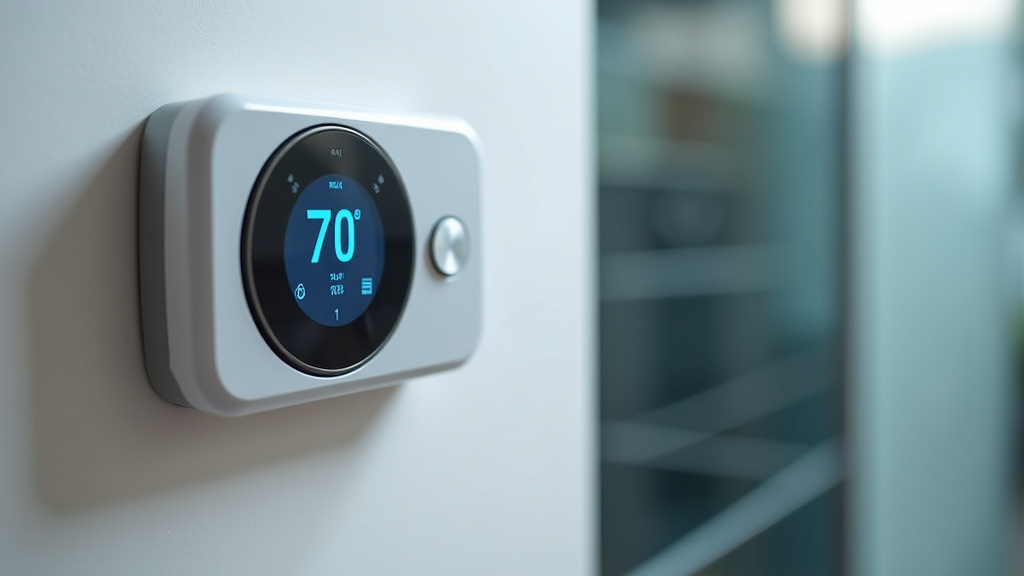
Choosing the Right Heat Pump Thermostat
When you’re ready to select a thermostat, consider a few key factors. The best choice for you will depend on your heat pump system and your personal preferences.
Compatibility Check
First, ensure the thermostat is compatible with your specific heat pump system. Most thermostats will clearly state if they are designed for heat pumps. They will also indicate if they can handle multi-stage systems or auxiliary heat configurations. Always check the product specifications or consult with an HVAC professional.
Basic vs. Smart Features
Decide how much technology you want. A basic digital thermostat will offer reliable control for your heat pump. A smart thermostat, however, will provide more advanced features like remote access, learning capabilities, and energy reporting.
If you’re tech-savvy and want maximum control and potential savings, a smart thermostat is likely the way to go. If you prefer simplicity and just want reliable temperature management, a good digital model will serve you well.
User Interface and Installation
Consider how easy the thermostat is to use. A clear display and intuitive controls make a big difference. For installation, many smart thermostats are designed for DIY installation. However, if you’re not comfortable with wiring, it’s always best to hire a qualified HVAC technician. Getting it installed correctly ensures it functions as intended.
Checklist for Your New Thermostat
Before you buy, ask yourself these questions:
- Is it compatible with my heat pump system?
- Does it support auxiliary heat and multi-stage operations?
- Do I want basic control or advanced smart features?
- Is the user interface easy for me to understand?
- Am I comfortable with DIY installation, or will I need professional help?
- Does it offer energy monitoring or learning capabilities if I want them?
Conclusion
You’ve learned that a heat pump thermostat is essential for your home’s climate control. It’s designed to work with your heat pump’s unique heating and cooling functions. This specialized control helps prevent system issues and maximizes energy efficiency. Choosing the right one can lead to better comfort and lower utility bills. Take the next step by checking your current thermostat’s compatibility and deciding if smart features are right for your needs. This small upgrade can make a big difference in your home’s efficiency.
Frequently Asked Questions
Can I use a regular thermostat with my heat pump?
While some basic thermostats might technically connect, they won’t manage your heat pump effectively. Standard thermostats lack the programming to handle your heat pump’s special modes, like auxiliary heat. Using the wrong one can lead to inefficiency and potentially damage your system.
What is auxiliary heat and how does the thermostat control it?
Auxiliary heat is a backup heating source, often electric resistance, used when the main heat pump can’t keep up in very cold weather. Your heat pump thermostat intelligently manages when this kicks in, aiming to use the more efficient heat pump as much as possible and only engaging auxiliary heat when truly necessary to save energy.
How do smart heat pump thermostats help save energy?
Smart thermostats offer remote control via smartphone apps, allowing you to adjust temperatures when away. Many also learn your schedule and adjust automatically, reducing energy use when you’re asleep or out. They often provide energy reports to help you see where you can save more.
Will a heat pump thermostat really lower my energy bills?
Yes, research and user experience show that a properly functioning heat pump thermostat can lower energy bills. By ensuring your heat pump runs efficiently and auxiliary heat is used sparingly, you can see noticeable savings, often around 10-15% or more compared to older or incompatible systems.
How do I know if a thermostat is compatible with my heat pump?
Check the thermostat’s product packaging or specifications. It should clearly state that it is designed for heat pump systems and mention support for features like auxiliary heat and multi-stage operation. If unsure, consult your heat pump’s manual or an HVAC professional.