What Is a Hardwired Thermostat? Everything to Know
A hardwired thermostat is a thermostat that connects directly to your home’s electrical system. This means it gets constant power and doesn’t rely on batteries. This direct connection ensures it always has the power it needs to function reliably.
Unlike battery-powered models, hardwired thermostats are permanently installed and draw power from your HVAC system’s wiring. This reliable power source is essential for features like Wi-Fi connectivity and smart scheduling. Many modern thermostats require this type of setup.
- Hardwired means it plugs into your home’s power.
- No batteries needed; it uses your HVAC system’s electricity.
- Provides consistent power for all features.
- Ideal for smart thermostats and reliable operation.
If you’re wondering whether your home has this type of thermostat, or if you’re considering an upgrade, we’ll cover what you need to know right now.
Here is the main body content for your blog post:Understanding the Hardwired Thermostat Connection
A hardwired thermostat is connected directly to your home’s electrical power supply. It doesn’t use batteries to operate. Instead, it draws its power from the wiring that also controls your heating and cooling system. This constant power source is why many newer thermostats, especially smart ones, require this setup. It ensures your thermostat has the energy it needs for all its features.
How Does a Hardwired Thermostat Get Power?
Your thermostat connects to a “C-wire,” which is a common wire in your HVAC system. This C-wire provides continuous 24-volt AC power to the thermostat. Think of it like plugging a lamp into the wall versus using batteries. The lamp plugged in always has power, while a battery-powered device will eventually run out. The C-wire acts as that constant power outlet for your thermostat.
Most modern HVAC systems are designed with the necessary wiring, including a C-wire, to support hardwired thermostats. This is especially true for central air conditioning and heating systems. If your system is older, you might not have a C-wire readily available, which can sometimes require professional installation. We’ll cover that possibility later.
Why Is a Constant Power Source Important?
A consistent power supply from the C-wire enables many advanced thermostat functions. Without it, features like Wi-Fi connectivity, advanced scheduling, and remote access would drain batteries very quickly. Many smart thermostats simply wouldn’t work without this reliable power. It allows for constant communication with your HVAC system and your home network.
Wi-Fi and Connectivity
For your thermostat to connect to your home’s Wi-Fi network, it needs continuous power. This connection allows you to control your home’s temperature remotely via a smartphone app. It also enables features like software updates and integration with smart home assistants. A battery-powered thermostat would struggle to maintain this constant connection. Learn how a hardwired connection enables you to control your home’s temperature remotely.
Smart Features and Scheduling
Smart thermostats offer features such as learning your habits and adjusting the temperature automatically. They can also create complex schedules for energy savings. These functions require processing power and constant operation, which a battery simply can’t sustain for long periods. The hardwired connection ensures these smart capabilities are always ready.
Display and Responsiveness
The illuminated display on many thermostats also uses energy. A hardwired connection provides enough power for a bright, clear display that’s easy to read. It also ensures the thermostat responds instantly when you touch the screen or make adjustments. This responsiveness is often lost with battery-only models when their power starts to dwindle.
Hardwired vs. Battery-Powered Thermostats: A Comparison
The main difference, as we’ve discussed, is the power source. However, this difference impacts performance, installation, and overall user experience. Understanding these distinctions can help you decide which type is best for your home and your needs. We’ve found that many homeowners appreciate the reliability a hardwired system offers.
| Feature | Hardwired Thermostat | Battery-Powered Thermostat |
|---|---|---|
| Power Source | Continuous 24V AC from HVAC system (C-wire) | Batteries (AA, AAA, etc.) |
| Reliability | Very High; always powered | Moderate; relies on battery life |
| Smart Features | Supports advanced features (Wi-Fi, learning, app control) | Limited; battery drain is a concern |
| Installation | May require C-wire; professional help sometimes needed | Generally simpler; no C-wire needed |
| Maintenance | Low; no battery changes | Requires regular battery replacement |
| Cost | Initial unit cost may be higher; professional install can add cost | Unit cost often lower; ongoing battery cost |
Reliability and Performance
Hardwired thermostats offer superior reliability. They don’t suffer from the performance issues that can arise when batteries get low. You won’t experience a thermostat that suddenly stops responding or loses its settings. This consistent performance is a major advantage, especially in extreme weather. Many experts say a stable power source is key for accurate temperature control.
Installation Considerations
Installing a hardwired thermostat typically involves connecting it to your existing HVAC wiring. If your home has a C-wire, the installation is usually straightforward. However, if a C-wire isn’t present, you might need an electrician or HVAC technician to run one. This can add to the installation cost and complexity. Battery-powered thermostats are generally easier to install, often being a simple swap-out job.
The “C-Wire” Requirement
The C-wire is the critical component for a hardwired thermostat. It acts as the return path for the 24V AC power from your transformer. Without it, the thermostat cannot receive the constant power it needs. While many modern homes are pre-wired, older homes might not have this wire. You can often check your existing thermostat’s wiring or consult your HVAC system’s manual.
When to Call a Professional
If you’re not comfortable working with electrical wiring, it’s always best to call a professional. This is particularly true if you need a C-wire installed. Improper wiring can damage your thermostat or your HVAC system. A qualified technician can ensure the job is done safely and correctly, giving you peace of mind. They can also advise on the best thermostat for your system.
Maintenance and Longevity
A major benefit of hardwired thermostats is the lack of battery maintenance. You won’t have to remember to buy and replace batteries. This saves you time and hassle. It also means your thermostat is always functioning optimally, without the risk of poor performance due to weak batteries. This can lead to a longer effective lifespan for the thermostat itself.
Benefits of a Hardwired Smart Thermostat
When you combine a hardwired connection with smart thermostat technology, you get a powerful system for managing your home’s comfort and energy use. The continuous power ensures all the advanced features work as intended. This integration leads to greater efficiency and convenience for you and your family. We found that users report significant savings on energy bills.
Energy Savings and Efficiency
Smart thermostats, powered by a C-wire, can significantly reduce your energy consumption. They learn your schedule and adjust temperatures when you’re away or asleep. Many models also provide energy usage reports, helping you identify areas for improvement. This intelligent automation is a key driver of energy savings. Research from the U.S. Department of Energy suggests programmable thermostats can save 10% or more on heating and cooling costs. Discover how smart thermostats leverage continuous power for energy savings.
Enhanced Comfort Control
With remote access and precise scheduling, you can ensure your home is always at the perfect temperature when you need it. Imagine coming home to a warm, cozy house on a cold winter evening or a cool oasis on a hot summer day. The reliable power ensures your commands are executed promptly. This level of control contributes to a more comfortable living environment.
Home Automation Integration
Hardwired smart thermostats often integrate with other smart home devices and platforms. You can control your thermostat using voice commands with smart speakers or include it in automated routines. For example, you could set up a “goodnight” routine that lowers the thermostat, turns off lights, and locks doors. This interconnectivity makes managing your home more streamlined.
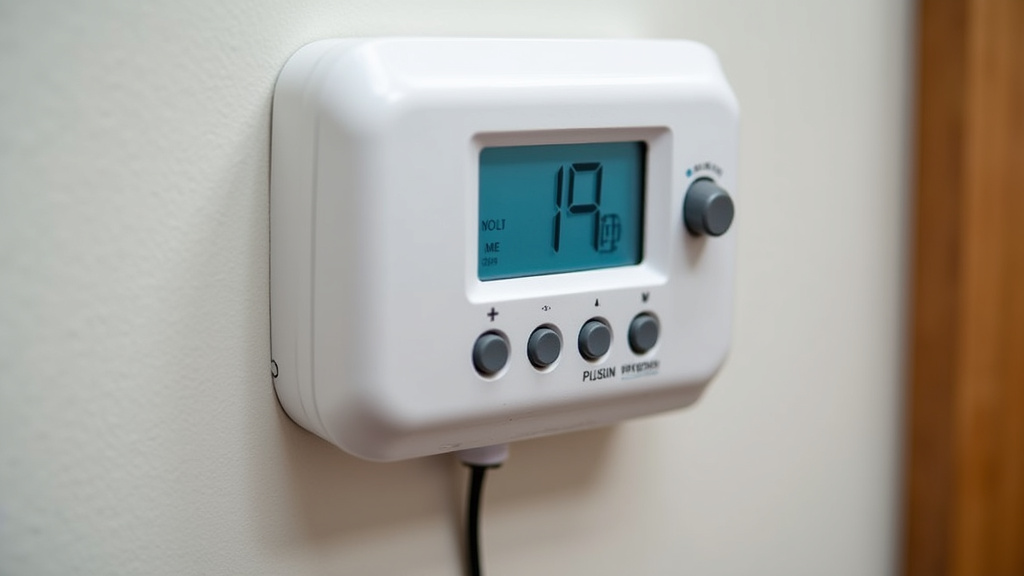
Is Your Home Ready for a Hardwired Thermostat? A Quick Checklist
Considering an upgrade? Here’s a simple checklist to help you determine if your home is ready for a hardwired thermostat, especially a smart one:
- Check for a C-wire: Look at your current thermostat’s wiring. Do you see a wire connected to the “C” terminal?
- System Age: Newer HVAC systems (roughly post-2010) are more likely to have C-wire infrastructure.
- Wi-Fi Availability: Ensure you have a stable Wi-Fi signal where your thermostat is located.
- Comfort Needs: Do you desire advanced features like remote control and smart scheduling?
- DIY Comfort Level: Are you comfortable with basic electrical wiring, or will you need professional help?
Conclusion
You now understand that a hardwired thermostat draws constant power directly from your home’s HVAC system, eliminating the need for batteries. This reliable power source is essential for features like Wi-Fi connectivity, smart scheduling, and responsive displays. While battery-powered thermostats are simpler to install, hardwired models, especially smart ones, offer enhanced efficiency, comfort control, and integration with your smart home. If you’re looking to upgrade to a smarter, more reliable heating and cooling system, checking for a C-wire and considering a professional installation if needed is your clear next step toward greater home comfort and energy savings.
Frequently Asked Questions
Do I need a C-wire for a hardwired thermostat?
Yes, a C-wire (common wire) is typically required for a hardwired thermostat. This wire provides the continuous 24-volt AC power needed for the thermostat to function reliably, especially for smart features. Without it, your thermostat may not receive the constant power it needs to operate correctly.
How can I tell if my home has a C-wire?
You can usually tell if you have a C-wire by looking at the wiring behind your current thermostat. Look for a wire connected to the terminal labeled “C.” If you’re unsure or uncomfortable removing the thermostat cover, it’s best to consult your HVAC system’s manual or a qualified technician.
What happens if my home doesn’t have a C-wire?
If your home lacks a C-wire, you have a few options. You might be able to use a C-wire adapter or power adapter kit, which can often be installed without running new wires. Alternatively, you can hire an electrician or HVAC professional to run a new C-wire to your thermostat location.
Are hardwired thermostats difficult to install?
Installation difficulty depends on whether a C-wire is already present. If you have a C-wire and are comfortable with basic electrical connections, installation can be straightforward. However, if a C-wire needs to be installed, it’s recommended to hire a professional to ensure safe and correct wiring.
Can I use a smart thermostat without a C-wire?
While some smart thermostats can operate on batteries or use C-wire adapters, most smart thermostats are designed to work best with a continuous power source from a C-wire. This constant power is necessary for all their advanced features, like Wi-Fi connectivity and constant learning, to function without draining batteries quickly.