What Is the Function of a Thermostat? Here’s the Answer
A thermostat’s main job is to act as the brain of your home’s heating and cooling system. It senses the temperature inside and tells your furnace or air conditioner when to turn on or off. This keeps your home at your desired comfort level automatically, saving you energy and money.
Think of it like a thermostat-controlled gatekeeper for your home’s climate. When the temperature drops too low, it signals for heat. When it gets too warm, it calls for cooling. Many modern thermostats also offer smart features for greater control and efficiency.
- Thermostats control your home’s heating and cooling.
- They sense room temperature and signal your HVAC system.
- This maintains your set comfort level automatically.
- Smart thermostats offer advanced energy-saving features.
Let’s walk through exactly how this simple device keeps your home comfortable all year round.
How Your Thermostat Manages Home Comfort
Your thermostat is the command center for your home’s climate. It works by sensing the air temperature around it. Then, it tells your heating or cooling equipment when to turn on and off. This keeps your living space at the temperature you prefer, automatically and without you having to constantly adjust it. Think of it as a thermostat-controlled gatekeeper for your home’s climate. When the temperature drops too low, it signals for heat. When it gets too warm, it calls for cooling. Many modern thermostats also offer smart features for greater control and efficiency.
Understanding the Basic Thermostat Function
At its core, a thermostat has a simple but vital job. It needs to know the current room temperature. It also needs to know the temperature you want the room to be. When these two temperatures don’t match, it takes action. This is the fundamental principle behind how any thermostat works, from the oldest mechanical models to the newest smart ones.
Sensing the Temperature
How does a thermostat know the temperature? Older models often used a bimetallic strip. This is made of two different metals bonded together. As the temperature changes, the metals expand or contract at different rates. This causes the strip to bend. This bending action would then make or break an electrical connection. Modern thermostats use electronic sensors. These are more accurate and faster. They convert temperature into an electrical signal. This signal is then read by the thermostat’s internal processor.
Comparing Temperatures and Sending Signals
Once the thermostat knows the current temperature, it compares it to your desired temperature setting. This desired temperature is often called the “setpoint.” If the room is colder than the setpoint, and you have your heat on, the thermostat sends a signal to your furnace. It’s like saying, “Hey, turn on the heat!” If the room is warmer than the setpoint, and your air conditioner is on, it sends a signal to your AC. This signal tells it to start cooling.
The Role of the HVAC System
Your heating, ventilation, and air conditioning (HVAC) system is the workhorse. The thermostat is simply the director. When the thermostat sends its “on” signal, your furnace or air conditioner kicks into gear. It begins heating or cooling your home. Once the room temperature reaches your setpoint, the thermostat senses this. It then sends another signal. This signal tells the HVAC system to turn off. This on-and-off cycle continues throughout the day, maintaining your comfort level.
Different Types of Thermostats and How They Work
While the basic function remains the same, thermostats have evolved. You’ll find a few main types available today. Each offers different levels of control and features. Understanding these differences can help you choose the best fit for your home.
Mechanical Thermostats
These are the original thermostats. You’ve likely seen them with a dial or lever you move to set the temperature. Inside, the bimetallic strip mentioned earlier is key. When the strip bends enough, it physically connects or disconnects electrical contacts. These contacts control the flow of power to your HVAC system. They are simple and reliable but lack precision. They can also be affected by drafts or direct sunlight, leading to less accurate temperature readings. Many older homes still have these.
Digital/Programmable Thermostats
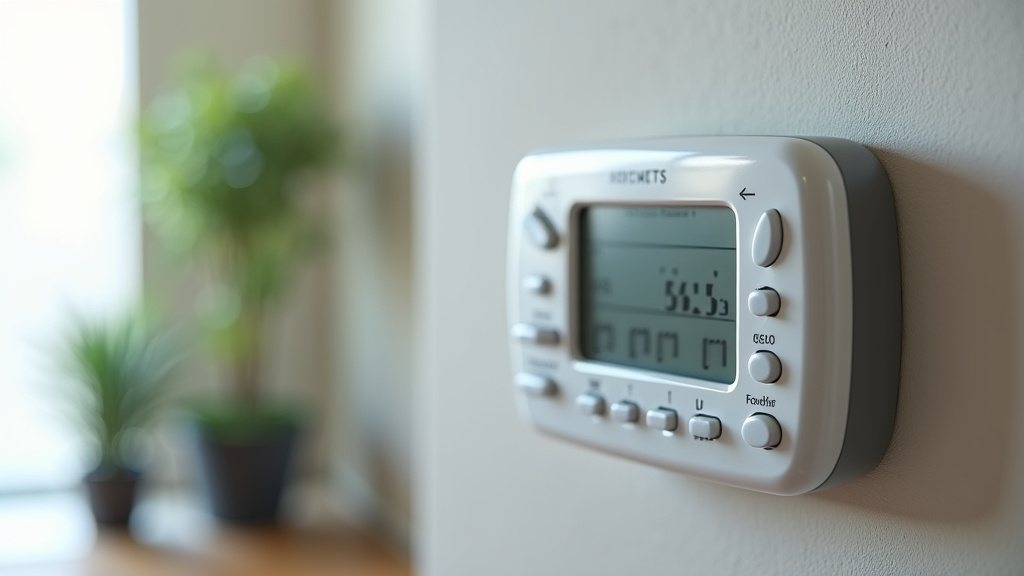
These thermostats use digital displays and buttons. They offer much more precise temperature control than mechanical models. The main advantage is programmability. You can set different temperatures for different times of the day or days of the week. For example, you might set it cooler when you’re asleep or away at work. Then, you can set it warmer for when you’re home and awake. This automatic adjustment saves energy. It also helps keep your home comfortable without constant manual changes. Research shows that programmable thermostats can reduce heating and cooling costs by about 10% (U.S. Department of Energy).
Smart Thermostats
Smart thermostats take programmability to the next level. They connect to your home’s Wi-Fi network. This allows you to control them remotely using a smartphone app. You can adjust the temperature from anywhere. Many smart thermostats also learn your habits over time. They can automatically create schedules based on when you’re typically home or away. Some can even sense when you’ve left the house using geofencing. They then adjust the temperature to save energy. Others can monitor weather patterns and adjust your home’s climate accordingly. Energy Star reports that smart thermostats can save homeowners an average of 8% on heating and cooling costs annually.
Remote Control and Learning Capabilities
The ability to control your thermostat from your phone is incredibly convenient. You can turn on the AC on your way home from work. Or, you can adjust the heat if you’re on vacation and a cold snap is predicted. The learning feature is a standout for many users. The thermostat gathers data on your temperature preferences and daily routines. After a week or two, it starts suggesting or implementing energy-saving schedules. This removes the guesswork from programming. It ensures your home is comfortable when you need it to be.
Energy Monitoring and Smart Home Integration
Many smart thermostats provide detailed energy usage reports. You can see how much energy your HVAC system is using. This data helps you make more informed decisions about your settings. They also often integrate with other smart home devices. You might be able to control your thermostat with voice commands through systems like Amazon Alexa or Google Assistant. This level of connectivity offers a highly personalized and efficient home climate experience.
Key Benefits of Using a Thermostat Effectively
Using your thermostat correctly, regardless of its type, brings several advantages. It’s not just about comfort; it’s also about efficiency and cost savings.
Maintaining Consistent Comfort
The primary goal of a thermostat is to keep your home at your desired temperature. By accurately sensing the room’s climate, it ensures you don’t experience uncomfortable hot or cold spots. This consistent comfort makes your home a more pleasant place to be.
Saving Energy and Reducing Bills
A well-functioning thermostat, especially a programmable or smart one, is a powerful energy saver. By avoiding unnecessary heating or cooling when you’re not home or asleep, you significantly reduce energy consumption. This directly translates to lower utility bills. The U.S. Environmental Protection Agency (EPA) highlights that proper thermostat use can lead to substantial savings.
Extending HVAC System Lifespan
When your HVAC system cycles on and off appropriately, it experiences less wear and tear. Frequent, drastic temperature changes or the system running constantly can shorten its lifespan. A thermostat that accurately maintains your setpoint helps your HVAC equipment run more efficiently and smoothly. This can potentially delay the need for costly repairs or replacements.
A Quick Checklist for Thermostat Use
Here are a few simple tips to make sure your thermostat is working for you:
- Location, Location, Location: Ensure your thermostat isn’t in direct sunlight, near drafts, or close to heat-generating appliances.
- Set It and Forget It (Mostly): Once you find a comfortable temperature, try to avoid constant manual adjustments.
- Program Wisely: If you have a programmable thermostat, set it to cooler temperatures when you’re away or asleep.
- Consider Smart Upgrades: For maximum efficiency and control, explore smart thermostat options.
- Regular Maintenance: Keep your thermostat clean and ensure its batteries are fresh if applicable.
- Understand Your System: Know when your heating and cooling should be on or off based on the season.
Conclusion
Your thermostat is the smart control center for your home’s comfort and efficiency. By understanding its basic function of sensing temperature and signaling your HVAC system, you can make informed choices. Whether you use a simple mechanical model or an advanced smart device, proper use leads to consistent comfort and lower energy bills. Take a moment today to check your thermostat’s location and programming. Making small adjustments can lead to significant savings and a more pleasant home environment year-round.
Frequently Asked Questions
How do I know if my thermostat is working correctly?
You can test your thermostat by setting it a few degrees higher than the current room temperature and seeing if the heat turns on. Conversely, set it a few degrees lower to check if the air conditioning engages. If your system responds as expected, your thermostat is likely functioning well.
Can a thermostat actually save me money on my energy bills?
Yes, a thermostat helps you save money by preventing your heating and cooling system from running unnecessarily. By setting it to cooler temperatures when you’re asleep or away, or warmer temperatures when you’re away in the summer, you reduce energy consumption and lower your utility costs. Programmable and smart thermostats are especially effective at this.
Where is the best place to install a thermostat?
The ideal location for a thermostat is on an interior wall, in a central area of your home, about 5 feet from the floor. Avoid placing it near windows, doors, heating vents, or appliances that generate heat, as these can give false readings and disrupt its accuracy.
What’s the difference between a programmable and a smart thermostat?
A programmable thermostat allows you to set specific temperature schedules for different times of the day and week. A smart thermostat does this and also connects to your Wi-Fi, enabling remote control via a smartphone app and often featuring learning capabilities to automatically adjust settings based on your habits and home occupancy.
How often should I replace my thermostat?
Most thermostats are designed to last 10 to 15 years. If your current thermostat is older than that, or if you’re experiencing frequent temperature inconsistencies, unreliable performance, or it’s simply not compatible with modern energy-saving features, it might be time for an upgrade.