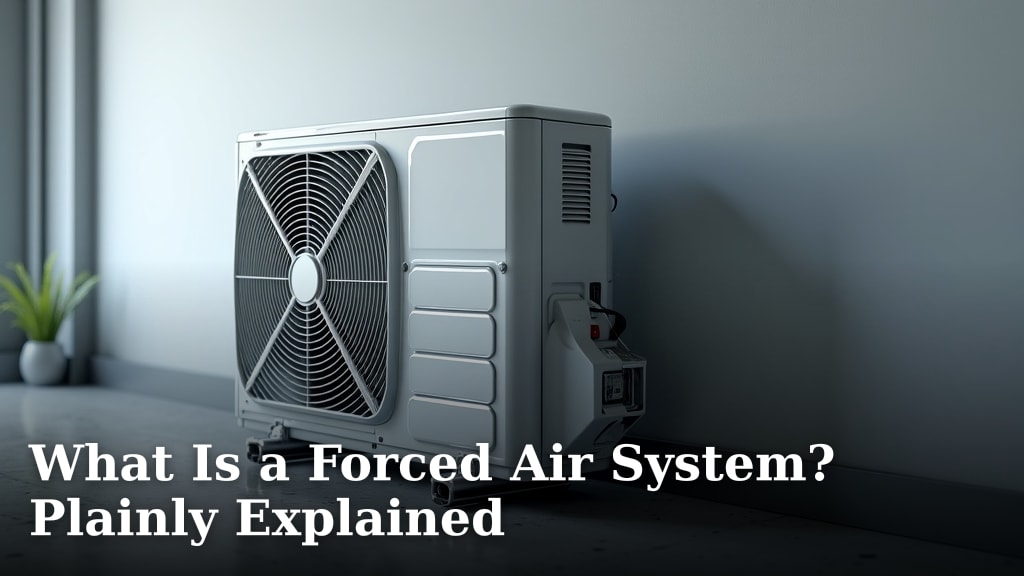
What Is a Forced Air System? Plainly Explained
A forced air system is a common type of home heating and cooling setup. It uses a fan to push heated or cooled air through a network of ducts. This air then enters your rooms through vents. This is how most homes get their comfortable temperatures.
These systems are a central part of HVAC for many households. They work by heating or cooling air at a central unit. Then, the blower motor distributes it. We found that understanding how it works can help you better manage your home’s comfort and energy use.
- A forced air system heats or cools air centrally.
- A fan pushes this air through ducts.
- Vents deliver the air into your rooms.
- It’s a very common type of HVAC setup. To better understand your system’s control, learn the difference between a smart thermostat vs regular thermostat.
Let’s walk through exactly how these popular systems work, step by step, so you can get a clear picture.
How Does a Forced Air Heating and Cooling System Work?
A forced air system is the backbone of comfortable home climates for many people. You likely have one if you use a thermostat to control your home’s temperature. These systems use a fan to move air. This air is either heated or cooled by a central unit. Then, it’s sent through a series of tubes called ducts. Finally, it comes out of vents in your rooms.
The Core Components of Your Forced Air System
Think of your forced air system like a circulatory system for your home. It has several key parts working together. Understanding these parts helps you see how everything stays comfortable.
The Furnace or Air Handler
This is the heart of the system. If you have a heating-focused setup, it’s usually a furnace. It burns fuel like natural gas or oil to create heat. For cooling, or if you have a heat pump, this unit is often called an air handler. It contains the equipment that cools the air. This central unit is where the air gets its temperature adjustment.
The Blower Motor and Fan
The blower motor is the engine that drives the system. It powers a fan. This fan is responsible for pushing air through the entire network. It pulls air from your home and also pushes the conditioned air back out. A strong, reliable blower motor is key to good air circulation.
The Ductwork: The Air Highways
Ducts are the passageways for air. They are typically made of metal or flexible plastic. These tubes run throughout your home, connecting the central unit to each room. The size and condition of your ducts matter a lot. Leaky or undersized ducts can really affect comfort and efficiency.
Vents and Registers: The Air Exits
Vents, often called registers, are the openings in your walls or floors. They are covered with grilles. This is where the heated or cooled air enters your living spaces. You can usually open or close these vents. This lets you control airflow to specific rooms.
The Thermostat: Your Control Panel
Your thermostat is your command center. You tell it what temperature you want. It then signals the furnace or air handler to turn on or off. Modern thermostats can also be programmed. They help manage your home’s temperature automatically.
The Step-by-Step Process of Heating and Cooling
Let’s break down how your forced air system keeps you comfortable, whether it’s hot or cold outside.
Heating Mode: Making Warm Air
When your thermostat calls for heat, it sends a signal to the furnace. The furnace then ignites its burner or activates its heating element. Air from your home is drawn into the system. It passes over the hot heat exchanger. This warms the air. The blower motor then pushes this heated air through the supply ducts. It travels to the vents in your rooms. As warm air enters, cooler air is pulled back towards the system through return ducts. This creates a continuous loop of warming.
Cooling Mode: Making Cold Air
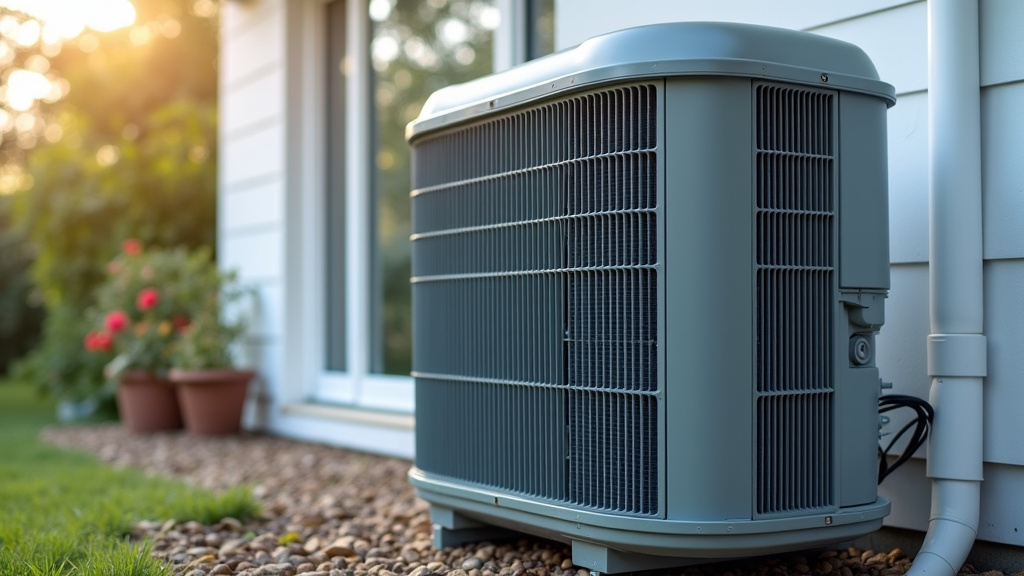
In cooling mode, the process is similar but uses different equipment. Your thermostat signals the air conditioner or heat pump to start. The air conditioner’s outdoor unit (condenser) works to remove heat from your home. Refrigerant carries this heat away. The cooled air then passes through the air handler. The blower motor pushes this chilled air through the supply ducts and out the vents. The return ducts bring warmer room air back to the system to be cooled again. This cycle continues until your desired temperature is reached.
The Role of Return Air
Don’t forget the return air! These are the ducts that bring air back to the furnace or air handler. They have large grilles, often in the ceiling or walls. They pull air from your rooms. This air is usually filtered before it gets to the central unit. This process is vital for both heating and cooling cycles to work efficiently.
Why Is This System So Popular?
Forced air systems are everywhere for good reasons. Many experts say they offer a balanced approach to home comfort.
Speed and Responsiveness
One of the biggest advantages is how quickly they work. Because the fan is constantly moving air, you typically feel heated or cooled air fairly quickly after adjusting the thermostat. This responsiveness is great for busy households.
Air Filtration and Quality
Forced air systems often include an air filter. This filter can remove dust, pollen, and other particles from the air. Many people find this improves their home’s air quality. You can even install high-efficiency filters to capture smaller particles. Regular filter changes are key here.
Versatility with Add-ons
These systems are also very adaptable. You can easily add components for better air quality. Options include humidifiers, dehumidifiers, and air purifiers. This makes a forced air system a flexible platform for total home comfort. It’s not just about temperature; it’s about the air you breathe.
A Quick Checklist for Maintaining Your System
Keeping your forced air system running smoothly is easier than you might think. Here are a few simple things you can do:
- Change your air filter regularly (monthly or quarterly, depending on the filter type and your home environment).
- Keep vents and registers clear of furniture and other obstructions.
- Ensure the area around your outdoor AC unit is clean and free of debris.
- Listen for unusual noises from your furnace or air handler.
- Schedule an annual professional tune-up for your system.
Conclusion
You now understand that a forced air system is the quiet workhorse behind your home’s comfort. It efficiently heats and cools your space by using a fan to circulate temperature-controlled air through your home’s ductwork. From the furnace or air handler to the vents, each component plays a role in maintaining your ideal temperature. Taking simple steps like changing your air filter and keeping vents clear helps ensure your system runs smoothly. Ready to get the most out of your system? Schedule your annual professional tune-up to keep it performing at its best.
Frequently Asked Questions
How can I tell if I have a forced air system?
Look for vents or registers in your walls, floors, or ceilings. If you control your home’s temperature with a central thermostat and hear a fan running when the heat or AC kicks on, you likely have a forced air system. These are the most common setups in modern homes.
What is the difference between a furnace and an air handler in a forced air system?
A furnace specifically heats air, usually by burning fuel like natural gas. An air handler is the part that circulates air and often contains the cooling coil for an air conditioner or the indoor components of a heat pump. Sometimes a single unit can handle both heating and cooling functions.
Why is my forced air system not heating or cooling evenly?
Uneven temperatures can be caused by several things. Your ductwork might have leaks or be improperly sized. Blocked vents, a dirty air filter, or issues with the blower motor can also reduce airflow. Sometimes, simply adjusting the balance of your vents can help improve circulation.
How often should I change the air filter in my forced air system?
It’s generally recommended to change your air filter every one to three months. This frequency can vary based on the type of filter you use and your home environment. Homes with pets or allergies might need more frequent changes. A clogged filter restricts airflow and makes your system work harder.
Can a forced air system help improve my indoor air quality?
Yes, forced air systems are a great platform for improving indoor air quality. They use an air filter to remove particles as air circulates. You can also add accessories like whole-house humidifiers, dehumidifiers, or electronic air purifiers to your system. These upgrades can target specific air quality concerns.