What Is a Low Voltage Thermostat? Explained
A low voltage thermostat is a control system for your home’s heating and cooling. It uses low voltage wiring, typically 24 volts, to communicate with your HVAC system. This is different from older, line-voltage thermostats that use 120 or 240 volts.
Most
Understanding Low Voltage Thermostats in Your Home
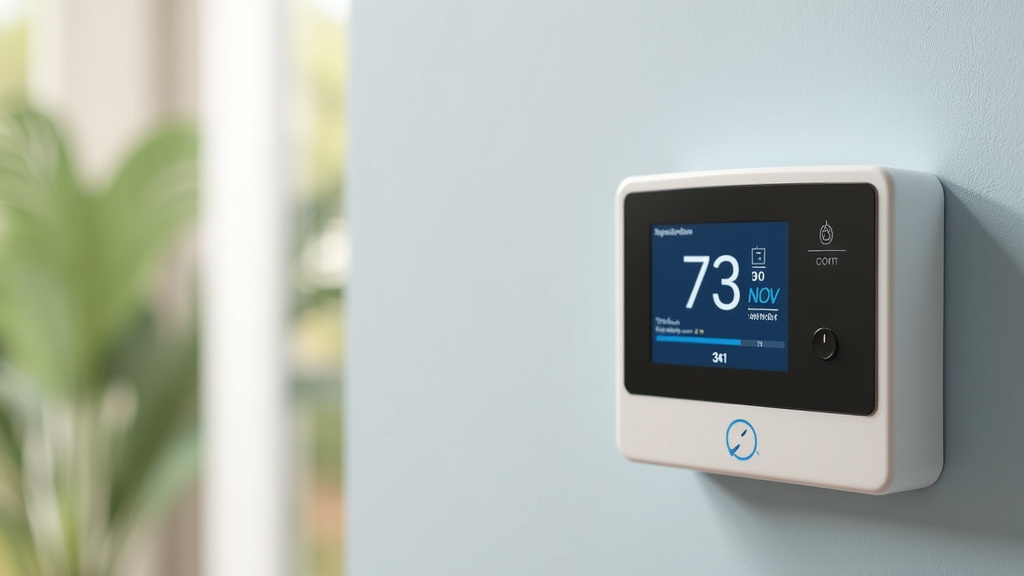
So, what exactly is a low voltage thermostat and why does it matter for your home’s comfort? You’ve likely seen them in many homes, often looking like a small digital screen or a classic dial. These devices are the brains of your heating and cooling system. They tell your furnace or air conditioner when to turn on and when to switch off.
The key difference, and what the “low voltage” part refers to, is the electrical power they use. Unlike older thermostats that plug directly into a wall outlet and use the full power of your home’s electricity (like a toaster or a lamp), low voltage thermostats operate on a much smaller amount of power. Think of it like the difference between a car battery and the entire electrical grid powering your neighborhood.
How Low Voltage Systems Work
Most modern homes are equipped with low voltage thermostats and HVAC systems. This setup has become the standard for a good reason: safety and efficiency. The wiring for these systems typically runs at 24 volts AC (alternating current). This is a much lower and safer electrical current than the 120 or 240 volts found in standard wall outlets.
This low voltage power comes from a small transformer. This transformer is usually located near your furnace or air handler. It takes the high voltage power from your home’s main electrical panel and “steps it down” to the safer 24-volt level. This lower voltage then travels through thin wires to your thermostat and to various components of your HVAC system, like the fan, the heating element, and the cooling compressor.
The Role of the Thermostat
Your low voltage thermostat acts as the command center. It has a sensor to detect the current room temperature. You set your desired temperature, and the thermostat compares the two. If the room is too cold, it sends a signal to the furnace to heat the air. If it’s too warm, it signals the air conditioner to cool things down.
This communication is all done through those low voltage wires. Think of it like a simple electrical circuit. When the thermostat calls for heat, it completes a circuit, allowing electricity to flow to the furnace. When the desired temperature is reached, it breaks the circuit, turning the furnace off.
Why Low Voltage is the Standard Now
Research and practical application have shown that low voltage systems offer several benefits over older, line-voltage setups. For starters, they are inherently safer. Working with 24 volts is much less dangerous than dealing with 120 or 240 volts, especially for homeowners who might want to do some DIY maintenance or replacement.
Beyond safety, low voltage systems also allow for more sophisticated control. This is why you see so many smart and programmable thermostats available today. These advanced features require precise communication and control that low voltage systems are well-suited to provide. Many modern HVAC systems are designed specifically to work with these low voltage controls.
Comparing Low Voltage vs. Line Voltage Thermostats
It’s important to know which type of thermostat you have, as they are not interchangeable. Older homes, especially those with electric baseboard heaters, might still have line voltage thermostats. These are typically rated for 120V or 240V and often look more industrial, with larger physical switches or dials.
Low voltage thermostats, on the other hand, are the most common type found in homes with central forced-air heating and cooling systems. They are generally smaller, often featuring digital displays and buttons or touch screens. Attempting to connect a low voltage thermostat to a line voltage system, or vice versa, can damage both the thermostat and your HVAC equipment.
Identifying Your Thermostat Type
How can you tell if you have a low voltage or line voltage thermostat? The easiest way is to look at the wiring and the thermostat itself.
- Low Voltage: You’ll usually see thin, multi-colored wires connected to terminals labeled with letters like R, W, Y, G, C. The thermostat itself is likely digital with a screen.
- Line Voltage: You might see thicker wires, often black and white, connected directly to the back of the thermostat. The thermostat might have a dial or a simple toggle switch and will often be labeled with voltage ratings (like 120V or 240V). It usually won’t have a digital display.
If you’re unsure, it’s always best to consult your HVAC manual or a qualified professional. Getting this wrong can lead to costly repairs.
Why the Distinction Matters for Upgrades
If you’re thinking about upgrading to a smart thermostat, this distinction is crucial. Most smart thermostats on the market today are designed for low voltage systems. They offer features like remote control via smartphone apps, learning your habits to save energy, and integration with other smart home devices. If you have a line voltage system, your options for smart thermostat upgrades will be more limited, or you might need professional modification of your system.
Key Features and Benefits of Low Voltage Thermostats
The widespread adoption of low voltage thermostats isn’t just about compatibility with modern HVAC equipment. It’s also about the advanced capabilities they enable. These thermostats offer a range of features that contribute to comfort, energy savings, and convenience.
Programmability and Smart Features
One of the biggest advantages is the ability to program your thermostat. This means you can set different temperatures for different times of the day or week. For example, you can have your home cooler while you’re sleeping or away at work, and warmer when you’re home and need comfort. This energy conservation is a major benefit, as heating and cooling account for a large portion of home energy use (U.S. Department of Energy).
Smart thermostats take this a step further. They can learn your schedule and preferences over time, automatically adjusting the temperature for optimal comfort and savings. Many also connect to Wi-Fi, allowing you to control your home’s temperature from anywhere using a smartphone app. This provides incredible flexibility and peace of mind.
Energy Efficiency and Cost Savings
By allowing for precise control and scheduling, low voltage thermostats play a direct role in reducing energy consumption. When your HVAC system doesn’t run unnecessarily, you save money on your utility bills. Studies by organizations like the Environmental Protection Agency (EPA) highlight the significant savings potential from using programmable and smart thermostats.
A well-programmed thermostat can help you maintain comfort without constantly heating or cooling an empty house. This isn’t just about saving money; it’s also about environmental responsibility by reducing your carbon footprint.
Enhanced Comfort and Control
Beyond savings, these thermostats offer a superior level of comfort. You can fine-tune the temperature to your exact liking. Features like auto-changeover (switching between heating and cooling automatically) ensure your home stays comfortable year-round without manual adjustments. Some even offer humidity control, contributing to a healthier indoor environment.
Common Issues and Troubleshooting
Even with the reliability of low voltage systems, you might encounter occasional hiccups. Understanding common problems can help you address them quickly or know when to call a professional.
No Power or Blank Screen
If your thermostat’s screen is blank, it’s often a simple power issue. The 24-volt power supply might be interrupted. Check if the circuit breaker for your HVAC system has tripped. Sometimes, the transformer itself could be faulty, or a wire connection might have come loose. A common fix is ensuring the C-wire (common wire) is connected if your thermostat requires it for continuous power, especially for smart thermostats.
Inaccurate Temperature Readings
Is your thermostat always saying it’s hotter or colder than it really is? This can be due to a few things. The thermostat might be located in direct sunlight, near a heat source like a lamp or vent, or in a drafty area. These external factors can skew its temperature sensor. Try to ensure the thermostat is in a central location, away from drafts and heat sources. Sometimes, a simple reset of the thermostat can also resolve calibration issues.
HVAC System Not Responding
If your thermostat seems to be working fine, but your furnace or air conditioner isn’t kicking on, the issue might be with the wiring or the HVAC unit itself. Check that the thermostat is set to the correct mode (Heat, Cool, Auto) and that the fan is set to ‘Auto’ or ‘On’ as desired. Loose wires at the thermostat or at the control board of your HVAC system are a frequent culprit. These require careful inspection, and often, professional help is needed for electrical connections.
A Quick Checklist for Your Low Voltage Thermostat
Here’s a simple checklist to help you maintain and understand your low voltage thermostat:
- Check Your Wiring: If you plan on upgrading, verify you have the necessary wires (like a C-wire) for advanced models.
- Location, Location, Location: Ensure your thermostat isn’t exposed to drafts or heat sources that could affect readings.
- Cleanliness Matters: Gently dust the thermostat’s vents and screen to prevent dust buildup from affecting performance.
- Battery Check: If your thermostat uses backup batteries, replace them regularly to prevent power loss.
- Understand the Modes: Know when to use Heat, Cool, Auto, and Off modes for optimal comfort and energy use.
- Consult the Manual: Keep your thermostat’s user manual handy for specific troubleshooting and feature explanations.
Conclusion
You’ve learned that a low voltage thermostat is the standard for modern homes, offering safety and precise control over your heating and cooling. Understanding its function, from the 24-volt power supply to its role as the command center, helps you appreciate its importance. Knowing the difference between low and line voltage systems is vital, especially when considering upgrades like smart thermostats. Armed with this knowledge, you can better maintain your system and make informed decisions about enhancing your home’s comfort and efficiency. Your next step should be to check your current thermostat to confirm its type and wiring, ensuring compatibility for any future smart home integrations.
Frequently Asked Questions
Do all modern homes use low voltage thermostats?
Yes, nearly all homes built in the last several decades with central heating and air conditioning use low voltage thermostats. This setup has become the industry standard due to its safety and the advanced capabilities it allows for smart and programmable controls.
Can I replace my old line voltage thermostat with a low voltage one?
Generally, no, you cannot directly replace a line voltage thermostat with a low voltage one without modifying your HVAC system. They use different voltage levels and wiring configurations. It’s best to consult an HVAC professional to assess your system and options.
What is a C-wire and why do I need it for my low voltage thermostat?
A C-wire, or common wire, provides continuous 24-volt power to your thermostat. Many smart and some digital low voltage thermostats require it to operate consistently and power their screens or Wi-Fi connections. Older systems may not have a C-wire installed.
How do I know if my thermostat is low voltage?
Look at the wires connected to the back of your thermostat. Low voltage systems typically have thin, colored wires connected to terminals labeled with letters like R, W, Y, G, and C. Line voltage thermostats often have thicker wires and may be directly wired without small terminal labels.
Can a faulty transformer cause issues with my low voltage thermostat?
Yes, a faulty transformer can definitely cause problems. The transformer steps down your home’s power to the 24 volts your low voltage thermostat and HVAC system need. If it’s not working correctly, your thermostat might have a blank screen or your system may not respond.