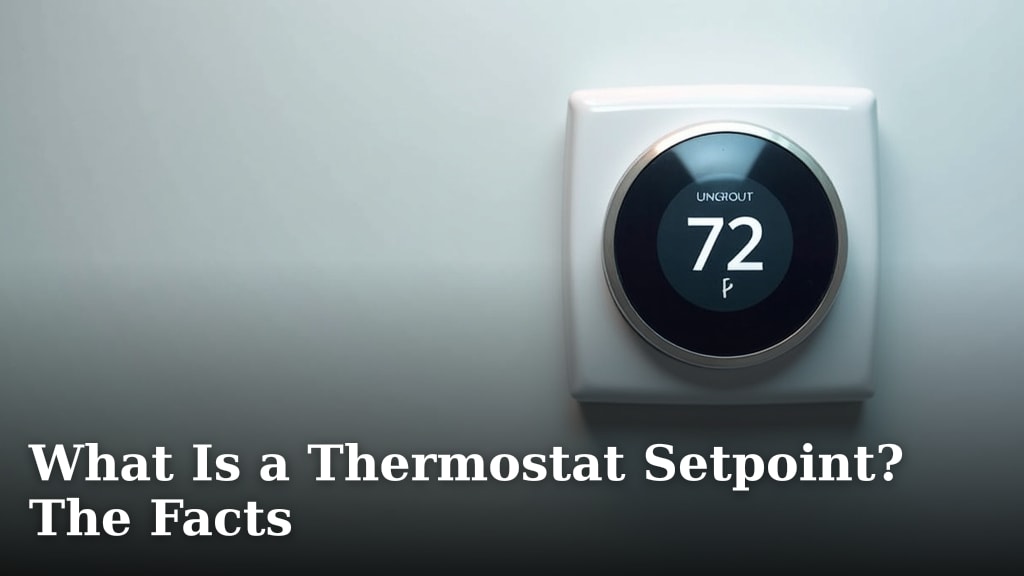
What Is a Thermostat Setpoint? The Facts
Your thermostat setpoint is simply the desired temperature you tell your heating or cooling system to maintain. It’s the number you select on your thermostat to keep your home comfortable. Think of it as your personal climate command center.
Understanding your setpoint is key to managing your home’s energy use. It directly impacts how often your furnace or air conditioner runs. Setting it too high in summer or too low in winter can waste energy and money. Many experts agree that small adjustments can make a big difference.
- A thermostat setpoint is the temperature you want your home to be.
- It tells your heating and cooling system what temperature to aim for.
- Choosing the right setpoint affects your comfort and energy bills.
- Adjusting your setpoint by a few degrees can save energy.
Let’s break down exactly what your thermostat setpoint means and how you can use it to your advantage.
Understanding Your Thermostat’s Temperature Target
Your thermostat’s setpoint is the specific temperature you choose for your home. It’s the number you tell your heating or cooling system to maintain. Think of it as the target temperature your equipment aims for.
How Your Setpoint Works
When you adjust your thermostat, you’re setting this target. If your home’s temperature drops below the setpoint in winter, your furnace kicks on. If the temperature rises above the setpoint in summer, your air conditioner starts cooling. The system works to keep the indoor air right around your chosen number.
The Difference Between Setpoint and Actual Temperature
It’s important to know the difference between the setpoint and the actual room temperature. The actual temperature is what your thermostat’s sensor is reading right now. The setpoint is the temperature you want it to be. If you set your thermostat to 70°F, and it’s currently 68°F, your furnace will run until the room reaches 70°F.
Why Your Setpoint Matters for Energy Use
Where you set your thermostat has a direct impact on your energy bills. Every degree you ask your system to heat or cool uses more energy. It’s like asking your car to drive at a higher speed – it requires more fuel. Finding a balance between comfort and efficiency is key.
Common Misconceptions About Setpoints
Some people think that if they turn their thermostat way down in winter (or way up in summer) to make it cool off faster, it will save energy. This isn’t usually true. Your system will run until it hits the setpoint, but it might work harder than necessary to get there. It’s better to set a reasonable temperature and let it run.
Recommended Thermostat Setpoints for Savings
What’s the best temperature to set your thermostat to? Experts offer general guidelines to help you save energy without sacrificing too much comfort. These are great starting points.
Setting Your Thermostat in Winter
During the colder months, most experts suggest setting your thermostat to 68°F when you are home and awake. This temperature is often found to be comfortable for many people. It’s a good balance that doesn’t strain your heating system too much.
Lowering the Setpoint When Away or Asleep
When you’re sleeping or away from home, you can set your thermostat even lower. Research from the U.S. Department of Energy suggests setting it back by 7-10°F for at least 8 hours a day. This means you could lower it to around 58-61°F during these times. This simple adjustment can lead to energy savings of up to 10% annually.
Setting Your Thermostat in Summer
In the summer, the goal is to keep your home cool and comfortable. A common recommendation is to set your thermostat to 78°F when you are home and awake. While this might seem warm to some, it’s an energy-efficient target. Your air conditioner won’t have to work as hard.
Adjusting the Setpoint for Unoccupied Times
Similar to winter, you can make adjustments when you don’t need maximum cooling. When you’re away or asleep, raising the setpoint by 7-10°F can save energy. This means setting it to around 85-88°F. These small changes can lead to noticeable savings on your cooling bills.
Comparing Setpoint Strategies
Understanding how different setpoints affect your home’s energy use can help you make informed decisions. Here’s a simple comparison of common strategies.
| Season | When Home & Awake | When Sleeping/Away | Potential Savings |
|---|---|---|---|
| Winter | 68°F | 58-61°F | Up to 10% annually |
| Summer | 78°F | 85-88°F | Significant cooling cost reduction |
The Impact of Smart Thermostats
Smart thermostats can automate these adjustments for you. Many allow you to program schedules based on your daily routine. They learn your habits and can even be controlled remotely. This makes maintaining energy-efficient setpoints much easier. Some smart thermostats also provide energy usage reports. They can show you how your setpoint choices affect your bills. Smart thermostats can automate these adjustments for you. Our guide to smart thermostats explains the differences.
Making the Most of Your Thermostat Setpoint
Adjusting your thermostat setpoint is one of the easiest ways to manage your home’s energy consumption. It requires little effort but can yield substantial results over time.
Tips for Setting Your Ideal Temperature
- Start with the recommendations: Begin with the 68°F in winter and 78°F in summer when home.
- Adjust gradually: If these feel uncomfortable, make small adjustments of one degree at a time.
- Consider your clothing: Wearing layers in winter or lighter clothes in summer can help you tolerate slightly different setpoints.
- Think about your home: Some homes hold heat or cool air better than others. You might find a unique sweet spot.
- Use fans: Ceiling fans can help circulate air and make you feel cooler in summer, allowing for a higher setpoint.
- Be consistent: Try to stick to your chosen setpoints as much as possible. Frequent large adjustments can sometimes use more energy.
Your Setpoint Checklist
Here’s a quick checklist to help you optimize your thermostat setpoint:
- Do you know your current thermostat setpoint?
- Have you considered the recommended energy-saving temperatures?
- Can you lower the setpoint when you’re asleep or away?
- Are you comfortable with your chosen setpoint?
- Do you have a plan for seasonal temperature adjustments?
Conclusion
Your thermostat setpoint is your home’s temperature command center. It’s the temperature you tell your system to maintain, directly impacting your comfort and your energy bills. By understanding how your setpoint works and following expert recommendations, you can easily save energy. Start by setting your thermostat to 68°F in winter and 78°F in summer when you’re home. Then, lower or raise it by 7-10°F when you’re asleep or away. Take a moment today to check your current setpoint and make these simple, smart adjustments for a more comfortable and energy-efficient home.
Frequently Asked Questions
Does setting my thermostat lower in winter actually save energy?
Yes, lowering your thermostat setpoint when you are asleep or away from home can lead to energy savings. Research from the U.S. Department of Energy suggests setting it back by 7-10°F for at least 8 hours can reduce annual energy costs by up to 10%. Your heating system won’t have to work as hard to maintain a lower temperature.
Is 78°F really a comfortable temperature for summer?
While 78°F might feel warmer than you’re used to, it’s an energy-efficient target that many find comfortable with minor adjustments. Using ceiling fans can help circulate air and make you feel cooler, allowing you to maintain this higher setpoint without feeling overheated. It means your air conditioner runs less frequently.
What’s the difference between the setpoint and the actual temperature?
The setpoint is the temperature you choose and tell your thermostat to reach, like 70°F. The actual temperature is the current temperature detected by your thermostat’s sensor. Your heating or cooling system will run until the actual room temperature matches your desired setpoint.
How can a smart thermostat help with my setpoint?
Smart thermostats can automate your setpoint adjustments based on your daily routine. Many learn your habits or allow you to program specific schedules for different times of day or when you’re away. This makes it easy to maintain energy-saving setpoints without manual changes. Smart thermostats can automate your setpoint adjustments based on your daily routine. See what a smart thermostat can control.
Can I adjust my setpoint by just one degree?
Absolutely. If the recommended setpoints feel uncomfortable, start by adjusting by one degree at a time. Small, gradual changes are easier for your body to adapt to and can still contribute to energy savings over time. Finding your personal sweet spot is important for comfort.