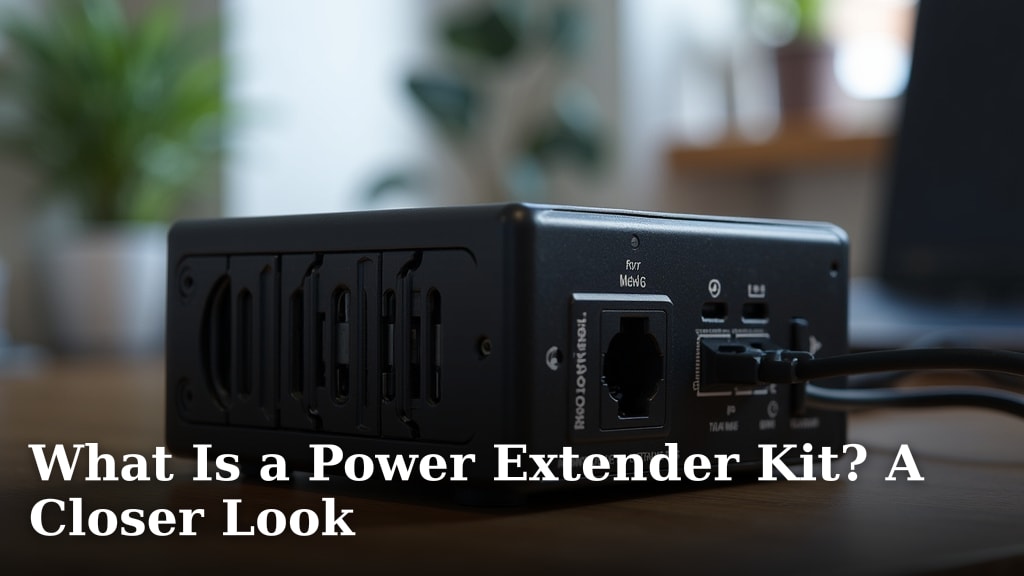
What Is a Power Extender Kit? A Closer Look
A power extender kit is a simple solution that gives your electrical cords more reach. It usually includes a short extension cord and one or more outlets. This helps you plug in devices when the nearest wall outlet is just too far away. Think of it as a handy helper for those tricky spots.
These kits are designed to make your life easier. They can solve the common problem of not having enough outlets where you need them. Many people find them useful for things like holiday lights or powering tools in the garage. They offer a practical way to extend your power options without needing an electrician.
- A power extender kit adds length to your electrical cords.
- It typically comes with a short cord and extra outlets.
- This helps you power devices in hard-to-reach areas.
- They are a simple fix for limited outlet availability.
We found that understanding how these kits work is pretty straightforward. Let’s take a closer look at what makes up a power extender kit and how you can use one effectively.
Understanding Your Power Extender Kit
So, what exactly is a power extender kit? You’ve likely seen them. They’re the simple gadgets that help you get power where the wall outlet can’t quite reach. Think of it as a friendly bridge between your device and electricity. We found that these kits offer a practical solution for everyday power needs. They solve the common problem of inconvenient outlet placement.
The Core Components of a Kit
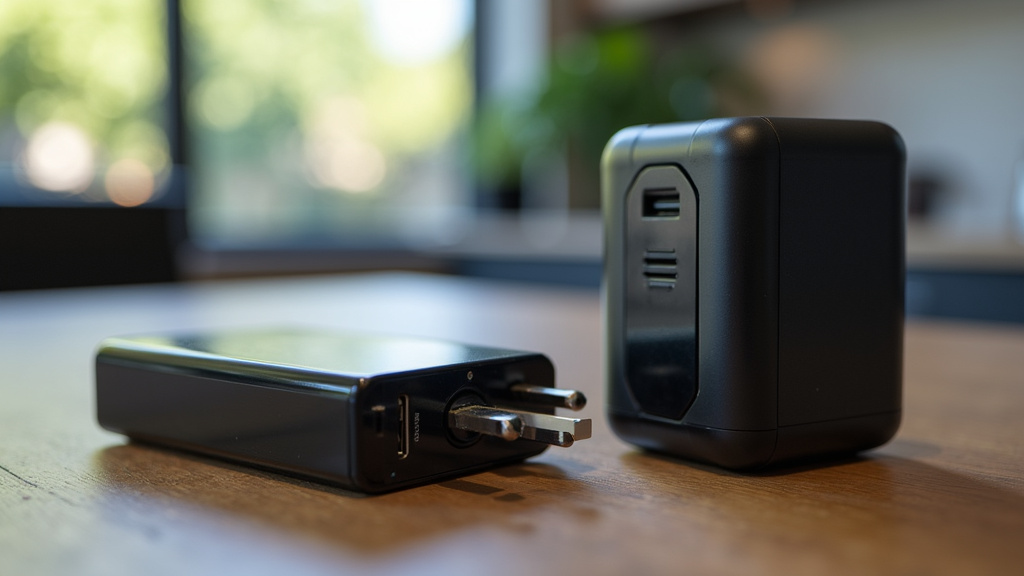
Most power extender kits have a few key parts. You’ll almost always find a short extension cord. This is the main piece that adds length. It’s usually a heavy-duty cord, built to handle a decent amount of power. Then, there’s the part that gives you more places to plug in. This is often a power strip or a multi-outlet adapter.
The Extension Cord Aspect
The extension cord itself is designed for indoor use in most cases. Look for labels indicating its gauge, which tells you how thick the wires are. Thicker wires (lower gauge numbers) can handle more electricity safely. It’s important to match the cord’s capacity to what your devices need. We found that checking the maximum wattage rating is essential.
The Outlet or Adapter Piece
The other part of the kit is where you plug in your devices. This might be a simple adapter with two or three outlets. Or, it could be a small power strip with surge protection. Surge protection is a great feature. It helps guard your electronics against sudden power spikes. We research that many experts recommend surge protection for sensitive electronics.
How a Power Extender Kit Works
Using a power extender kit is pretty straightforward. You plug the short extension cord into your main wall outlet. Then, you plug your devices into the outlets on the other end of the kit. It’s like creating a new power hub closer to where you need it. This setup works by simply rerouting the existing power supply.
Connecting to the Power Source
The initial connection is key. You’ll plug the male end of the extension cord into a standard wall receptacle. Make sure the outlet is in good working order. It’s best to plug into a grounded outlet if possible. This provides an extra layer of safety. We found that using a grounded connection is a standard safety practice (National Electrical Code).
Distributing the Power
Once the cord is plugged in, the power flows through it to the attached adapter or strip. From there, you can plug in your lamps, chargers, tools, or holiday decorations. It’s designed to offer convenience without altering your home’s wiring. The kit essentially acts as a temporary power daisy-chain.
Why You Might Need a Power Extender Kit
These kits solve a common household puzzle: not enough outlets where you need them. We found that many situations call for a bit of extra reach. They’re not meant for permanent, high-demand power solutions. Instead, they shine in specific, temporary uses.
Common Use Cases and Scenarios
Think about those hard-to-reach spots. Maybe your desk is far from the wall, and you need to charge your laptop and phone. Or, you’re setting up holiday lights on a porch, and the nearest outlet is across the yard. Power extender kits can bridge these gaps. They are particularly handy for things like:
- Temporary lighting setups
- Charging multiple small devices
- Powering tools for a short project
- Connecting holiday decorations
- Bringing power to a corner workspace
Limitations to Keep in Mind
It’s important to understand what these kits are *not* designed for. They are not intended to power heavy-duty appliances like refrigerators or large air conditioners. These devices draw a lot of power. Overloading a power extender kit can be a fire hazard. We found that checking the wattage limits is crucial to avoid overloading (Consumer Product Safety Commission).
Understanding Wattage and Amperage
Every electrical cord and outlet has a limit. This is measured in watts (power) and amps (current). Most standard outlets provide 15 amps, which equates to about 1800 watts at 120 volts. A power extender kit will have its own rating. You must not exceed this rating. Look for the total wattage capacity of the kit. If you plug in too many devices or devices that draw too much power, you risk overheating the cord or tripping a circuit breaker.
Indoor vs. Outdoor Use
Always check if the kit is rated for indoor or outdoor use. Outdoor-rated kits are built to withstand moisture and varying temperatures. Using an indoor-rated kit outside is dangerous. It can lead to electric shock or damage to the equipment. Most basic power extender kits are for indoor use only. They are designed for dry locations.
Choosing the Right Power Extender Kit
When you’re looking for a power extender kit, a few factors matter. It’s not a one-size-fits-all situation. You want to pick one that suits your needs and safety requirements. We’ve found that considering these points helps make the best choice.
Key Features to Look For
Beyond just adding length, consider what else the kit offers. Does it have surge protection? This is a big plus for protecting your electronics. How many outlets does it provide? Make sure it’s enough for your devices. Also, check the cord length. Do you need 3 feet or 10 feet? Cord length is a primary function, so get what you need.
Safety Certifications and Ratings
Safety is paramount. Look for kits that are certified by recognized safety organizations. In the U.S., this often means a UL (Underwriters Laboratories) listing. This mark indicates the product has been tested and meets safety standards. We found that products with UL listings are generally safer for home use (UL Website).
Considering the Cord Length and Gauge
As we mentioned, cord length is vital for reach. But the gauge (thickness) is vital for safety and performance. For most general household use, a 16-gauge cord is common and sufficient. If you plan to plug in devices that draw more power, or if the cord will be longer, a 14-gauge or even 12-gauge cord might be better. Thicker cords generate less heat.
A Quick Checklist for Your Purchase
To help you decide, here’s a quick rundown:
- Is it rated for your intended use (indoor/outdoor)?
- Does it have enough outlets for your devices?
- Is surge protection included, if needed?
- Is the cord length sufficient for your needs?
- Does it have a recognized safety certification (like UL)?
- Can it handle the total wattage of the devices you plan to plug in?
By considering these points, you can find a power extender kit that works for you. It’s all about matching the kit’s capabilities to your specific situation.
Conclusion
You’ve now got a clear picture of what a power extender kit is and how it can help you. These kits offer a simple way to get power where you need it, whether for holiday lights, a corner workspace, or charging devices. We’ve found that understanding the components, like the cord gauge and outlet type, helps you choose wisely. Remember to always check wattage limits and safety ratings to ensure safe use. For your next project or a persistent outlet problem, consider if a power extender kit is the right tool to extend your reach and convenience.
Frequently Asked Questions
Can I use a power extender kit for my TV?
Yes, you can use a power extender kit for your TV, especially if the outlet is far away. We research that it’s important to check if the kit has surge protection. This feature helps guard your electronics against power surges, which is good for sensitive devices like TVs.
Are power extender kits safe to use outdoors?
Most basic power extender kits are designed for indoor use only. We found that using an indoor kit outside can be dangerous due to moisture and temperature changes. Always look for kits specifically rated for outdoor use if you need power outside your home.
What does the gauge number on an extension cord mean?
The gauge number on an extension cord refers to the thickness of the wires inside. A lower gauge number means a thicker wire. Thicker wires can safely carry more electricity. We research that for general home use, a 16-gauge cord is common, but thicker cords are better for higher power needs.
How do I know if I’m overloading a power extender kit?
You might be overloading a kit if the cord feels warm to the touch or if you trip a circuit breaker. We found that checking the total wattage capacity listed on the kit is essential. Make sure the combined power needs of all your plugged-in devices do not exceed this limit.
What’s the difference between a power extender kit and a regular extension cord?
A regular extension cord simply adds length to a single outlet. A power extender kit usually includes a short extension cord attached to a power strip or multi-outlet adapter. We found that this means a kit offers both added reach and multiple plug-in points, making it more versatile for powering several devices.