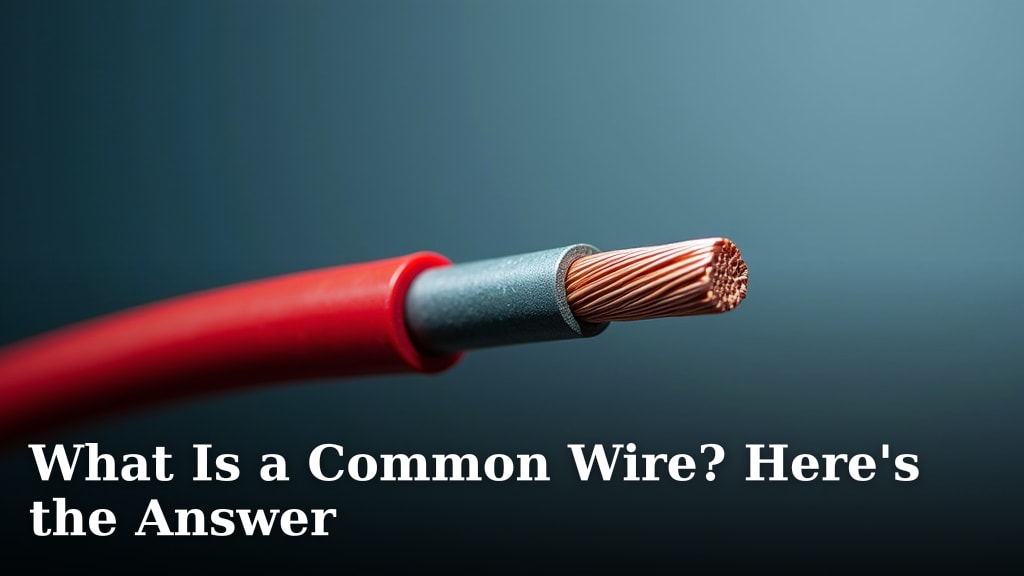
What Is a Common Wire? Here’s the Answer
A common wire is typically the neutral wire in an electrical system. It completes the circuit, allowing electricity to flow back to the power source. You’ll often see it connected to a terminal screw, usually white or black, and it carries current when a device is operating.
Understanding wires is key for any electrical project. The common wire works with the hot wire to provide power. It’s a fundamental part of how your lights and appliances get the energy they need. Knowing its role helps you work safely and effectively.
- The common wire is usually the neutral wire.
- It allows electricity to flow back to the power source.
- It works with the hot wire to complete a circuit.
- Identifying wires is important for safe electrical work.
Let’s break down exactly what the common wire does and why it’s so important for your home’s electrical setup.
“`htmlUnderstanding the Common Wire in Your Home’s Electricity
So, you’ve heard the term “common wire” and you’re wondering what it actually does. You’re not alone! Many homeowners get a bit confused when it comes to the different wires in their electrical system. We’re here to clear that up for you. Think of the common wire as a vital team player, working quietly behind the scenes to make sure your lights turn on and your appliances hum along.
The simplest way to put it is that the common wire is almost always your neutral wire. It’s the unsung hero that completes the electrical circuit. Without it, electricity wouldn’t have a path to return to its source, and nothing would work. We’ll walk you through its role and how to identify it, making your next electrical project a little less daunting.
The Role of the Common Wire in an Electrical Circuit
Every electrical circuit needs a complete loop to function. Imagine electricity as water flowing through pipes. You need an inlet (the hot wire) and an outlet (the common wire) for the water to flow. The common wire provides that essential return path for the electrical current.
Completing the Circuit: The Flow of Electricity
When you flip a light switch, you’re connecting the “hot” wire to your light fixture. This hot wire carries the electricity from your breaker panel to the device. But that electricity needs a way to get back. That’s where the common wire steps in.
It’s connected to the other side of the electrical device. From there, it runs back to the electrical panel and connects to a neutral bus bar. This bus bar is then connected to the ground, creating the complete circuit. Without this return path, the electricity would just stop, and your light wouldn’t turn on.
Common Wire vs. Hot Wire: What’s the Difference?
It’s helpful to understand how the common wire works alongside the “hot” wire. The hot wire (often black or red) is the one that brings the electricity from the power source. It’s the one carrying the electrical “pressure,” so to speak.
The common wire, usually white, takes that electricity back. While the hot wire has a high electrical potential, the common wire is designed to be close to zero potential. This difference is what drives the current. They are a pair, constantly working together to deliver power safely.
Identifying the Common Wire in Your Home
One of the most important aspects of working with electricity is correctly identifying your wires. Getting this wrong can lead to sparks, blown fuses, or worse. Thankfully, the common wire usually has some clear indicators.
Typical Color Coding for Wires
In most modern homes built to North American standards, wires follow a general color code. The common wire is almost always white. This makes it relatively easy to spot. The hot wire is typically black, and the ground wire is usually bare copper or green.
However, there are exceptions. Older homes might have different wiring colors. Sometimes, a white wire might be used as a hot wire for specific reasons, like in certain switch loops. In these cases, electricians often mark the white wire with black or colored tape to indicate it’s not acting as a neutral. Always double-check if you’re unsure, especially in older installations.
What About the Terminal Screw?
You’ll often see wires connected to terminal screws on outlets, switches, and light fixtures. The common (neutral) wire typically connects to a silver-colored screw. The hot wire usually connects to a brass or gold-colored screw. The ground wire connects to a green screw.
This color-coding on the screws is another excellent visual cue. However, relying solely on color can be risky. Always be certain by checking the wire colors themselves and, if possible, confirming with a voltage tester before touching anything. Safety first, always!
| Wire Color | Typical Connection | Common Use |
|---|---|---|
| White | Silver Screw | Common/Neutral Wire |
| Black (or Red) | Brass/Gold Screw | Hot Wire |
| Bare Copper (or Green) | Green Screw | Ground Wire |
When the Common Wire Isn’t White
As we mentioned, the white wire isn’t 100% guaranteed to be neutral. Sometimes, a white wire might be re-identified as a hot wire. This is common in situations where a switch controls a light fixture. The power might come into the switch, and the white wire returning from the switch to the fixture needs to carry power.
In such cases, electricians will often wrap the ends of the white wire with black electrical tape. This is a signal to anyone working on the wiring later that this wire is carrying current. If you see a white wire with tape on it, treat it as a hot wire. This practice helps prevent dangerous mistakes.
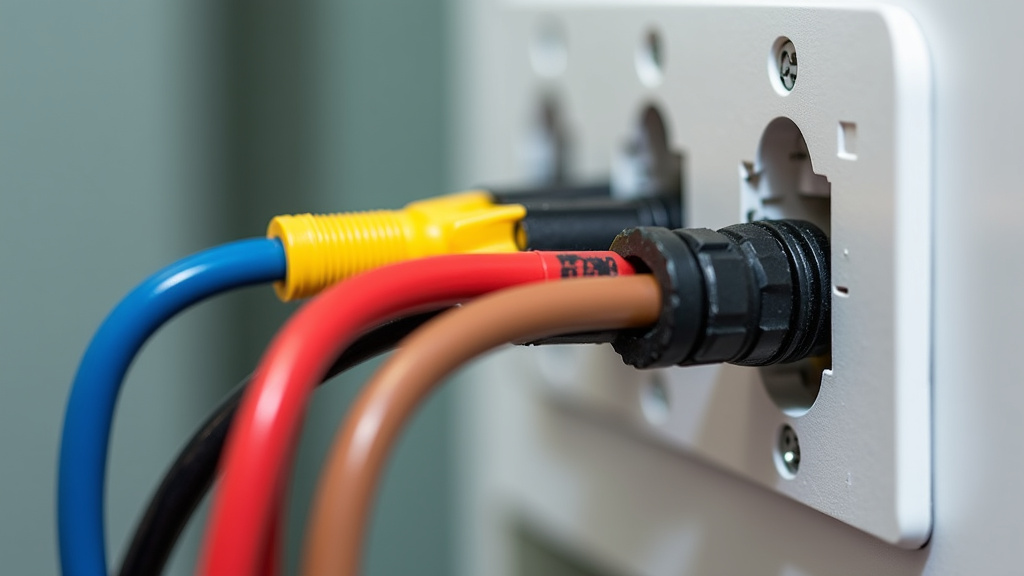
Why is Understanding the Common Wire Important?
Knowing what the common wire is and how to identify it is more than just trivia. It’s about safety and efficiency when you’re dealing with your home’s electrical system. Whether you’re changing a light fixture, replacing an outlet, or troubleshooting a problem, correct wire identification is key.
Safety First: Avoiding Electrical Hazards
Working with electricity can be dangerous if you don’t know what you’re doing. The most common mistake people make is assuming which wire is which. If you connect a hot wire to where a neutral should be, or vice-versa, you can create short circuits.
A short circuit can cause sparks, damage your appliances, or even start a fire. The National Fire Protection Association (NFPA) states that faulty wiring is a leading cause of home fires. Properly identifying the common wire helps you avoid these risks. Always turn off the power at the breaker before you start any work. Using a non-contact voltage tester is also a smart step.
Troubleshooting Electrical Issues
If a light isn’t working or an outlet suddenly stops providing power, the common wire could be involved. Perhaps the connection has come loose at the outlet or fixture. Or maybe there’s a break in the wire somewhere along its path.
By understanding the role of the common wire, you can better diagnose problems. You’ll know to check its connection and ensure it’s securely attached. If you’re installing a new smart switch, for example, most require a neutral wire connection. Without identifying and connecting the common wire correctly, the smart switch won’t work.
A Quick Checklist for Working with Wires
Here’s a handy checklist to keep in mind whenever you’re working near electrical wires:
- Always turn off power at the breaker box before touching any wires.
- Verify power is off using a voltage tester.
- Identify wire colors: White is usually common (neutral), black is hot, bare copper/green is ground.
- Check for tape on white wires; they might be used as hot wires.
- Match wire colors to terminal screws: White to silver, black to brass, ground to green.
- Ensure all connections are secure to prevent loose wires and potential hazards.
Taking these simple steps ensures your electrical projects go smoothly and safely. The common wire might seem like a small detail, but it plays a big part in your home’s electrical system!
“`Conclusion
You’ve learned that the common wire is your home’s neutral wire. It’s essential for completing the electrical circuit, allowing power to flow safely back to its source. By understanding its typical white color and connection to silver terminal screws, you can approach electrical tasks with more confidence. Remember to always turn off power at the breaker and use a tester before you start any work.
Your safety is the top priority. If you’re ever unsure about your wiring, don’t hesitate to call a qualified electrician. Taking these precautions ensures your home’s electrical system functions correctly and keeps you safe.
Frequently Asked Questions
Is the common wire always white?
In most modern homes, the common wire is indeed white, making it easy to identify. However, older homes might have different color codes. Sometimes, a white wire is repurposed as a hot wire, and electricians will mark it with black tape to signal this change.
What happens if I connect the common wire incorrectly?
Connecting the common wire incorrectly can cause a short circuit. This might lead to sparks, damage to your appliances, or even pose a fire hazard. It’s critical to identify wires correctly and ensure they are connected to the proper terminals.
Do all smart switches require a common (neutral) wire?
Many smart switches do require a neutral wire connection to function properly. This is because they need a continuous power source to stay connected to your Wi-Fi network. If your switch box lacks a neutral wire, a smart switch may not be compatible without modifications.
Can I use a voltage tester to confirm a common wire?
Yes, a non-contact voltage tester is an excellent tool for confirming if a wire is live or not. After turning off the breaker, you can use it to ensure power is completely off before you touch any wires. It helps verify that a wire you suspect is common (neutral) isn’t actually carrying current.
What’s the difference between a common wire and a ground wire?
The common wire (neutral) completes the circuit for normal operation. The ground wire is a safety feature that provides an alternative path for electricity in case of a fault, preventing shock. The common wire is usually white and connects to a silver screw, while the ground wire is typically bare copper or green and connects to a green screw.