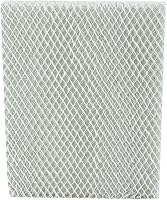
Humidifier with Filter vs No Filter: Which to Choose (November 2026)
Pick a filter model if you want guided water and air care, and pick a no-filter model if you want simple cleaning. In this humidifier with filter vs no filter comparison, the filter is a maintenance tool, not a magic upgrade.
On this page (10 sections)
- Humidifier with filter vs no filter: the quick answer
- What a filter actually does in a humidifier
- What no filter means for daily care
- Filter maintenance and replacement costs over time
- How mist style changes the filter question
- Water quality and white dust
- Noise, light and bedroom use
- Tank size, runtime and refill habits
- Which humidifier with filter vs no filter should you buy?
- Final verdict on filter vs no filter
Pick a filter model if you want guided water and air care, and pick a no-filter model if you want simple cleaning. In this humidifier with filter vs no filter comparison, the filter is a maintenance tool, not a magic upgrade.
A humidifier with filter vs no filter choice comes down to 3 things. You need to weigh upkeep, water quality and how the mist reaches the room.
We compared the specs, tanks, filters and care needs of 4 humidifiers. We looked at what each model includes, what parts you replace and what you clean by hand.
Our score weighs specs, features and buyer feedback against what you're shopping for. Higher scores here reflect a better match for this filter question, not a promise about health results.

 Best for no-filter simplicity
Vicks Filter-Free Ultrasonic Humidifier for Bedroom
| Product | Best for | Capacity | Filter type | Floor area | Our score |
|---|---|---|---|---|---|
| Levoit Evaporative Humidifiers for Bedroom Baby | nurseries | 3.8 liters | Wick | 219 square feet | 9.7 |
| Vicks Filter-Free Ultrasonic Humidifier for Bedroom | no-filter simplicity | 1.2 gallons | Filter-free | 9.5 | |
| Levoit Top Fill Humidifiers for Bedroom | easy top fill | 2.5 liters | Pre Filter | 219 square feet | 9.4 |
| Crane Ultrasonic Cool Mist Humidifier for Bedroom | optional filter | 1 gallon | Optional | 9.3 |
Humidifier with filter vs no filter: the quick answer
A filter helps when you will replace it on time, and a no-filter design helps when you will clean the tank on time. Neither style removes the need for care.
With a filter, you get a part designed to catch impurities or hold a wick. You also get a clear replacement schedule and a clear cost to plan for.
Without a filter, you get fewer parts and no reorder list. You also take on more responsibility for water choice, descaling and drying.
For a nursery or bedroom, place the unit in the room where you need humidity. The Levoit Sprout notes that effectiveness may be limited in reaching another floor or a separate room.
Start with your water first. If your tap water is hard, a filter or distilled water matters more than the badge on the box.
What a filter actually does in a humidifier
A filter is a replaceable part that supports cleaner moisture or cleaner intake air, depending on the design. It does not make a humidifier self-cleaning.
The Levoit Evaporative Humidifiers for Bedroom Baby use dual air and water filters. Levoit says the dual filter removes impurities of 0.5 microns or larger from the air intake at 99% efficiency.
That model also uses a wick filter for evaporation. Natural evaporation adds moisture without a cool mist spray, which can suit a nursery where you want mist-free output.
The Levoit Top Fill Humidifiers for Bedroom include a water filter sponge and a pre filter. That pre filter cotton can get dirty over time, and it lasts about one month depending on water hardness.
The Crane Ultrasonic Cool Mist Humidifier for Bedroom has an optional filter slot. That makes it a middle path, since you can add a filter when you want one and skip it when you do not.
A filter can help manage minerals before they reach the mist. It can also give you a visible sign that replacement time has arrived.
What no filter means for daily care
No filter means no replacement part, but it does not mean no maintenance. You clean the tank, base and any mist path by hand.
The Vicks Filter-Free Ultrasonic Humidifier for Bedroom is designed without extra filters. Vicks says no replacement filters are required for this 1.2 gallon model.
That design suits buyers who forget to reorder parts. It also suits a home that already uses distilled or purified water.
You still need to empty stale water and dry the tank. Mineral film can build up in any humidifier, with or without a filter.
The wide tank opening on the Vicks model helps with filling and cleaning. A wide opening is a small detail, but it makes weekly care more realistic.
If you want a filter-free shortlist, start with our best no filter humidifier guide. Use it to compare tank size and mist style before you choose.
Filter maintenance and replacement costs over time
Filter models swap cleaning effort for a planned replacement cost. You need to budget for filters, not only for the humidifier.
The Levoit Sprout includes 1 air filter, 1 wick filter and 1 humidity sensor. Levoit says the filters typically last for more than 3 months under normal use.
That means fewer reminders each year than a monthly filter. It also means a wick filter can stiffen or collect buildup if you run hard water for months.
The Levoit Classic 160 includes a water filter sponge. Levoit says the pre-installed filter cotton generally lasts about one month, depending on the hardness of the water.
That is a faster replacement cycle. If you miss it, the cotton can look dirty and may affect performance.
The Crane model makes the filter optional. That lets you control the cost, but it also means you must decide when a filter is worth adding.
If you own a Honeywell model, our guide to best honeywell humidifier filter replacement helps you plan that part of the budget. Brand-specific filters are not interchangeable across models.
How mist style changes the filter question
Evaporative, ultrasonic and cool mist models use filters in different ways. Mist style matters as much as the filter itself.
Evaporative models pull air across a wet wick. The Levoit Sprout uses that method and adds an Auto-Drying function to help keep the wick dry after use.
Ultrasonic models create a fine cool mist. The Vicks model uses ultrasonic cool mist and runs for up to 30 hours from its 1.2 gallon tank.
The Levoit Classic 160 also uses ultrasonic operation. It runs for up to 25 hours on low from a 2.5 liter tank, with noise as low as 25dB.
The Crane model uses ultrasonic cool mist with adjustable humidity levels. It is rated for rooms up to 500 square feet for 24 hours.
Cool mist can leave white dust when minerals are high. Evaporative moisture avoids that spray, but the wick becomes the part you must clean and replace.
For more cool mist options without filters, see our best cool mist humidifier no filter picks. Compare tank size and cleaning access side by side.
Water quality and white dust
Your water choice can matter more than filter style. Hard water leaves minerals in any tank that runs daily.
Levoit recommends purified or distilled water for the Classic 160 to minimize white dust. That advice fits many ultrasonic humidifiers, even when a filter is present.
A filter can reduce some impurities, but it cannot fix every water problem. If minerals are heavy, distilled water may help more than a basic pre filter.
The Levoit Sprout gives 2 layers of filtration for its evaporative design. Levoit positions that dual system for cleaner humidity in a baby room.
Tap water can be fine in some homes. The issue is the mineral level in your area and how often you clean the tank.
Our guide on can i use tap water in humidifier questions explains the trade-offs in plain terms. Read it before you decide to save on distilled water.
If you use tap water, clean more often and watch for white film. That film is a sign to descale, replace a filter or switch water type.
Noise, light and bedroom use
Bedroom use depends on noise, light and where you place the sensor. A quiet unit matters more at night than a large tank.
The Levoit Classic 160 has a noise level as low as 25dB. Levoit describes it as a fit for sleeping, with all lights off.
The Levoit Sprout has a warm-tone night light from 2000K to 3500K. Levoit also says the sensor light remains off during normal operation, so it should not add light at night.
The Vicks model is described as ultra-quiet for nurseries and main bedrooms. That claim fits its bedroom and nursery positioning.
The Crane model uses ultrasonic noise canceling technology. Crane describes its humidifiers as whisper-quiet for indoor spaces.
Placement also matters. The Levoit Sprout has a standalone sensor that monitors humidity where it is placed, not where the humidifier is located.
That separate sensor is useful in a large room or near a crib area. It lets you read the air where you sleep, not only at the unit.
For a broader look at dry rooms, our humidifier for dry air guide helps you match size to space. Use it when your bedroom or nursery feels dry at night.
Tank size, runtime and refill habits
Tank size sets how often you refill, not how clean the air is. A larger tank can reduce daily trips to the sink.
The Levoit Sprout has a 3.8 liter tank and is listed for 36 hours in its highlights. Levoit notes that arid conditions or higher temperatures may reduce runtime.
The Vicks model has a 1.2 gallon tank and provides up to 30 hours of mist. That Gallon size suits a bedroom where you do not want to refill each day.
The Levoit Classic 160 has a 2.5 liter tank and runs for up to 25 hours on low. Its top-fill design lets you remove the cover and fill without turning the tank over.
The Crane model has a large 1 gallon tank. Crane says it can run for 24 hours in rooms up to 500 square feet.
Bigger is not always better. A large tank can sit longer between uses, so you must empty and refresh water on schedule.
Top fill is a real convenience point. The Classic 160 is designed to avoid spills from turning the tank over, which helps in a bedroom at night.
Which humidifier with filter vs no filter should you buy?
Buy a filter model when you want a clear replacement part, and buy a no-filter model when you want the fewest parts. Your water and habits should make the call.
Choose the Levoit Evaporative Humidifiers for Bedroom Baby for a nursery. It gives you evaporative moisture, dual filtration and a separate sensor in one design.
Choose the Vicks Filter-Free Ultrasonic Humidifier for Bedroom for simple care. It gives you a 1.2 gallon tank, up to 30 hours of mist and no replacement filters.
Choose the Levoit Top Fill Humidifiers for Bedroom for easy refills. It gives you a 2.5 liter tank, top-fill access and a 360 degree nozzle for a bedroom.
Choose the Crane Ultrasonic Cool Mist Humidifier for Bedroom for a choice you control. Its optional filter slot lets you add filtration when your water needs it.
If you want more filtered ultrasonic options, see our best ultrasonic humidifier with filter picks. If you want filtered models in general, compare our best humidifier with filter guide.
Do not use a Young Living diffuser as a room humidifier by default. See our answer on humidifier young living use so you do not mix aroma diffusing with room humidity goals.
Final verdict on filter vs no filter
The best choice is the style you will clean and refill on schedule. For this humidifier with filter vs no filter decision, habits beat features.
Pick a filter model if you use hard water, want a wick for evaporative moisture or like a clear replacement date. The Levoit Sprout fits that path for a nursery.
Pick a no-filter model if you use distilled water, hate reorder reminders and will clean the tank weekly. The Vicks model fits that path for a bedroom.
Pick the Crane model if you want to test both paths. Its optional filter slot gives you room to change your mind without changing humidifiers.
Clean the tank, dry the base and replace parts on time. That simple routine matters more than the filter label on any box.
Frequently asked questions
Is a humidifier with filter better than one without a filter?
A humidifier with filter is better when you want a defined part to replace on a schedule, such as a wick filter for evaporative moisture. A no-filter model is better when you want fewer parts to buy and simpler cleaning.
Your water hardness and care routine decide the fit.
Do filter-free humidifiers need cleaning?
Yes. A filter-free humidifier still needs regular cleaning of the tank, base and mist parts, even though there is no filter to replace.
Mineral buildup and stale water can affect mist and odor.
Clean on the schedule in the manual and dry parts before storage.
Can I use tap water in a humidifier with a filter?
You can use tap water in many humidifiers, but hard tap water can leave white dust and buildup faster. Distilled or purified water reduces mineral residue in ultrasonic models.
Check your manual for the water type the maker recommends for your exact model.
How often do humidifier filters need replacement?
Replacement depends on the filter type, water hardness and daily run time. The Levoit Sprout wick filters last more than 3 months under normal use, while the Levoit Classic 160 pre filter cotton lasts about one month depending on water hardness.
Replace sooner when the filter looks dirty or stiff.