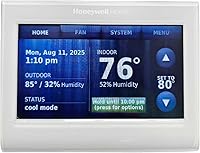
Can You Use an ecobee Thermostat with a Heat Pump?
Yes, many heat pump systems can use an ecobee thermostat for heat pump control if the stages and wiring match. Check your outdoor unit stages, backup heat, reversing valve, and common wire before you rely on any swap.
On this page (8 sections)
- Can an ecobee thermostat work with a two stage heat pump?
- How does backup heating work with an ecobee thermostat for heat pump systems?
- What wiring does a heat pump need for a smart thermostat?
- Do you need a C wire with an ecobee and a heat pump?
- How do you check ecobee compatibility before you buy?
- Should you pick ecobee, Nest, or Sensi for a heat pump?
- What setup settings matter most after install?
- When should you call an HVAC pro for an ecobee heat pump install?
Yes, an ecobee thermostat for heat pump use is common when the wiring and stages match. Your system needs the right heat pump terminals, backup heat control, and steady power at the thermostat.
Use this guide to check those points before you buy. We compared the compatibility steps for ecobee, Nest, and Sensi models, and we checked the specs for the models linked below.
The key is not the brand alone. It is your outdoor unit, your indoor unit, and the wires already in the wall.
Can an ecobee thermostat work with a two stage heat pump?
Yes, if your heat pump has two stage heating or cooling, the thermostat must support those stages. One stage units are simpler, and the setup should reflect what you actually have.
Start with the model numbers on the outdoor and indoor units. Note the stage count, the aux heat type, and whether the reversing valve is energized on heat or cool.
Then match those facts to the thermostat setup menu during install.
A mismatch here can cause short cycling, wrong aux heat use, or poor comfort in shoulder seasons. When in doubt, ask an HVAC pro to review the wiring photo and unit labels before you power the new thermostat.
Our guide to what HVAC systems work with smart thermostats explains why system type matters more than the thermostat name.
Two stage systems need correct staging intervals as well. If the thermostat calls for stage two too soon, you lose the efficiency gain from the first stage.
If it waits too long, the house feels cool and aux heat may kick in early.
How does backup heating work with an ecobee thermostat for heat pump systems?
Backup heating runs when the heat pump cannot keep the house warm on its own. The thermostat usually locks out aux heat above an outdoor temperature you set.
In cold weather, a heat pump moves less heat from outside air. Your home may still need heat, so electric strips or another heat source take over.
That backup heat often costs more to run, so the lockout setting matters.
Set the lockout based on your comfort and your power rates. A lower lockout saves money but risks a chilly house.
A higher lockout keeps the house warmer but runs aux heat more often. Watch the first cold snap and adjust in small steps.
Also check the aux heat runtime setting. Some homes do best with a short delay before aux heat starts.
Others need a longer delay so the heat pump can catch up first. The right choice depends on insulation, duct layout, and how cold your winters get.
If aux heat runs on mild days, the wiring or stage setup may be wrong. Shut down and recheck the O/B wire, the aux terminal, and the lockout temperature before you blame the outdoor unit.
What wiring does a heat pump need for a smart thermostat?
Heat pumps need the right terminals for compressor, fan, reversing valve, and aux heat. The common wire also matters because smart thermostats need steady power.
Look for wires labeled Y, G, C, O/B, and Aux or E. Y runs the compressor call, G runs the indoor fan, and C supplies power.
O or B switches the reversing valve, depending on your system. Aux or E calls backup heat.
You can often reuse the existing wire bundle if it has enough conductors in the right colors. If a C wire is missing, do not guess.
Power issues can cause reboots, blank screens, or calls that never start.
For a wider view of heat pump controls, read What Is a Heat Pump Thermostat? The Complete Guide before you open the wall plate.
It covers reversing valves and aux heat in plain terms.
Take a clear photo of the old wiring before you touch a screw. Label each wire with the old terminal name.
That photo is useful if a pro needs to review the job or if a wire slips during the swap.
Do you need a C wire with an ecobee and a heat pump?
Many heat pump homes do need a C wire or an approved power extender. Heat pumps run longer cycles, so power problems show up faster than with a simple furnace.
A smart thermostat uses power for Wi-Fi, the screen, and sensors. Without a C wire, some models can steal power through other calls.
That trick works in some homes and fails in others, especially with heat pumps and zone controls.
If your home has no C wire, check whether the thermostat maker offers a power extender kit for your model. A kit can add common power at the furnace or air handler.
It is still wiring work, so turn off power at the breaker first.
The Google Nest Thermostat shows why this check matters. Google says it is designed to work without a C wire in most homes, but heat pump systems need a C wire or another compatible power accessory.
That same caution is a good rule for any brand.
How do you check ecobee compatibility before you buy?
Check the unit labels, thermostat wiring, and compatibility tool before you order. This takes about 15 minutes and can save a return trip.
First, write down the outdoor unit brand, model, and stage count. Then note the indoor unit and aux heat type.
Next, photograph the thermostat wires and the furnace or air handler terminals.
Then compare those notes to the thermostat compatibility checker for the exact model. Do not rely on a general "works with heat pumps" claim.
Stage count, reversing valve, and power needs decide the answer.
You should also confirm your Wi-Fi signal at the wall. A weak signal can make remote control unreliable even when the wiring is correct.
A phone test at the thermostat spot gives you a quick read.
Our roundup of the best smart thermostat for heat pump options can help you compare models after you know your system type. Start with compatibility, then compare features and price tier.
Should you pick ecobee, Nest, or Sensi for a heat pump?
Pick the brand that fits your app, wiring, and control style, not the logo alone. Each brand handles schedules, alerts, and voice control in a different way.
Ecobee buyers often look for room sensors and voice control through assistants. Nest buyers often look for the Google Home app and simple scheduling.
Sensi buyers often look for buttons, a traditional look, and clear usage reports.
The Google Nest Thermostat in Snow includes Wi-Fi, voice control, a programmable schedule in the Google Home app, and HVAC monitoring with alerts. It measures 3.31 inches wide and 3.31 inches high, and it uses 2 AAA batteries that are included.
Google also notes a C wire need for heat pump systems.
The Sensi Smart Thermostat, model ST55, is white, measures 5.88 inches wide by 3.75 inches high, and uses an LED display with button control. Sensi says a common wire is not required in most applications, and it offers flexible scheduling, remote access, and usage reports.
Its specs list Alexa, Apple HomeKit, Google Assistant, SmartThings, and Vera as controller types.
If you are torn between two brands, our nest thermostat vs ecobee comparison covers the practical differences in app flow and control style. Read it after you confirm your heat pump wiring, not before.
What setup settings matter most after install?
Stage control, aux heat lockout, and the reversing valve setting matter most. Getting these right matters more than adding sensors on day one.
During setup, confirm whether the valve energizes on heating or cooling. A wrong O/B setting can make the outdoor unit blow cold air in winter or hot air in summer.
Fix this before you test schedules or away modes.
Next, set the compressor staging and aux delay. Two stage units should use stage one as long as it can hold temperature.
Aux heat should start only after the heat pump has had a fair chance to catch up.
Then set the outdoor temperature lockout for aux heat. Choose a starting point, watch indoor temperatures for a week, and adjust by small steps.
Note which setting kept rooms even without running strips too early.
Finally, test remote control, alerts, and schedules from your phone. Change the setpoint, check that the outdoor unit responds, and confirm the indoor fan runs when it should.
A short test now prevents a cold house later.
When should you call an HVAC pro for an ecobee heat pump install?
Call a pro when wiring is unclear, aux heat runs wrong, or the unit will not start. A short service call can be cheaper than a damaged control board.
Warning signs include a blank thermostat, a unit that blows cold in heat mode, aux heat that runs on mild days, or frequent power cycling. Also call for help if you find loose wires, burned terminals, or a wire bundle with too few conductors.
A pro can also confirm the reversing valve, test voltage, and add a C wire or power extender correctly. That work involves 24 volt wiring and breakers, so have the unit model numbers and wiring photos ready.
If you want a second brand to compare, read our nest thermostat for heat pump guide and our sensi thermostat for heat pump guide. You can also check the mysa heat pump thermostat post if you are comparing electric heat controls.
Is an ecobee thermostat for heat pump use right for your home?
It is right when your stages, aux heat, and power match the setup steps above. If those points check out, ecobee is a solid shortlist option for a heat pump home.
Before you buy, confirm the outdoor unit stages, the reversing valve, the aux heat source, and the C wire plan. Then pick the brand whose app and controls you will actually use each week.
That order keeps the project simple. Compatibility first, features second, and no guessing at the wall.
Frequently asked questions
Can an ecobee work with a heat pump?
It can when your heat pump stages, backup heating, and thermostat wiring line up with the ecobee setup. Confirm two stage heating and cooling, auxiliary heat, reversing valve direction, and a C wire or power option before you remove the old thermostat.
What is backup heating on a heat pump?
Backup heating is the extra heat source that runs when the heat pump cannot keep up in cold weather. It may be electric strips, gas, or another system, and the thermostat locks it out above a set outdoor temperature to save energy.
Do heat pumps need a C wire for smart thermostats?
Many do, because smart thermostats draw power from the system and heat pumps often run longer cycles. If no C wire reaches the wall, you may need a power extender kit or a wire pulled by a pro, depending on the thermostat and unit.